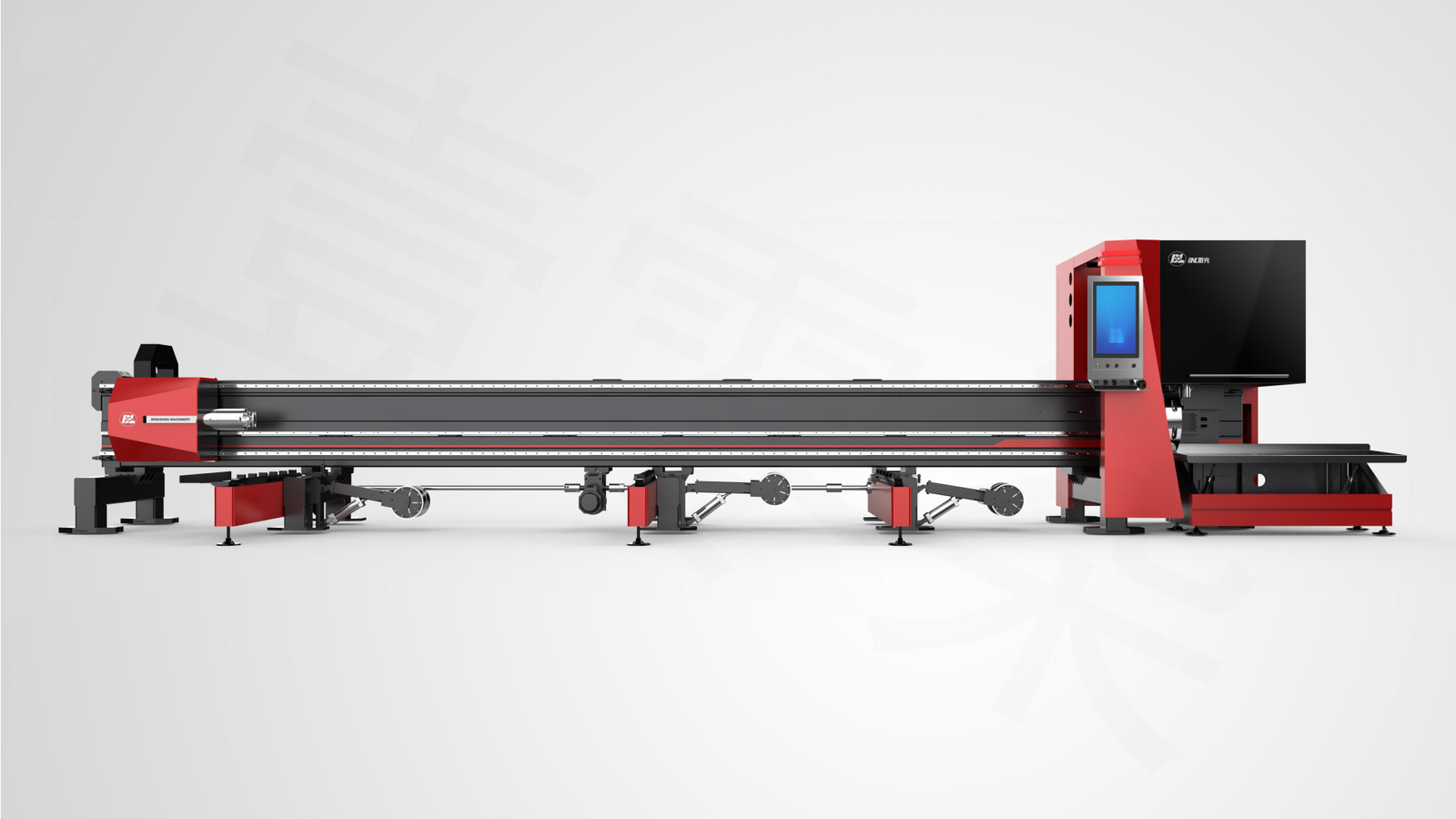
7 Tips to Choose Best Fiber Laser Cutting Machines
Choosing the wrong machine costs you time and money. Production stalls and waste piles up. The right choice boosts your factory's efficiency and profit from day one.
To choose the best fiber laser cutting machine, you must evaluate your specific power needs, material types, and required precision. Prioritize machines with easy-to-use software, low operational costs, and strong after-sales support. This ensures maximum efficiency, minimal waste, and a fast return on investment.
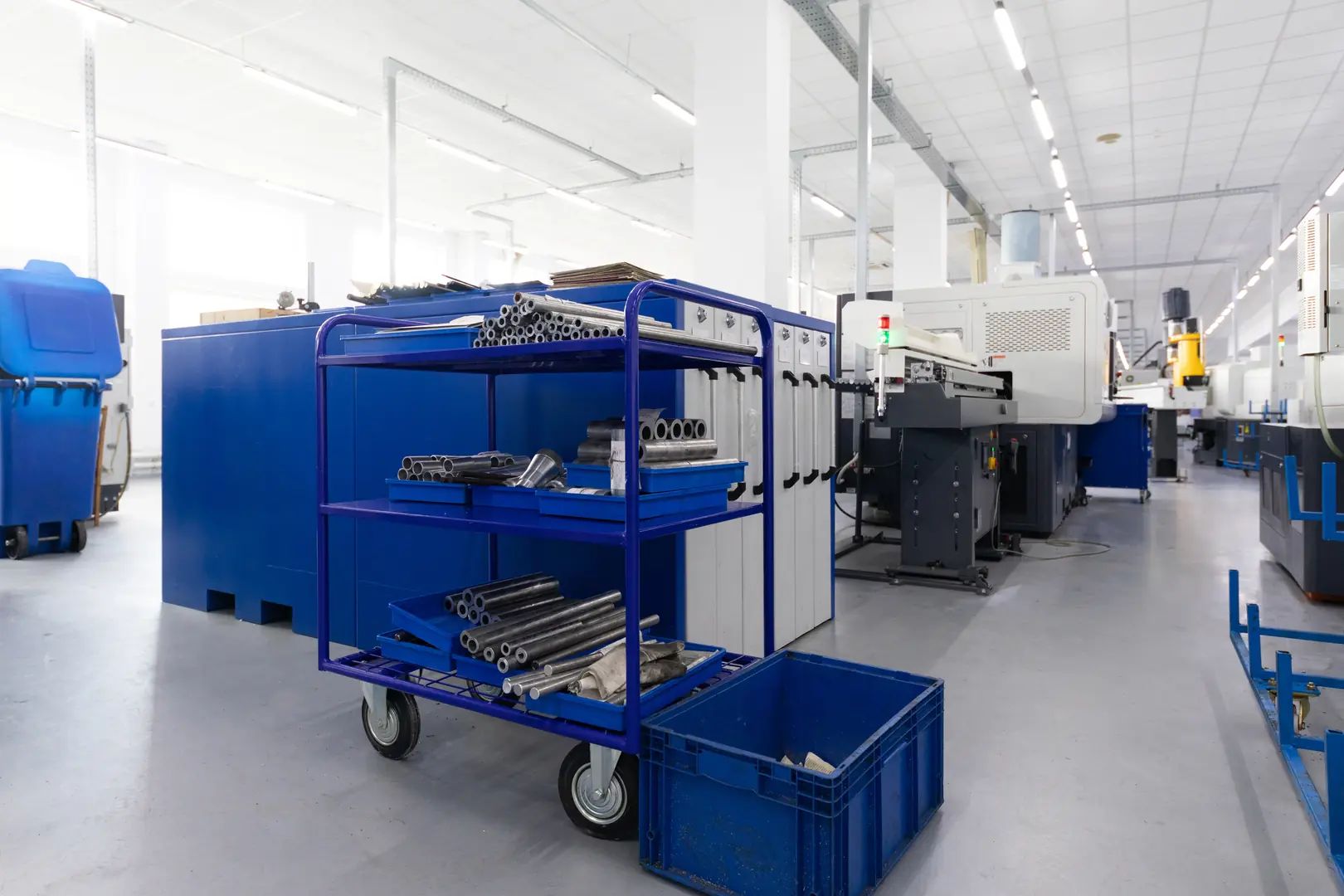
As the General Manager of MZBNL, I've spoken with thousands of plant managers over the last decade. I've seen firsthand how the right equipment can transform a business. Making this decision isn't just about buying a machine; it's about investing in a more profitable future. Let's walk through the seven key factors you need to consider to make the best choice for your company.
What are the basic features of a fiber laser cutting machine?
Confused by technical specs? Choosing based on the wrong features leads to an underperforming investment. Let's focus on the essentials that directly impact your bottom line and daily operations.
Key features include the laser source for power, the cutting head for precision, a robust machine bed for stability, and the control system (CNC). These four core components determine the machine's speed, accuracy, and overall reliability for your manufacturing needs.
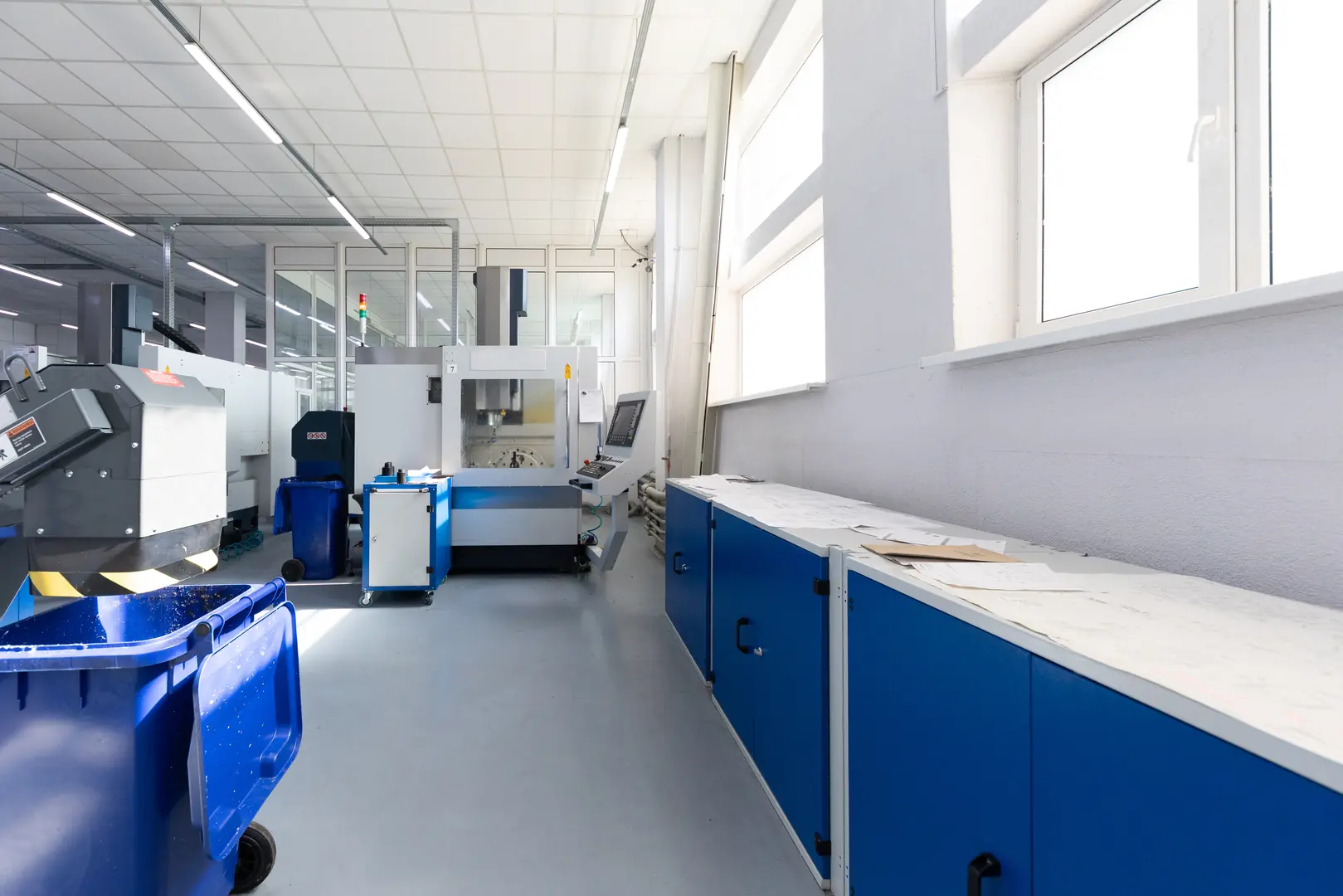
When we design our machines at MZBNL, we think about how each part works together to solve a real-world problem on the factory floor. It's not about having the most features, but the right ones. For you, this means understanding what to look for so you don't overpay for things you don't need or underinvest in what you do.
The Laser Source: The Engine of Your Machine
The laser source, or resonator[^1], is the heart of the cutter. It generates the laser beam. The power of this source, measured in kilowatts (kW)[^2], directly determines what thickness of material you can cut and how fast you can do it. A reliable source from a reputable brand means consistent performance and less downtime.
The Cutting Head: Where Precision Happens
The cutting head focuses the laser beam onto the material. A high-quality head provides autofocus capabilities[^3] and a stable, precise cut. This is critical for industries like automotive parts manufacturing, where every part must be identical. A poor-quality head leads to inconsistent cuts, rework, and wasted material.
The Machine Bed and Gantry: The Foundation of Stability
The frame and gantry system must be heavy and rigid. This foundation prevents vibrations during high-speed cutting, which is essential for maintaining accuracy. A flimsy frame will compromise the precision of even the best laser source and cutting head. At MZBNL, we use reinforced, heat-treated frames to guarantee stability for years of operation.
How do you evaluate the power requirements for your applications?
Is more power always better? Overpaying for unnecessary power eats into your profits. Underpowering your machine creates production bottlenecks. Let's find the sweet spot for your specific work.
Evaluate power by your primary material's type and maximum thickness. Lower power (e.g., 1kW-2kW) is efficient for thin metals used in furniture, while higher power (3kW+) is necessary for cutting thick plates for heavy machinery or structural components.
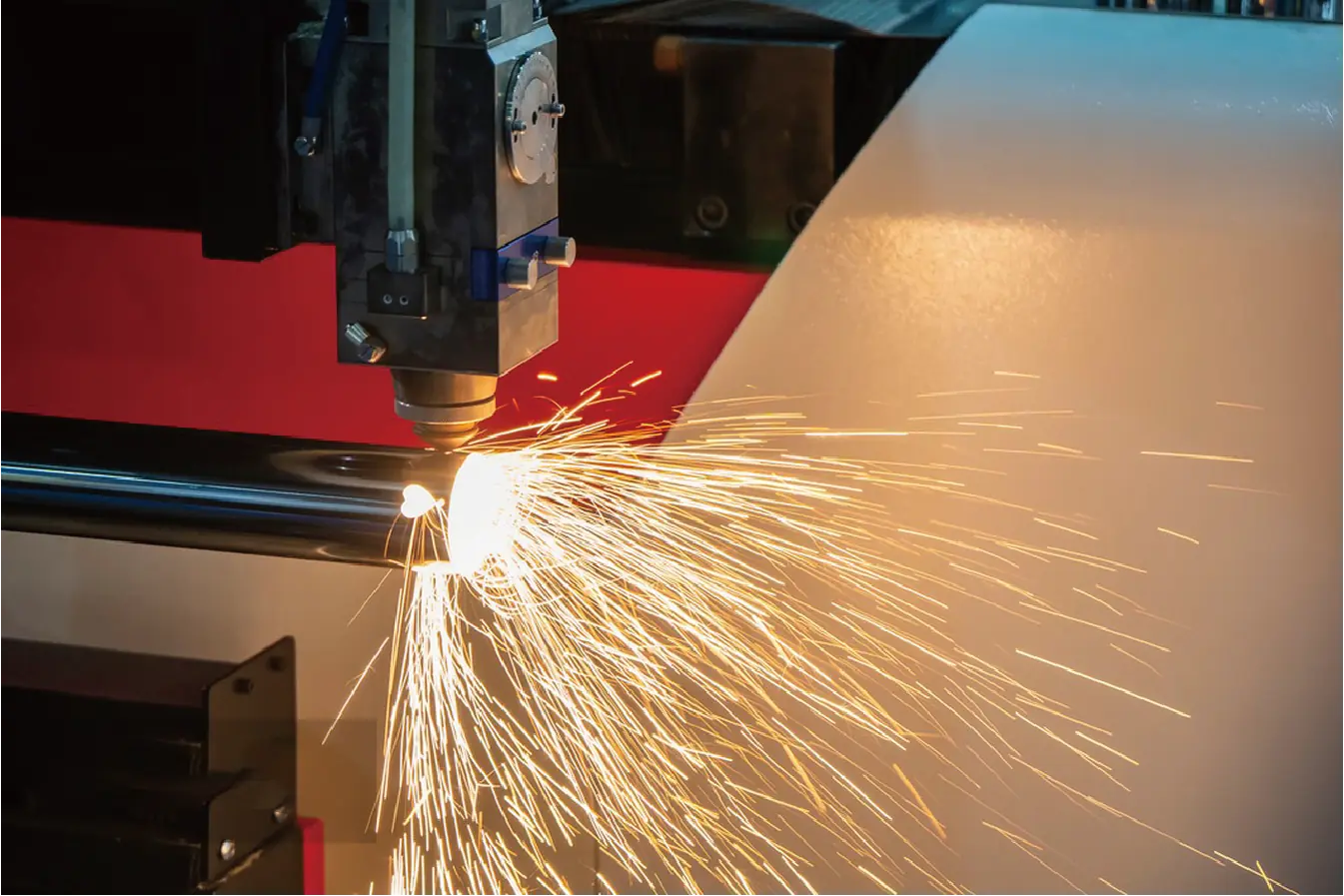
I often meet with business owners who believe they need the highest power available. But the smart decision is a strategic one. You need to analyze the work you do 80% of the time, not the 20% you might do one day. The goal is to find the most cost-effective power level that handles your daily workload with speed and efficiency. A higher-power laser source costs more upfront and consumes more energy. So, matching the power to your application is one of the easiest ways to control costs.
Here's a simple way to think about it:
- 1kW - 1.5kW: Excellent for stainless steel up to 5mm or carbon steel up to 12mm. Perfect for sanitary ware, kitchen equipment, and decorative metalwork.
- 2kW - 3kW: A versatile middle ground. It efficiently cuts thicker materials, like 8mm stainless steel or 18mm carbon steel, making it ideal for general metal fabrication and automotive parts.
- 4kW and Above: This is for heavy-duty applications. If you are consistently cutting metal plates over 20mm thick, you need this level of power to maintain a reasonable cutting speed.
Think about your most common jobs. By choosing the right power, you optimize your cutting speed and keep your energy bills in check, directly improving your profitability on every project.
What materials will you be cutting?
Can your new machine handle every job you throw at it? Limited material compatibility restricts your business growth. You need a versatile machine to accept new, profitable projects without hesitation.
Your machine must be optimized for the metals you cut most, like carbon steel, stainless steel, and aluminum. Also, consider reflective materials like brass or copper, as they may require specific machine configurations to prevent damage and ensure a clean, precise cut.

We serve over 4,000 clients in dozens of industries, from furniture to automotive parts. I've learned that versatility is key to long-term success. A client in the institutional furniture sector might primarily cut steel tubes, but a sudden opportunity to produce aluminum fixtures could arise. Your machine needs to be ready for that. Fiber lasers are excellent for most metals, but their performance varies. Carbon steel is the easiest to cut. Stainless steel requires a clean, smooth edge, which a well-tuned machine can deliver. Aluminum and other reflective materials can be tricky. They can reflect the laser beam back into the cutting head, potentially causing damage. A quality machine will have built-in protections and specific parameter settings to handle these materials safely and effectively. Before you buy, provide your supplier with samples of all the materials you plan to cut. Ask them to perform test cuts so you can see the results for yourself. This simple step ensures the machine you invest in can handle the full scope of your business needs, both today and in the future.
How do you analyze precision and accuracy needs?
Are inaccurate cuts causing rework and waste? Every millimeter of error costs you material and labor. High precision is not a luxury; it's an essential requirement for profitability.
Look for key technical specifications like positioning accuracy (e.g., ±0.03mm) and repeatability. These numbers guarantee that every part is cut identically, which is critical for complex assemblies in industries like automotive and electronics manufacturing. This reduces waste and ensures quality.
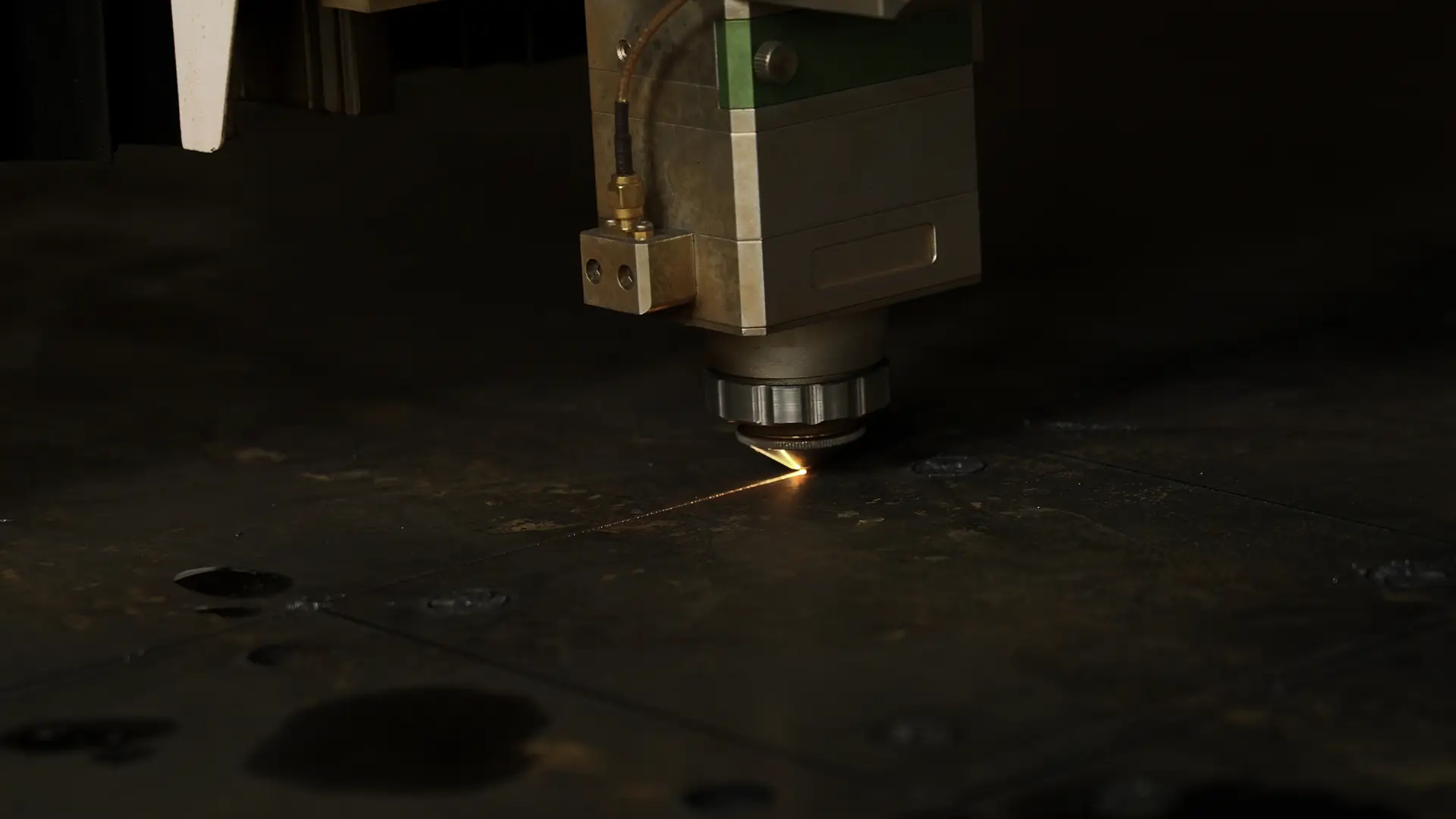
In my experience, the difference between a good factory and a great one often comes down to precision. When your parts fit together perfectly every time, your assembly process is faster, your final product is higher quality, and your customers are happier. This all starts with the accuracy of your cutting machine.
Let's clarify two important terms:
- Accuracy: This is how close the machine cuts to the dimensions specified in your design file. A high accuracy rating means the part you cut is the exact size you intended.
- Repeatability: This is the machine's ability to cut the exact same shape over and over again. If you need to produce 1,000 identical brackets, high repeatability ensures the first part is a perfect match for the last one.
For most applications, a positioning accuracy of ±0.03mm to ±0.05mm is excellent. This level of precision is achieved through a combination of a rigid machine frame, high-quality servo motors[^4], and a precise ball screw or rack and pinion drive system. When you're evaluating a machine, don't just look at the sales brochure. Ask for a demonstration where the same part is cut multiple times, and measure them yourself. This practical test will give you the confidence that the machine can deliver the quality your customers demand.
How do you check maintenance and operational costs?
Is the initial price the only cost you're considering? Hidden operational and maintenance expenses can turn a good deal into a long-term financial drain. You must look at the total cost of ownership[^5].
Analyze the total cost of ownership, not just the purchase price. This includes consumables like nozzles and protective lenses, average power consumption, and routine maintenance. A machine with high energy efficiency and durable components will have a lower long-term operational cost.
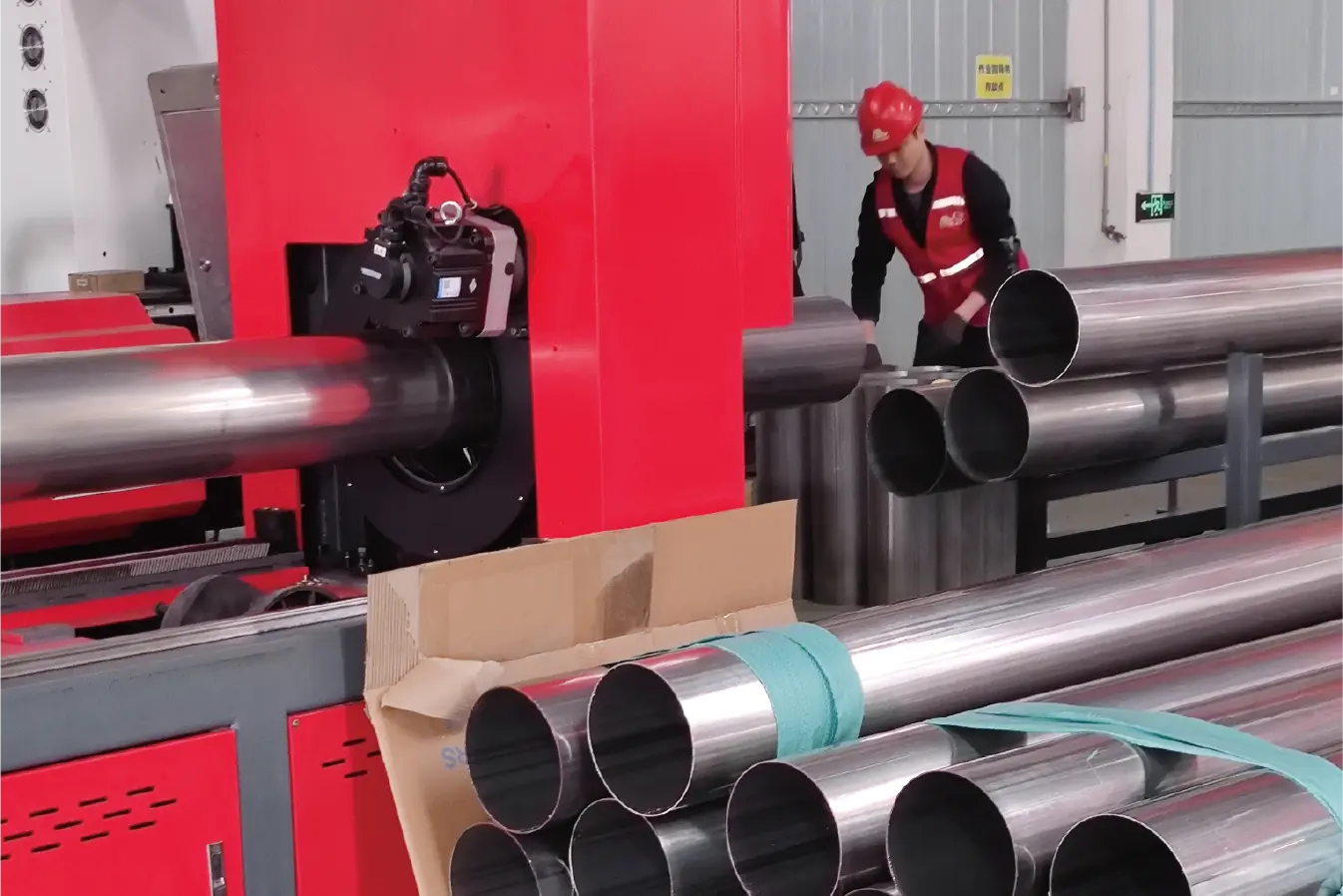
The sticker price is only the beginning of the story. The true cost of a machine reveals itself over years of operation on your factory floor. At MZBNL, we design our systems to minimize these ongoing costs because we know that's how our clients maximize their return on investment.
Here are the primary operational costs to investigate:
- Consumables: Nozzles and protective lenses need to be replaced periodically. Ask the supplier about the expected lifespan and cost of these parts. High-quality components last longer, reducing your annual spend.
- Power Consumption: The laser source is a major consumer of electricity. Compare the electrical efficiency ratings of different models. A more efficient machine can save you thousands of dollars in energy bills over its lifetime.
- Assist Gas: Gases like nitrogen or oxygen are used to assist the cutting process. Our machines are optimized to use these gases efficiently, reducing consumption without sacrificing cut quality.
- Material Waste: This is a huge hidden cost. Look for features that improve material utilization. For example, our machines offer a zero-waste tail technology for tube cutting, ensuring almost the entire length of the material is used. This alone can dramatically improve the profitability of each job.
By asking about these factors, you can build a more accurate picture of the machine's true cost and make a smarter financial decision.
Why should you assess the software and ease of use?
Are complex systems and steep learning curves slowing down your team? Long training periods mean lost production time. Your operators need intuitive software to become productive almost immediately.
The best machine has simple, yet powerful, software. A system that doesn't require complex CAD skills allows any operator to be trained quickly. This drastically reduces downtime between jobs and makes your entire production floor more flexible and efficient.
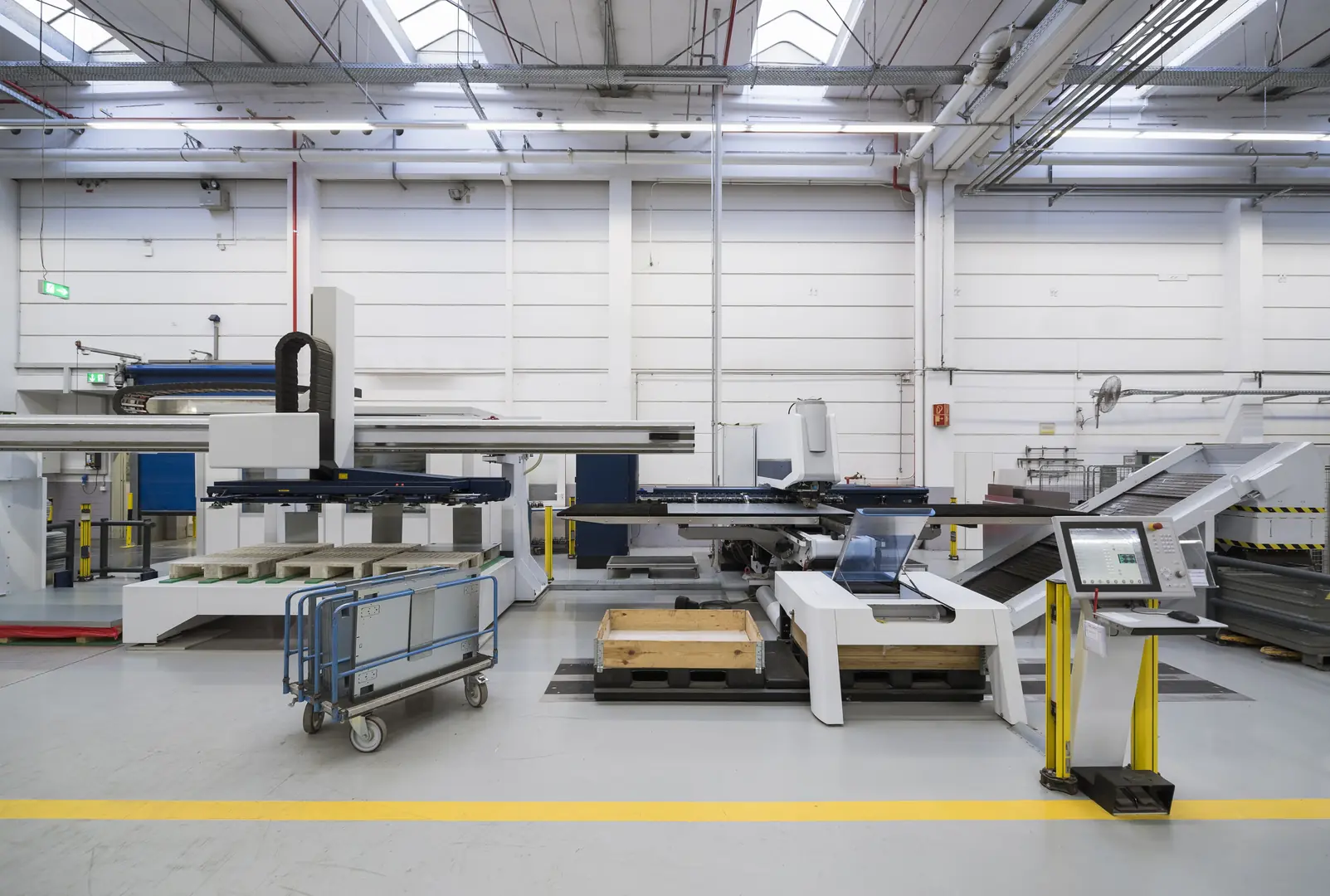
One of the biggest challenges our clients face is finding and retaining highly skilled labor. In the past, operating a CNC machine required weeks of training, often involving complex CAD/CAM software. This created a bottleneck in production. We saw this problem and decided to solve it. This is why we developed our No-CAD system[^6]. Instead of needing a trained engineer to draw parts, our software allows an operator to simply input parameters like length, hole diameter, and angle directly into the machine's control panel. What used to take hours of programming now takes minutes. The result? We can train a new operator to be fully proficient in a single day. This is a game-changer. It means your existing team can become more versatile, you can hire from a wider pool of talent, and your machine spends more time cutting and less time waiting for instructions. When you evaluate a new machine, pay close attention to the software interface. Is it logical? Is it easy to navigate? A machine that is easy to use is a machine that will make you more money.
What should you look for in after-sales support and service?
What happens when your machine inevitably goes down? Every hour of downtime is lost revenue. A supplier who disappears after the sale is a huge business risk for your company.
Choose a partner, not just a supplier. Look for a company with a proven track record of responsive after-sales support, readily available spare parts, and expert technicians. Reliable service ensures maximum uptime and protects your investment for years to come.

A fiber laser cutter is a complex piece of equipment. Even the most reliable machines will require maintenance and service. When that time comes, the quality of your supplier's support team becomes the most important factor. At MZBNL, we see the sale as the beginning of a long-term partnership. With over 30 patents and a decade of experience, we have built a service infrastructure designed to keep our clients running. We know that if your machine is down, you are losing money. That's why we have a global network of technicians ready to provide assistance. Before you make a final decision, ask some hard questions. What is the warranty period? Where are their service technicians located? How quickly can they get spare parts to you? Talk to their existing customers and ask about their experience with the service team. A strong, reliable support system is like an insurance policy for your production line. It provides the peace of mind you need to focus on growing your business.
Conclusion
Choosing the right fiber laser cutter is a major strategic decision. By focusing on power, precision, material compatibility, and total cost, you can secure a machine that boosts efficiency. Prioritizing simple software and reliable support will guarantee a strong return on your investment and future-proof your operations.
Have Questions or Need More Information?
Get in touch with us for personalized assistance and expert advice.



 English
  Русский
  Türkçe