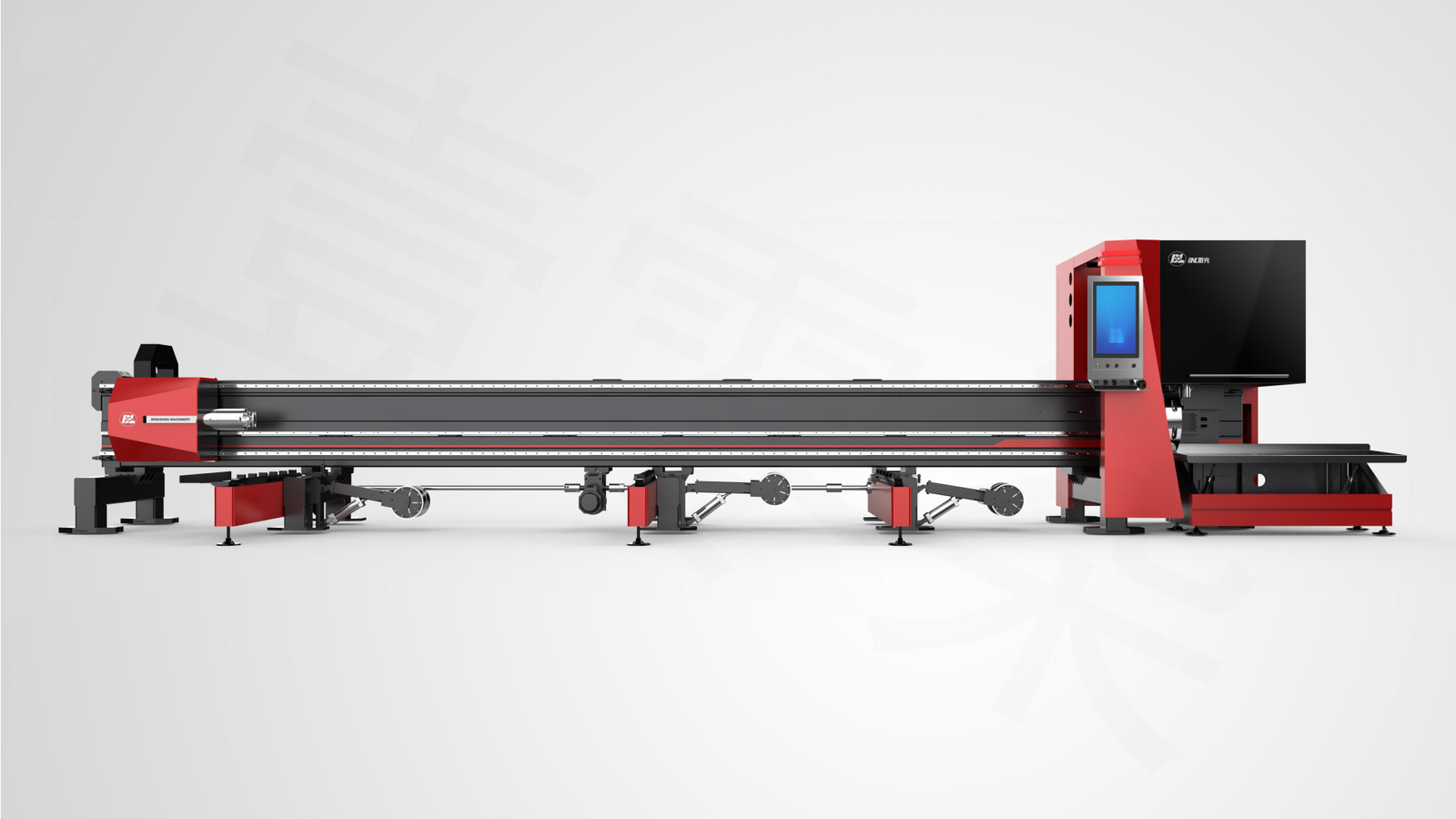
4 типа лазерных резаков, которые необходимо знать (а также их плюсы и минусы)
Choosing a new laser cutter is a major decision. A wrong choice wastes money and slows down production. Understanding the four main types is the first step to a smart investment.
The four main types of laser cutters are CO2, Fiber, Nd:YAG, and Diode. CO2 lasers excel with non-metals like wood. Fiber lasers are best for cutting metals efficiently. Nd:YAG lasers handle thick materials, while Diode lasers are compact and energy-efficient for engraving.
I have been in this industry for over a decade. I have seen how the right technology transforms a business. As the General Manager of MZBNL, I have helped over 4,000 clients make this exact choice. So, let's break down these options. This will help you make the best decision for your factory.
What are the four main types of laser cutters available in the market?
The market is full of technical jargon. It is hard to know where to start. This confusion can lead to a purchase that does not fit your operational needs.
The four primary types of laser cutters are CO2, Fiber, Nd:YAG (Neodymium-doped Yttrium Aluminum Garnet), and Diode lasers. Each uses a different method to generate a laser beam. This makes them suitable for very different materials and industrial applications, from furniture to automotive parts.

To dive deeper, we must see these technologies not just as machines, but as solutions to specific problems. Your choice will shape your competitive strategy and market position. At my company, we focus on making complex technology simple. So, let's simplify this choice.
- CO2-лазеры: These are the versatile workhorses. They are excellent for cutting, engraving, and marking a wide range of non-metallic materials. Think wood for furniture, acrylic for signage, or leather for upholstery.
- Волоконные лазеры: These are the metal specialists. They are the go-to choice for processing steel, aluminum, brass, and copper with incredible speed and precision. This is the technology we have perfected at MZBNL for industries like automotive parts manufacturing.
- Nd:YAG Lasers: These are the powerhouses. They can cut and weld very thick materials and have high peak power. They are often used in manufacturing where deep engraving or high power is essential, but they require more maintenance.
- Diode Lasers: These are the efficient newcomers. They are smaller, have a longer lifespan, and are very energy-efficient. But, they are generally less powerful and are more common for engraving and small-scale cutting, not heavy industrial applications.
Understanding these core functions is the foundation for a smart investment.
How does each type of laser cutter function, and what are their unique features?
Technical specifications can be confusing. You need to know how they work to understand their value. Without this knowledge, you might overpay for features you do not need.
Each laser functions differently. CO2 lasers use a gas mixture stimulated by electricity. Fiber lasers use diodes to excite an optical fiber. Nd:YAG lasers use a crystal as the lasing medium. And Diode lasers pass electricity directly through a semiconductor to create light.
Let's dive deeper into how this science translates into real-world performance for your business. I remember a client in the sanitary ware industry who was struggling with his old machine. Understanding the core function helped him choose a new machine that tripled his output.
CO2 Lasers: The Versatile Workhorse
A CO2 laser passes electricity through a tube filled with a gas mixture (mostly carbon dioxide). This excites the gas particles, which then produce powerful light. This light is guided by mirrors to the cutting head. Its key feature is its wavelength, which is easily absorbed by organic materials. This makes it perfect for wood, paper, plastic, and fabric. But, this same wavelength is poorly absorbed by reflective metals.
Fiber Lasers: The Metal Specialist
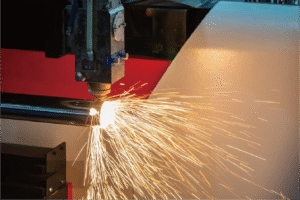
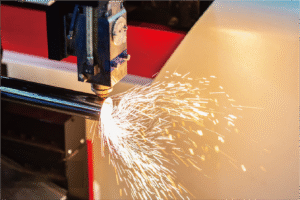
A fiber laser starts with a "seed laser" beam. This beam is amplified as it passes through special optical fibers. These fibers are doped with rare-earth elements. The process is entirely solid-state, meaning there are no moving parts or mirrors in the laser source. This makes them extremely reliable, efficient, and maintenance-free. Their unique feature is a very small focal point, which creates an intensely powerful beam perfect for cutting metal with sharp, clean edges.
Nd:YAG Lasers: The Powerhouse
These lasers use a solid crystal, like neodymium-doped yttrium aluminum garnet, as their lasing medium. The crystal is stimulated by a lamp or diode to produce the laser beam. They can deliver very high power in short pulses. This makes them great for welding and cutting thick steel. However, the lamps need frequent replacement, leading to higher maintenance costs.
Diode Lasers: The Efficient Newcomer
A diode laser is a semiconductor device, similar to an LED. When electricity passes through it, it emits light directly. Multiple diodes can be combined to create a more powerful beam. Their main feature is their incredible energy efficiency and long lifespan. But, achieving the power needed for industrial metal cutting is still a challenge for this technology.
What are the advantages and disadvantages of CO2 laser cutters?
CO2 lasers are very common. But are they right for your metal fabrication shop? Guessing can lead to poor cutting performance on key materials and lost contracts.
The main advantage of CO2 lasers is their versatility with non-metallic materials like wood and acrylic. Their primary disadvantage is their inefficiency and difficulty in cutting reflective metals like copper and brass, which absorb their wavelength poorly and can damage the machine.
To dive deeper, let's look at a clear breakdown. Many of my clients in the furniture and architectural decoration sectors started with CO2 lasers. They are fantastic for that work. But as soon as they wanted to expand into metal parts, they ran into problems. The machine that was once their greatest asset became a bottleneck. Because a CO2 laser's beam is often reflected by metals like brass or aluminum, the cutting process is slow, messy, and wastes a huge amount of energy as heat. It can even cause dangerous back-reflections that damage the machine's optics. This is a critical trade-off to understand.
| Преимущества | Недостатки |
|---|---|
| Excellent cut quality on organic materials | Very inefficient when cutting metals |
| Lower initial purchase price than fiber | Higher operating costs (power, gas) |
| Mature and reliable technology | Mirrors require regular cleaning and alignment |
| Versatile for both cutting and engraving | Slower cutting speeds on most materials |
| Can cut thick materials like acrylic | Consumable parts like gas and optics |
This table shows why the choice is so dependent on your primary material.
How do fiber laser cutters compare in terms of efficiency and cost?
Fiber lasers have a high price tag. Does the performance justify the initial investment? Hesitation could mean missing out on massive long-term savings and a competitive edge.
Fiber lasers are significantly more energy-efficient and faster for cutting metals than CO2 lasers. While their upfront cost is higher, they offer a lower total cost of ownership due to reduced maintenance, no consumables, and higher productivity, delivering a strong ROI.
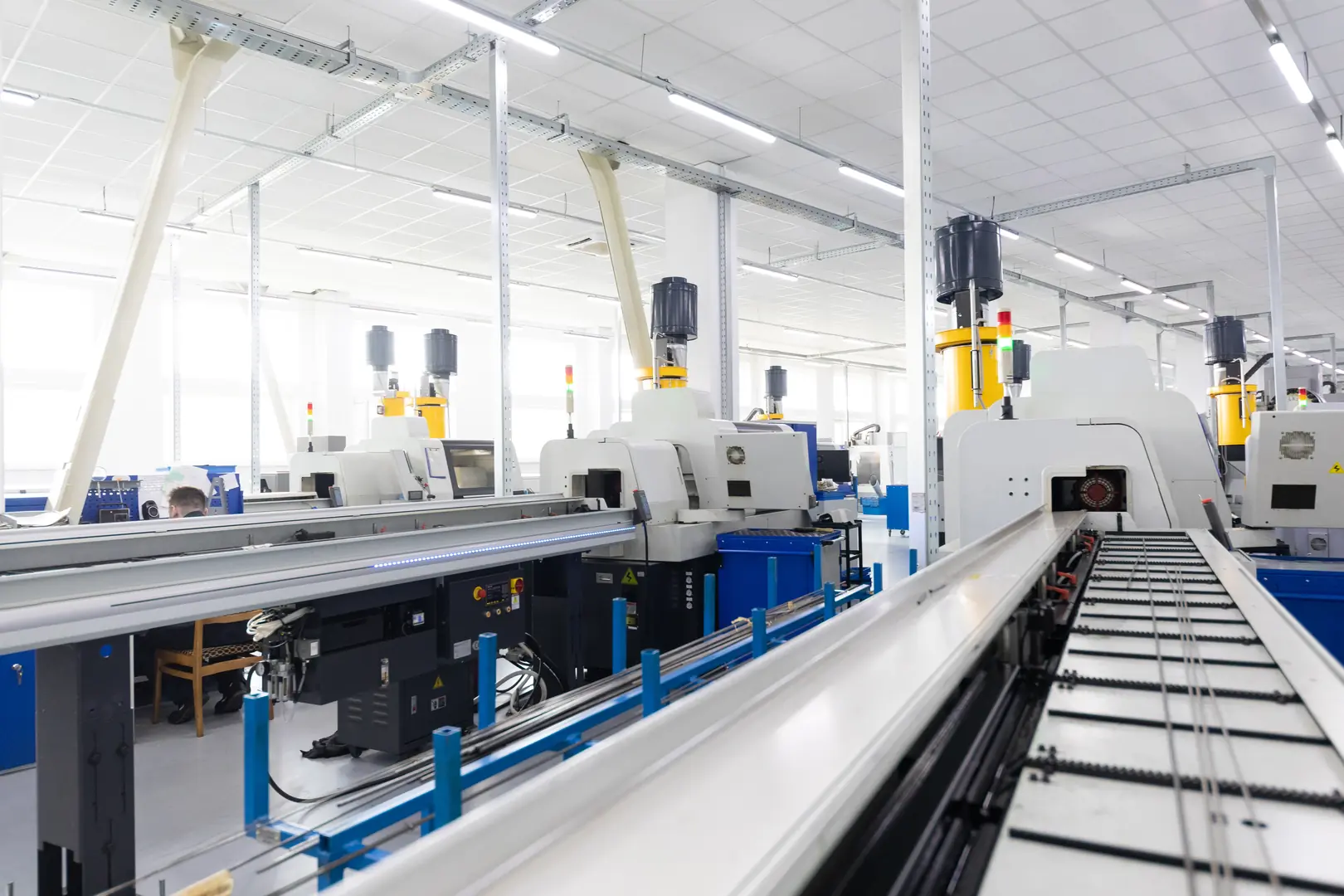
Let's dive deeper into what this means for your bottom line. I always tell my clients to look beyond the initial price tag. Think about the total cost over five years. A fiber laser can be two to three times more energy-efficient than a CO2 laser. It has no mirrors to align and no laser gas to replace. This means less downtime and lower operating expenses every single day.
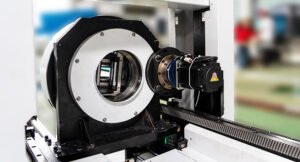
I remember a client in the automotive parts business who was running three older CO2 machines. He was hesitant about the cost of one of our fiber лазерный труборезs. But, we did the math together. We calculated his energy savings, his reduction in maintenance costs, and his increase in production speed. The new MZBNL fiber laser could do the work of all three of his old machines, using less power than one of them. He made the investment. Six months later, he told me it was the best decision he ever made for his company. That is the power of choosing technology based on efficiency and long-term value, which is crucial for sustainable manufacturing.
What recommendations can be made for choosing the right laser cutter for specific applications?
You have all the information. But how do you make the final decision for your specific factory? The pressure to make the right call for your business is immense.
For non-metals and mixed materials, a CO2 laser is often best. For high-volume metal cutting, especially in automotive or parts manufacturing, a Fiber laser is the superior choice. Always match the technology to your primary material, production volume, and long-term business goals.
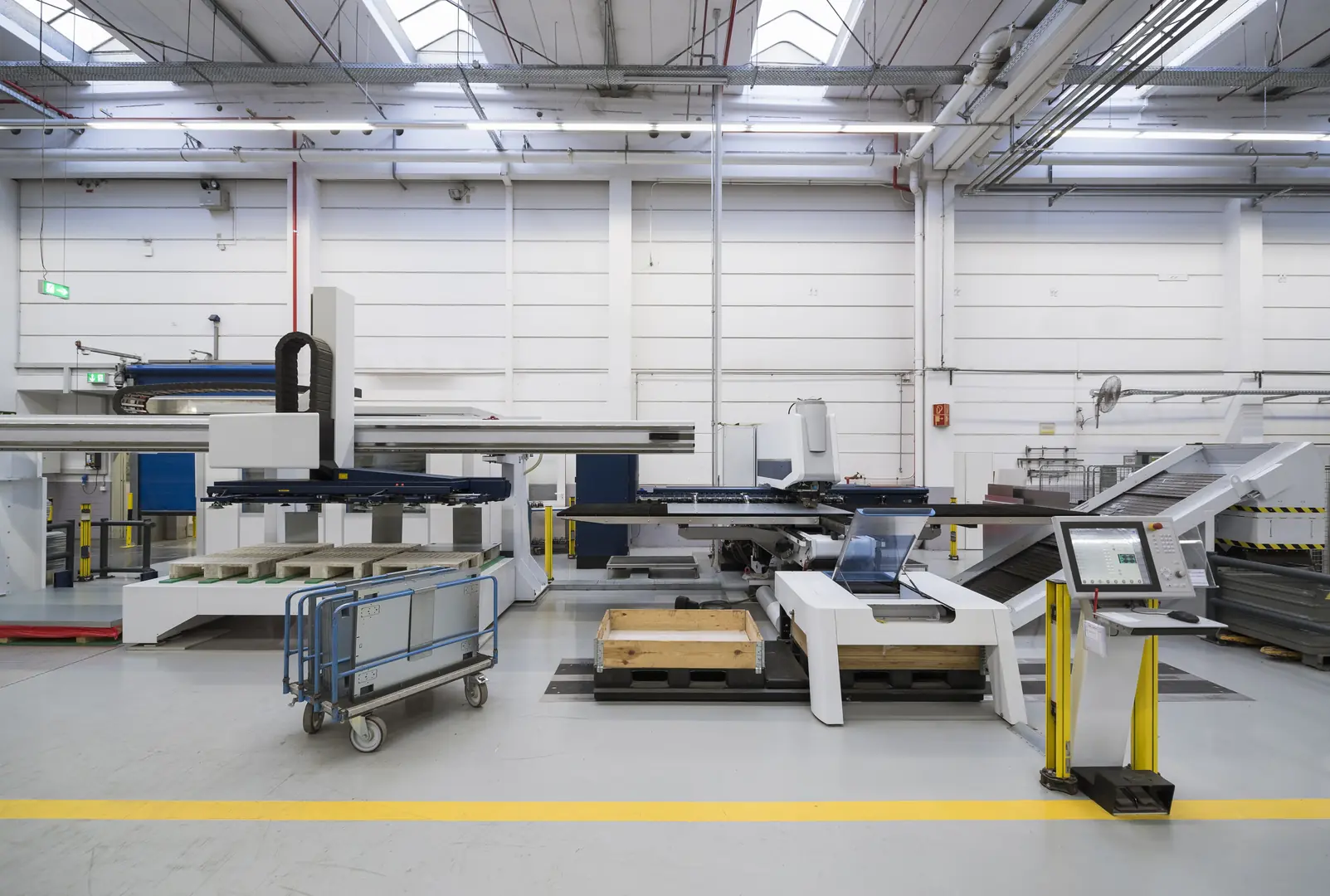
To dive deeper, let's make this very practical. The right choice aligns the machine's strengths with your daily work. It is a strategic decision that impacts everything from labor costs to material waste.
Here are my direct recommendations for the industries we serve:
- Metal Tube Processing & Automotive Parts: Your choice is clear: a Fiber laser. You need speed, precision, and efficiency on metals. Our machines at MZBNL are built for this. We even designed a Безотходный материал хвостовой части[^1] feature that saves our clients thousands on material costs each year.
- Furniture & Sanitary Ware Manufacturing: This depends on your materials. If you work primarily with wood, MDF, and acrylic, a CO2 laser is a cost-effective choice. If you are processing metal tubes for frames or fixtures, a fiber laser will give you a significant competitive edge.
- Educational & Institutional Equipment: Your needs are often diverse. You might be cutting metal for desk frames one day and acrylic for displays the next. A CO2 laser often provides the best versatility for a wide range of materials in this sector.
And remember, the machine itself is only part of the solution. At MZBNL, we focus on making the technology accessible. Our Система No-CAD[^2] allows operators to start production with just one day of training, not weeks. This drastically reduces labor costs and makes your operation more agile.
Заключение
The choice between CO2, Fiber, Nd:YAG, and Diode lasers is critical. It impacts your efficiency, cost, and material capability. Making an informed decision based on your specific application is the key to unlocking productivity and securing a competitive advantage in your market.
У вас есть вопросы или нужна дополнительная информация?
Свяжитесь с нами, чтобы получить индивидуальную помощь и квалифицированный совет.



 Русский
  English
  Türkçe