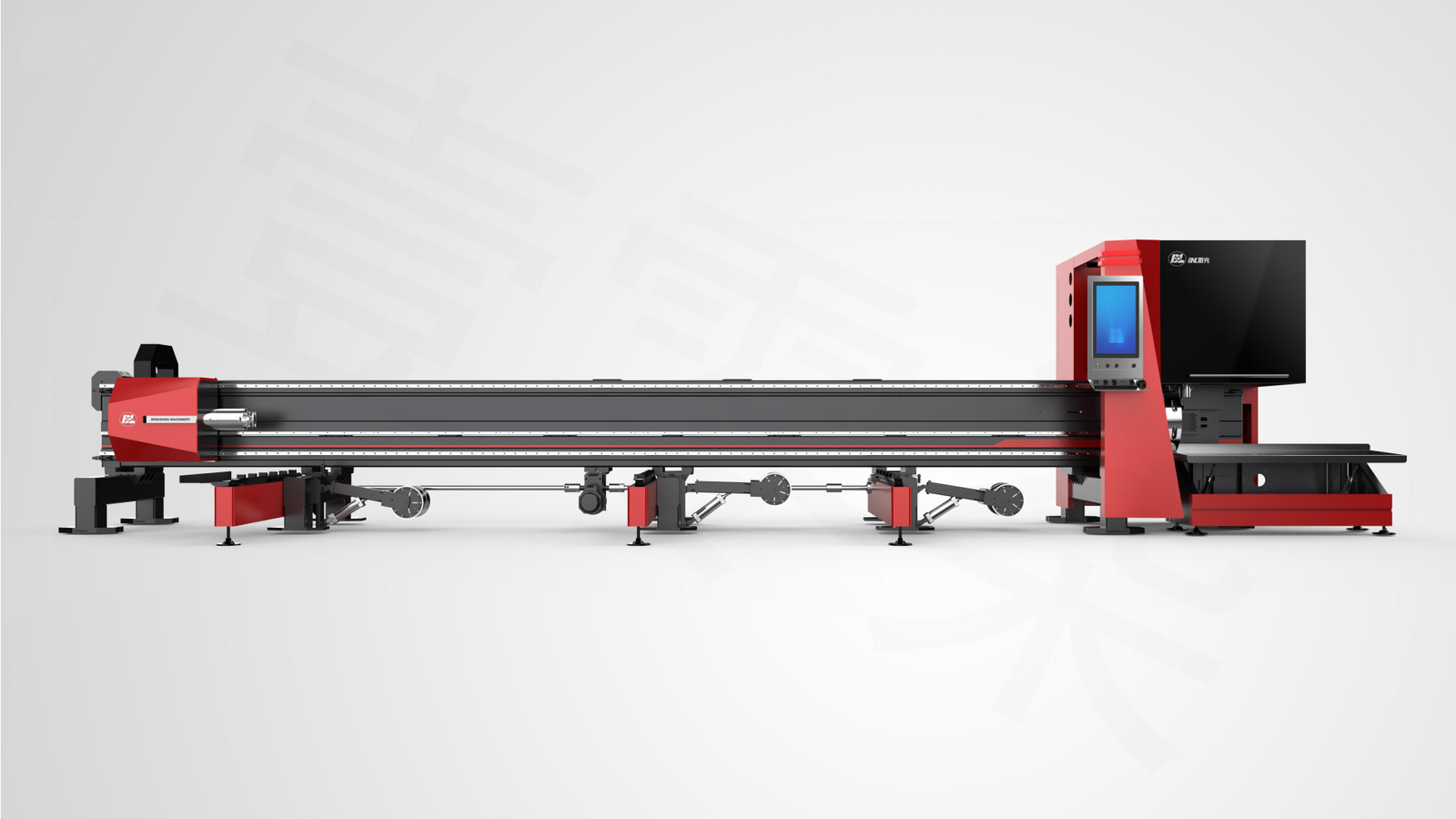
Станки для лазерной резки труб
Struggling with slow production and high material waste? Your traditional tube processing methods are costing you time and money, making it hard to compete in a fast-paced market.
A tube laser cutting machine is an automated system that uses a focused laser beam to precisely cut, drill, and shape metal tubes. It boosts efficiency, reduces material waste, and minimizes reliance on highly skilled operators.
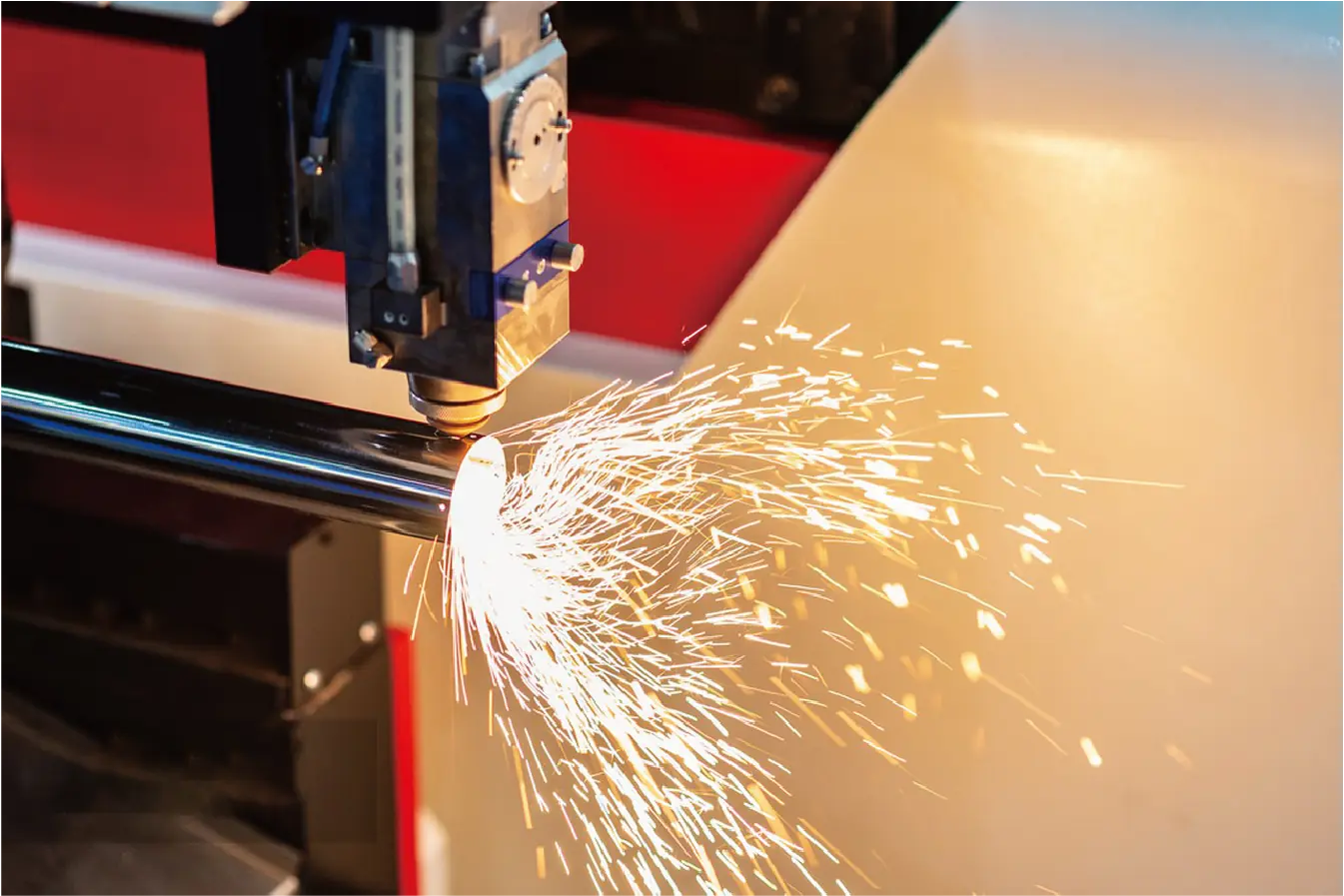
As the General Manager of MZBNL, I've seen firsthand how this technology transforms workshops. It's not just about cutting metal; it's about building a more efficient and profitable business. Let's explore how this technology has evolved and what it means for your operations today.
What is the background of tube laser cutting technology?
Are old cutting methods causing production bottlenecks? The slow, multi-step process of manual cutting, drilling, and deburring limits your output and increases labor costs, hurting your bottom line.
Tube laser cutting technology emerged as a high-precision, automated alternative to traditional methods. It consolidated multiple processes like sawing, drilling, and punching into a single, efficient operation, revolutionizing metal fabrication.
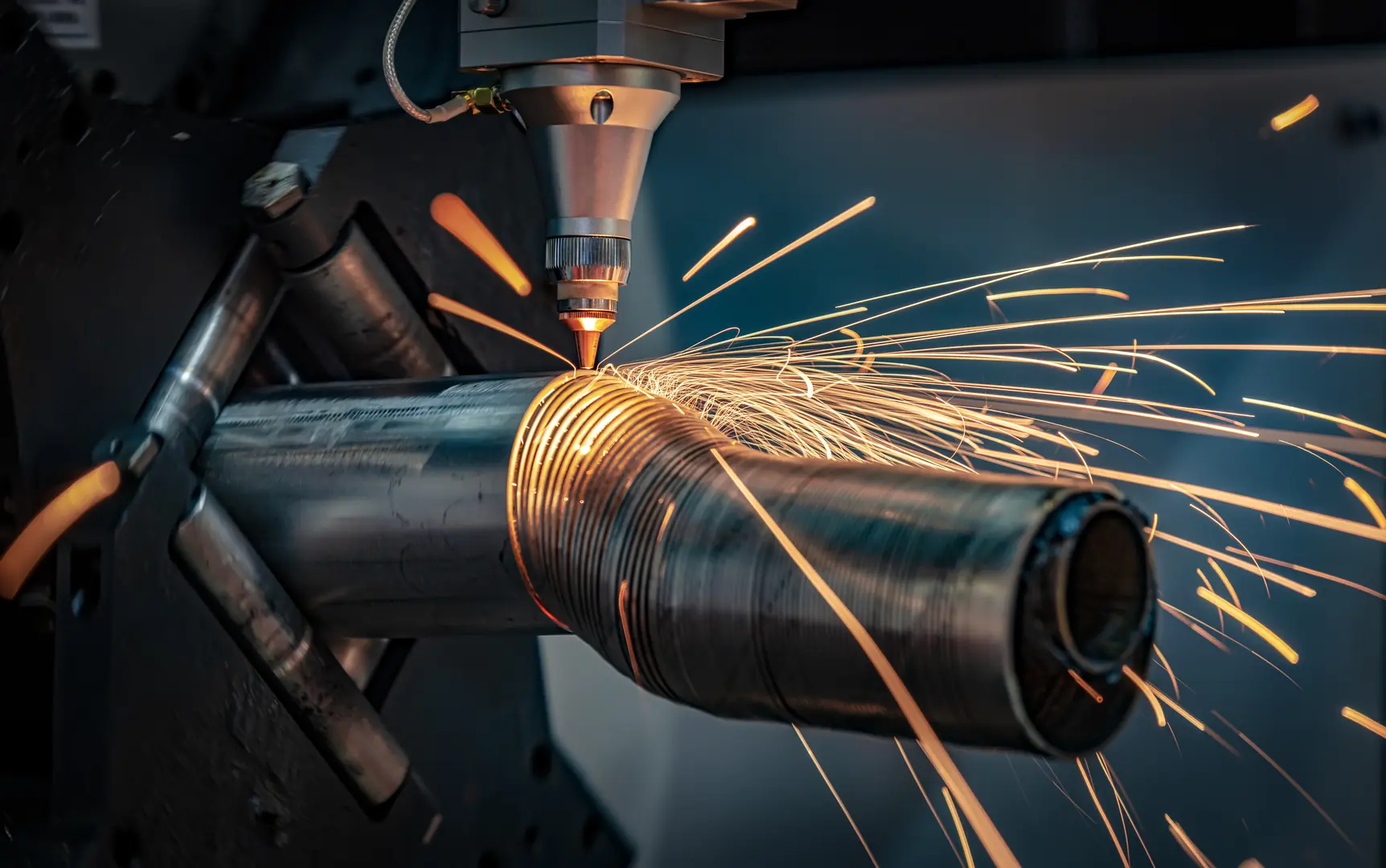
Let's dive deeper. I remember the days when processing a single metal tube required several separate machines and operators. First, you had a sawing machine for the initial cut. Then, the tube moved to a drilling station for holes. After that, it might go to a punching machine for specific shapes. Each step introduced the potential for error and required a skilled person to manage it. This entire workflow was slow and inefficient. The arrival of laser technology changed everything. Early laser cutters were revolutionary but complex. They offered incredible precision but required highly trained engineers to operate. Over the past decade, the technology has become more accessible and powerful. At MZBNL, we've focused on this evolution. Our goal has always been to take this powerful technology and make it simple enough for anyone to use. We believe that advanced machinery should empower your workforce, not create a new barrier to entry. This shift from complex, multi-stage processing to a single, automated solution is the true story of tube laser cutting.
What are the current advancements in tube laser cutting machines?
Is your current equipment failing to keep up with demand? Relying on outdated technology means lower throughput, higher labor dependency, and significant material waste, putting you at a competitive disadvantage.
Current advancements focus on automation and ease of use. Key innovations include No-CAD operating systems that eliminate complex programming, front-feeding mechanisms that reduce labor, and zero-waste technology that maximizes material utilization.

Let's dive deeper. At MZBNL, we've been at the forefront of these advancements because we listen to our clients. They told us their biggest challenges were finding skilled operators and managing material costs. So, we developed solutions to address these pains directly.
The No-CAD System
Our biggest innovation is the No-CAD System. Traditionally, operating a laser cutter required an engineer to create complex CAD drawings. This created a huge bottleneck. Our system allows operators to input parameters directly on the machine's interface. What used to take weeks of training now takes a single day. This makes it easy to hire and train staff, streamlining your entire operation.
Front-Feeding and Automation
Another key advancement is our front-feeding mechanism. Manually loading long, heavy tubes is physically demanding and slow. Our automated system handles this, reducing labor intensity and dramatically boosting throughput. It allows one operator to manage multiple machines, freeing up your team for other valuable tasks.
Zero-Waste Technology
Material cost is a major concern for every manufacturer. That's why we engineered our Zero-Waste technology. Traditional cutters often leave a significant piece of unusable material at the end of each tube, known as tail waste[^1]. Our system is designed to use virtually the entire tube, reducing waste to almost zero. This translates directly to sustainable cost reductions and improved profitability.
What challenges do manufacturers face with tube laser cutting?
Are you worried about the high cost of skilled labor and wasted materials? These operational inefficiencies directly impact your profit margins and make it difficult to scale your business effectively.
Manufacturers face three main challenges: a shortage of skilled operators to program complex machines, high material costs from inefficient tail waste, and production bottlenecks caused by slow, manual loading and setup processes.
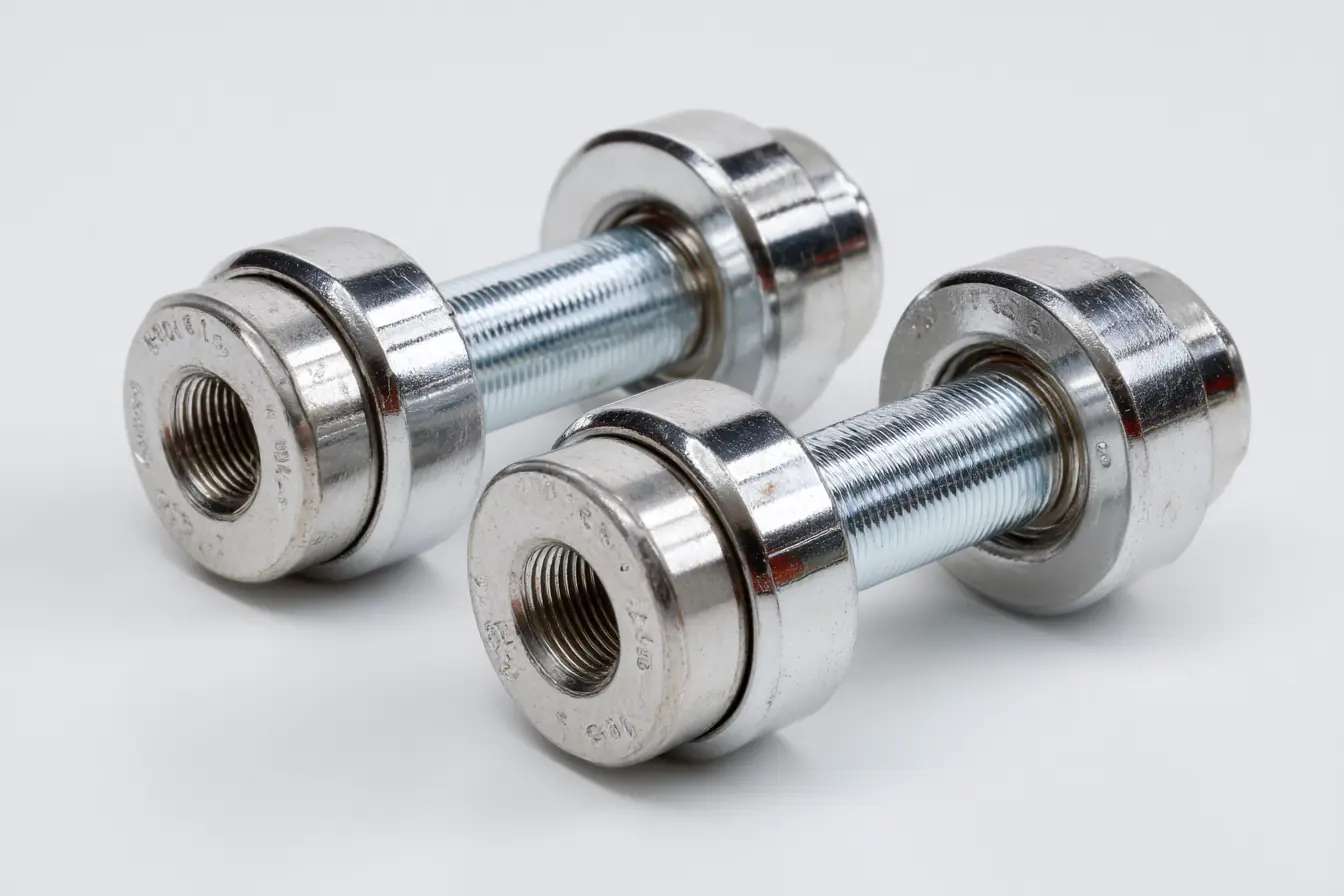
Let's dive deeper. I speak with plant managers every week, and their stories are often the same. The first and most pressing issue is the skills gap. They struggle to find technicians who can handle complex CAD/CAM software. This means their expensive machines often sit idle or run below capacity. It's a huge waste of investment. The second major challenge is material waste. In a competitive market, every millimeter of raw material counts. When a machine leaves 100mm or more of tail waste on every single tube, the costs add up incredibly fast over a year. This is pure profit being thrown into the scrap bin. Finally, operational efficiency is a constant battle. Even with a fast laser, the overall process can be slow if loading, setup, and programming take too long. A machine is only making you money when it's cutting. Any time spent on complex setup or manual labor is time lost. These are not just minor inconveniences; they are fundamental barriers to growth and profitability.
What strategies can overcome limitations in tube laser cutting?
Feeling stuck with inefficient processes? If you don't find a way to simplify operations and cut waste, your business will struggle to remain competitive and profitable in the long run.
The most effective strategy is to adopt technology focused on simplicity and efficiency. This includes implementing machines with intuitive, No-CAD interfaces, automated loading systems, and zero-waste cutting capabilities to directly solve operational pains.
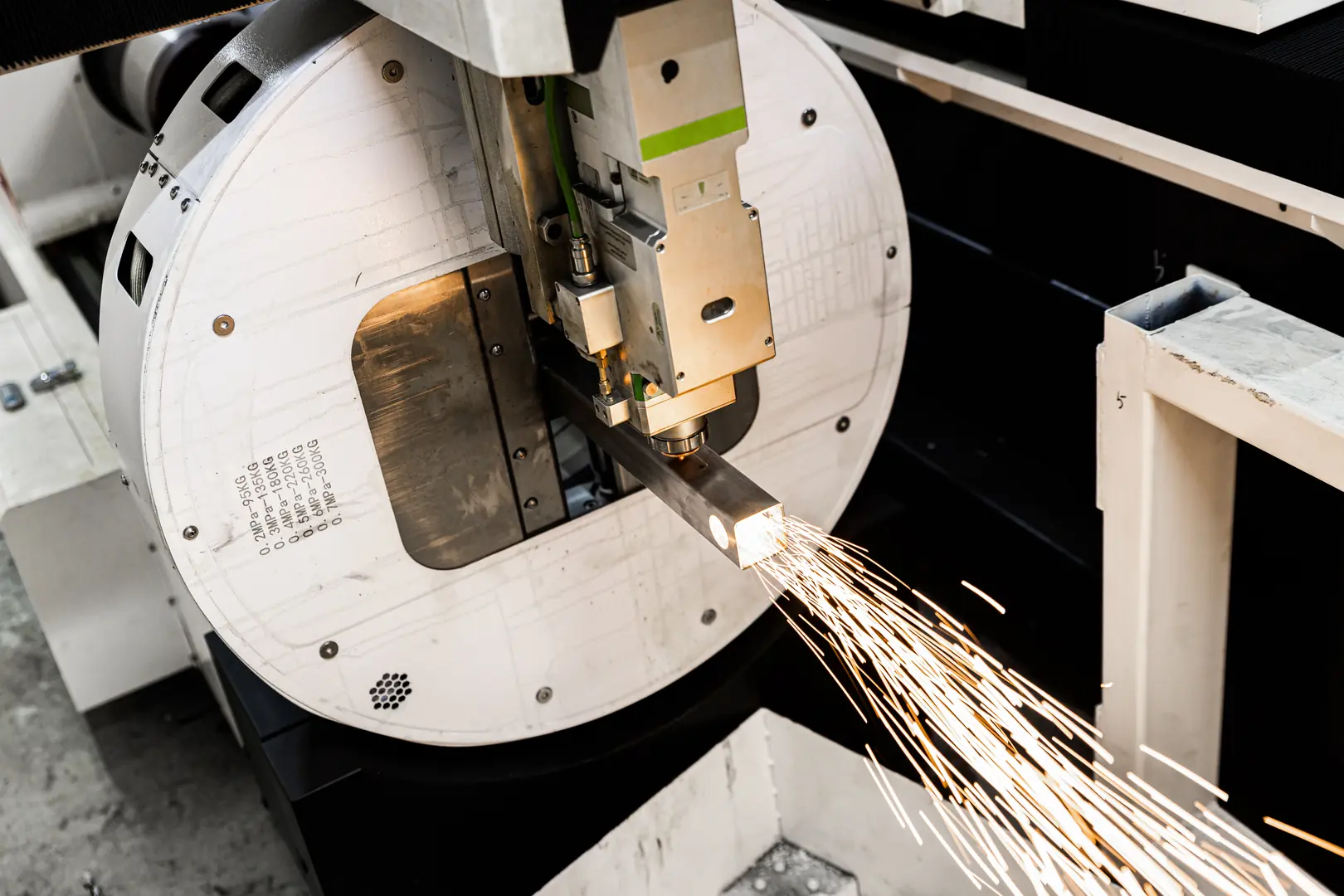
Let's dive deeper. The solution isn't to work harder; it's to work smarter with the right technology. I remember a client in the furniture manufacturing industry who was facing these exact problems. Their team was skilled at fabrication but not at complex software. Production was slow, and their material costs were spiraling out of control due to tail waste. They invested in one of our MZBNL machines with the No-CAD System and Zero-Waste technology. The transformation was immediate. Their existing operators were trained and running production within a day, completely eliminating the software bottleneck. The automated front-feeding system increased their throughput by over 30% because the machine was always ready for the next job. Most importantly, our Zero-Waste feature drastically cut their raw material expenses. The client told me that the material savings alone paid for the machine much faster than they ever expected. This is the strategy: don't just buy a machine, invest in a solution that directly targets your biggest operational headaches. Focus on technology that empowers your current workforce and optimizes your resource use.
What are the technical recommendations for selecting a tube laser cutting machine?
Are you unsure what to look for when buying a new machine? Choosing the wrong equipment can lead to years of inefficiency, high operating costs, and buyer's remorse, hindering your company's growth.
When selecting a machine, prioritize an intuitive operating system that minimizes training, a robust automated loading/unloading system for high throughput, and proven technology that guarantees minimal material waste (under 50mm tailing).

Let's dive deeper. As an engineer and manager, I believe in making decisions based on clear, practical criteria. When you evaluate a new tube laser cutter, don't get lost in technical jargon. Focus on the features that deliver real-world ROI. Here is a simple checklist I recommend to all potential buyers:
| Feature to Evaluate | Why It Matters | What to Look For |
|---|---|---|
| Operating System | Reduces training time and dependency on skilled engineers. | An intuitive, non-CAD-based interface. Ask for a live demo and see if your operator can learn it quickly. |
| Уровень автоматизации | Increases throughput and reduces labor costs. | A reliable, fully automated loading and unloading system. Look for features like front-feeding. |
| Использование материалов | Directly impacts your profitability by reducing waste. | A machine with certified "zero-waste" or "minimal tailing" technology. Ask the manufacturer for a specific tailing length guarantee. |
| Service and Support | Ensures maximum uptime and long-term value. | A provider with a strong reputation, local support, and readily available spare parts. At MZBNL, service is a core part of our promise. |
By focusing on these key areas, you move beyond the spec sheet and select a machine that will be a true asset to your production floor. It becomes a tool that solves problems, not one that creates new ones.
Заключение
Tube laser cutting technology has evolved from a complex tool for specialists into an accessible powerhouse for modern manufacturing. By prioritizing simplicity, automation, and material efficiency, you can overcome common challenges and unlock new levels of productivity and profitability for your business.
У вас есть вопросы или нужна дополнительная информация?
Свяжитесь с нами, чтобы получить индивидуальную помощь и квалифицированный совет.


 Русский
  English
  Türkçe