4 Main Types of Laser Cutting Machines Explained
Choosing the wrong cutting machine wastes time and materials. This inefficiency hurts your bottom line. Understanding the main laser types is the first step to optimizing your production.
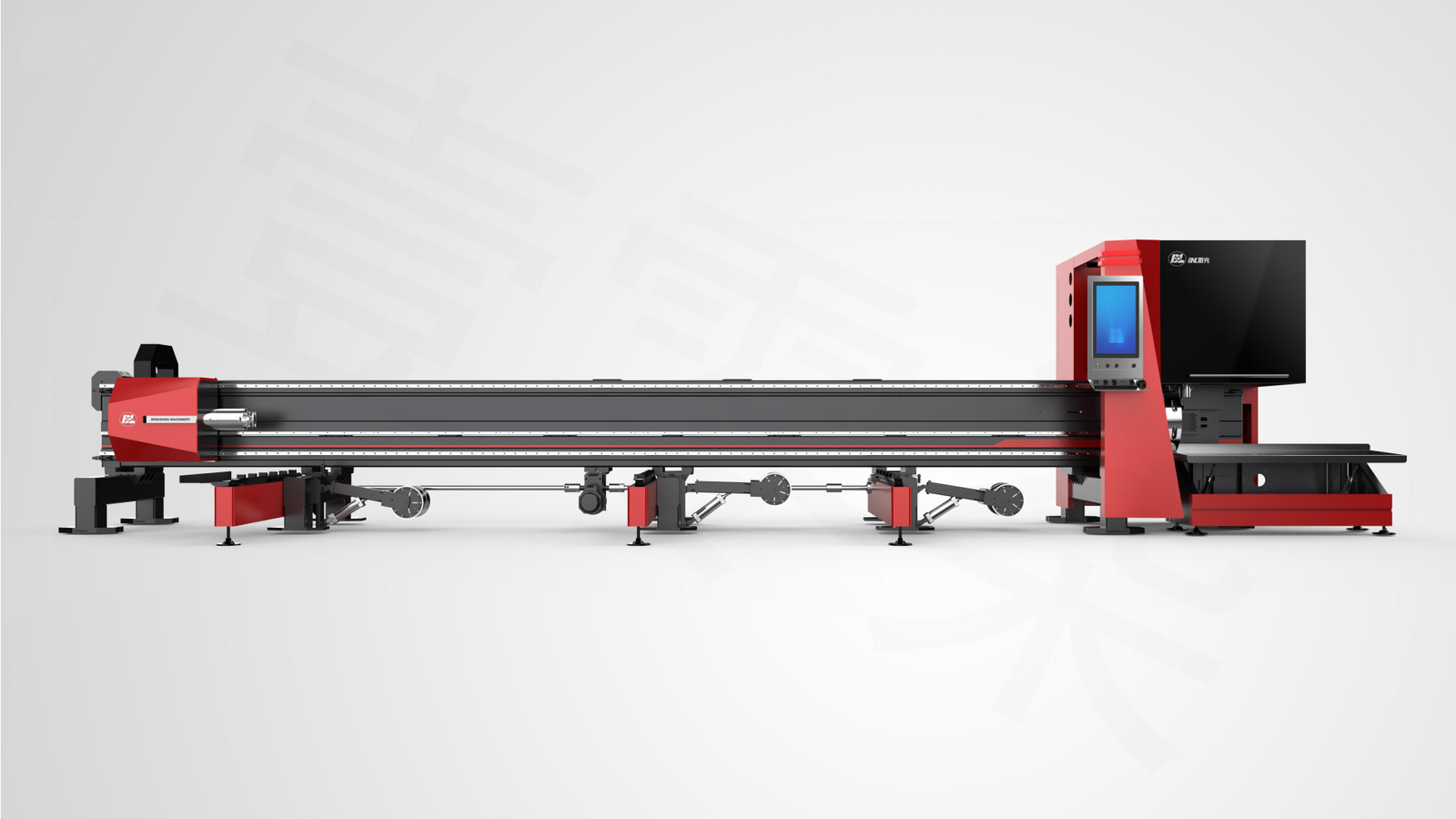
The four main types of laser cutting machines are CO2, fiber, Nd:YAG, and specialized laser tube cutters. CO2 lasers excel with non-metals, while fiber lasers are popular for their speed on metal sheets. Laser tube cutters are essential for processing pipes and profiles efficiently.
In my years as General Manager at MZBNL, I've seen countless businesses transform their operations by selecting the right technology. It's not just about buying a machine; it's about investing in a solution that solves your specific problems. Let's break down these technologies so you can make an informed decision for your own factory floor.
How Has Laser Cutting Technology Evolved?
Yesterday's cutting methods were slow and imprecise. This created bottlenecks and high scrap rates. Laser technology emerged, offering a revolutionary path to clean, fast, and accurate cuts.
Laser cutting technology evolved from bulky CO2 lasers in the 1960s to today's highly efficient fiber and specialized tube lasers. This progression has dramatically increased speed, precision, and material versatility, transforming modern manufacturing by making complex cuts simple and fast.
When I first entered this industry, laser machines were massive, complex beasts that required highly specialized engineers to operate. They were powerful, but not particularly accessible. The real revolution hasn't just been in the power of the laser, but in how we control and apply that power. We've moved from a niche, high-tech tool to an essential, user-friendly manufacturing asset.
Key Milestones in Laser Technology
The journey has been incredible.
- 1960s-1970s: The invention of the CO2 laser and its first industrial applications. These early machines were groundbreaking but slow and limited to certain materials.
- 1980s-1990s: The introduction of Nd:YAG lasers[^1] offered new capabilities, especially for welding and engraving. CNC controls[^2] became more sophisticated, allowing for more complex cutting patterns.
- 2000s-Present: The commercialization of fiber lasers changed everything for metal fabrication. Their speed, efficiency, and low maintenance made them the go-to choice for sheet metal. Alongside this, specialized machines like our laser tube cutters were developed to solve very specific industry problems, such as processing pipes and profiles for furniture or automotive parts.
At MZBNL, our focus has always been on this last step of the evolution: making advanced technology practical. We believe a powerful machine is useless if your team can't use it efficiently.
What Are the Most Popular Types of Laser Cutting Machines Today?
You need to cut different materials. But one machine can't do it all efficiently. Using the wrong laser type for the job leads to poor quality and wasted energy.
The most popular types are CO2 and fiber lasers. Fiber lasers dominate metal sheet cutting due to their high speed and energy efficiency. CO2 lasers remain the top choice for non-metals like wood and acrylic. Specialized laser tube cutters are increasingly popular for profile processing.
I often talk to plant managers who are trying to decide between these options. The best choice always comes down to the primary application. You wouldn't use a race car to haul lumber, and the same logic applies here. Understanding the core strengths of each type is the key to a smart investment. For our clients in metal tube processing, furniture, and automotive parts, this decision is critical for maintaining a competitive edge.
A Quick Comparison
To simplify things, here is a breakdown of the most common types we see in modern factories:
| Machine Type | Primary Materials | Key Advantages | Common Applications |
|---|---|---|---|
| Fiber Laser | Metals (Steel, Aluminum, Brass) | High speed, energy-efficient, low maintenance | Sheet metal fabrication, automotive panels |
| CO2 Laser | Non-metals (Wood, Acrylic, Plastic, Leather) | Excellent edge quality, versatile on organics | Signage, engraving, packaging, textiles |
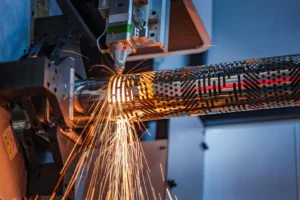
| Laser Tube Cutter | Metal Tubes & Profiles (Round, Square, Rectangular) | High precision on 3D shapes, automates complex cuts | Furniture frames, fitness equipment, auto chassis |
While fiber and CO2 lasers handle flat stock, the laser tube cutter is a game-changer for anyone working with structural materials. It replaces multiple traditional steps like sawing, drilling, and punching with a single, automated process.
What Challenges Do Different Laser Cutting Technologies Face?
Every technology has limits. Ignoring these can lead to unexpected downtime and maintenance costs. You need to understand the trade-offs before you invest in a new machine.
Key challenges include material limitations and operational complexity. CO2 lasers struggle with reflective metals and have higher maintenance needs. Fiber lasers are less effective on non-metals. And traditional tube cutters often require complex programming and skilled operators.
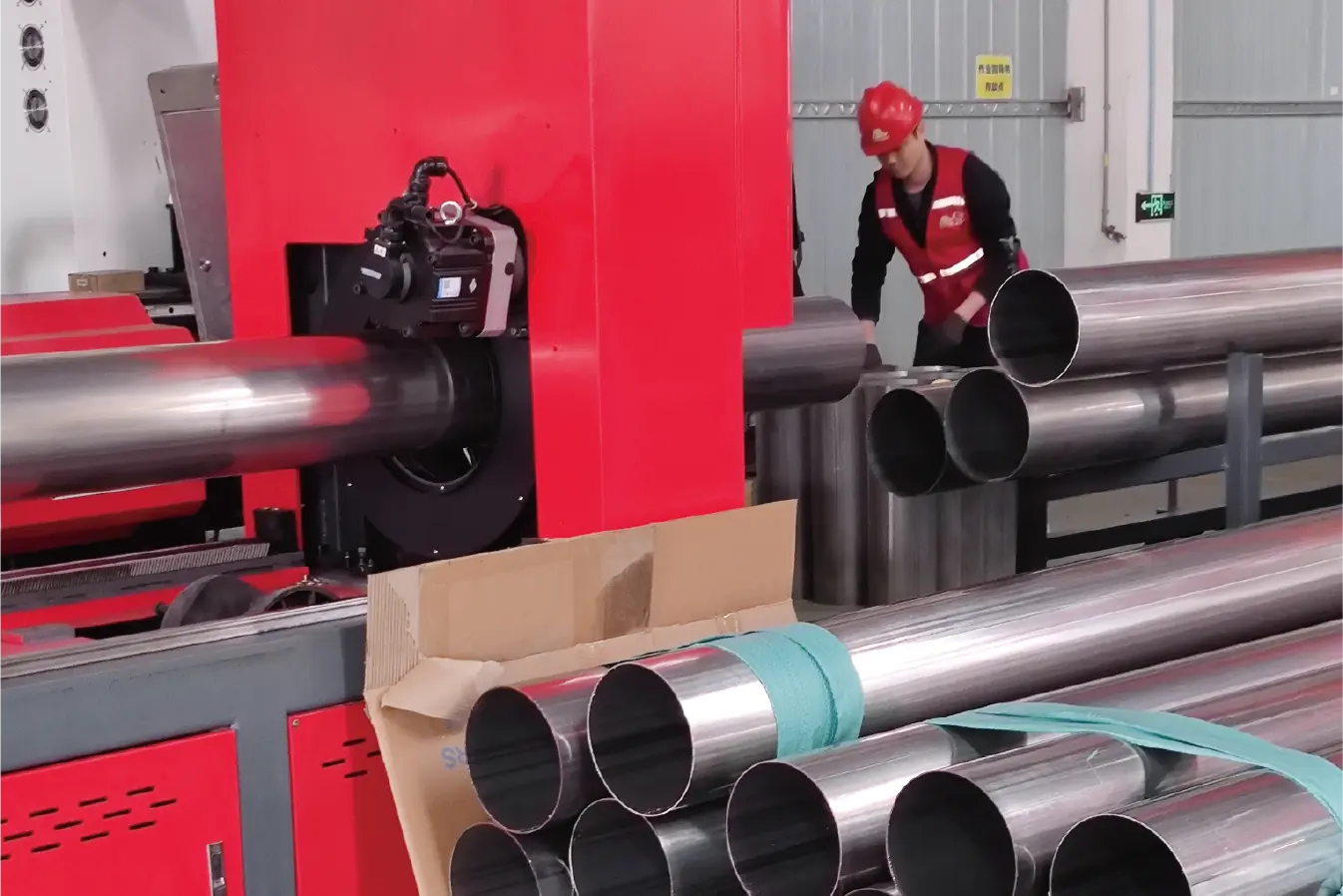
I remember visiting a potential client's factory. They had a powerful, expensive tube cutting machine sitting idle most of the time. The problem wasn't the machine's capability, but its complexity. They only had one engineer who could program it, and he was overwhelmed with work. This is a common story. The biggest challenge isn't always the hardware; it's the human element. High labor costs and a shortage of skilled operators are real pressures for our customers.
Here are some of the specific challenges we help our clients overcome:
- High Skill Requirement: Many laser systems, especially for 3D tube cutting, demand extensive knowledge of CAD/CAM software. This creates a bottleneck and makes it hard to train new staff.
- Material Handling Inefficiency: Manually loading long, heavy tubes is slow and poses a safety risk. It also leads to material waste from improper positioning.
- Maintenance Downtime: For CO2 lasers, things like replacing gas canisters, cleaning mirrors, and aligning the beam path require regular downtime and specialized service.
- Limited Versatility: A machine optimized for thick steel sheets (a fiber laser) will not be the right tool for cutting acrylic signs (a CO2 laser). Forcing a machine to do a job it wasn't designed for leads to poor results.
Understanding these pain points is what drives our innovation at MZBNL. We believe technology should solve these problems, not create new ones.
How Do You Choose the Right Laser Cutting Machine?
Buying a new machine is a huge investment. A wrong choice can lock you into an inefficient process for years. You need a clear strategy to select the best fit.
To choose the right machine, first analyze your primary materials and required thickness. Then, evaluate your production volume and precision needs. Finally, consider the total cost of ownership, including operator training, maintenance, and energy consumption, for the best long-term ROI.

When a business owner asks me for advice, I don't start by talking about our machines. I start by asking them questions about their business. The right machine is the one that fits your workflow, your materials, and your people. A clear strategy ensures you invest in a solution that will grow with you and deliver a tangible return. It's not about the price tag on day one; it's about the value it creates over the next ten years.
Your 3-Step Selection Strategy
Follow these steps to make a data-driven decision.
1. Analyze Your Materials
What do you cut 80% of the time? Is it 1mm stainless steel sheet? 3mm square steel tube? Or 10mm acrylic? Be specific. The material type and thickness are the most important factors. If you work with metal tubes and profiles, a specialized laser tube cutter is almost certainly the most efficient choice.
2. Assess Your Production Needs
What is your required output? Are you running small, custom batches or high-volume production? Do you need simple straight cuts, or complex shapes with holes and notches? Answering these questions helps define the level of automation and speed you require from the machine.
3. Calculate Total Cost of Ownership (TCO)
The initial purchase price is only part of the story. You must also consider:
- Installation & Training: How long will it take to get your team up to speed? A machine that takes weeks to learn costs you more in lost production.
- Operating Costs: Factor in electricity consumption and any required consumables (like laser gas for CO2 machines).
- Maintenance: What are the expected service intervals and costs?
- Labor: A machine that one person can operate easily is far more valuable than one that requires a dedicated, high-salaried engineer.
What Are the Latest Technical Advancements in Laser Cutting?
Your competitors are getting faster and smarter. Sticking with old technology means falling behind. You must embrace innovation to maintain your competitive edge in the market.
Recent advancements focus on automation and user-friendliness. This includes smart control systems that optimize cutting paths, automatic loading, and simplified programming. Innovations like MZBNL's No-CAD system allow operators to start production without extensive design experience.
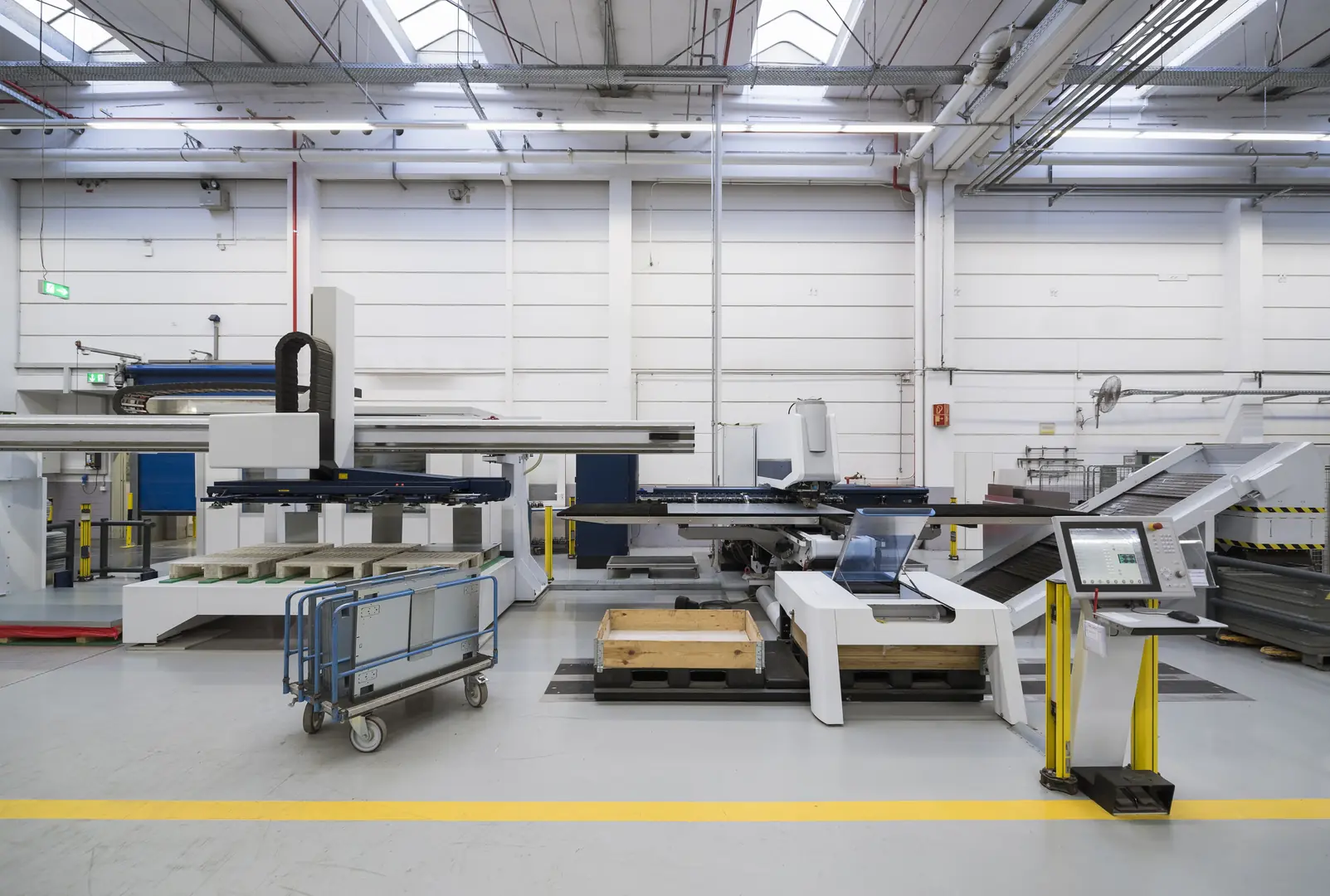
The future of manufacturing is not just about more powerful lasers; it's about smarter, more integrated systems. At MZBNL, this is where we focus all our R&D efforts. We aim to take the complexity out of the process, so our clients can focus on what they do best: making great products. We have over 30 patents dedicated to this mission, and our 4,000+ clients worldwide are proof that this approach works.
Simplifying the Human-Machine Interface
The biggest leap forward is making these machines easier to use. For years, the industry accepted that running a tube laser required a programmer. We decided to challenge that. Our No-CAD system is a perfect example. It allows an operator to input cutting parameters directly on the machine's interface without needing to go back to an office and use complex software. This reduces training time from weeks to a single day.
The Rise of Automation
Another key advancement is automating material handling. Our Front-Feeding mechanism is a simple but powerful innovation. It allows operators to easily and safely load tubes from the front of the machine, reducing changeover time and minimizing the risk of material damage. When you combine this with automatic feeding systems for high-volume production, you create a seamless workflow that runs with minimal human intervention. These smart systems are no longer a luxury; they are a strategic necessity for staying competitive.
Conclusion
Choosing the right laser cutter—CO2, fiber, or a specialized tube machine—depends on your materials and goals. Modern advancements in automation and user-friendly systems are making this powerful technology more accessible and profitable than ever before. We are proud to be leading that change.
Have Questions or Need More Information?
Get in touch with us for personalized assistance and expert advice.


 English
  Русский
  Türkçe