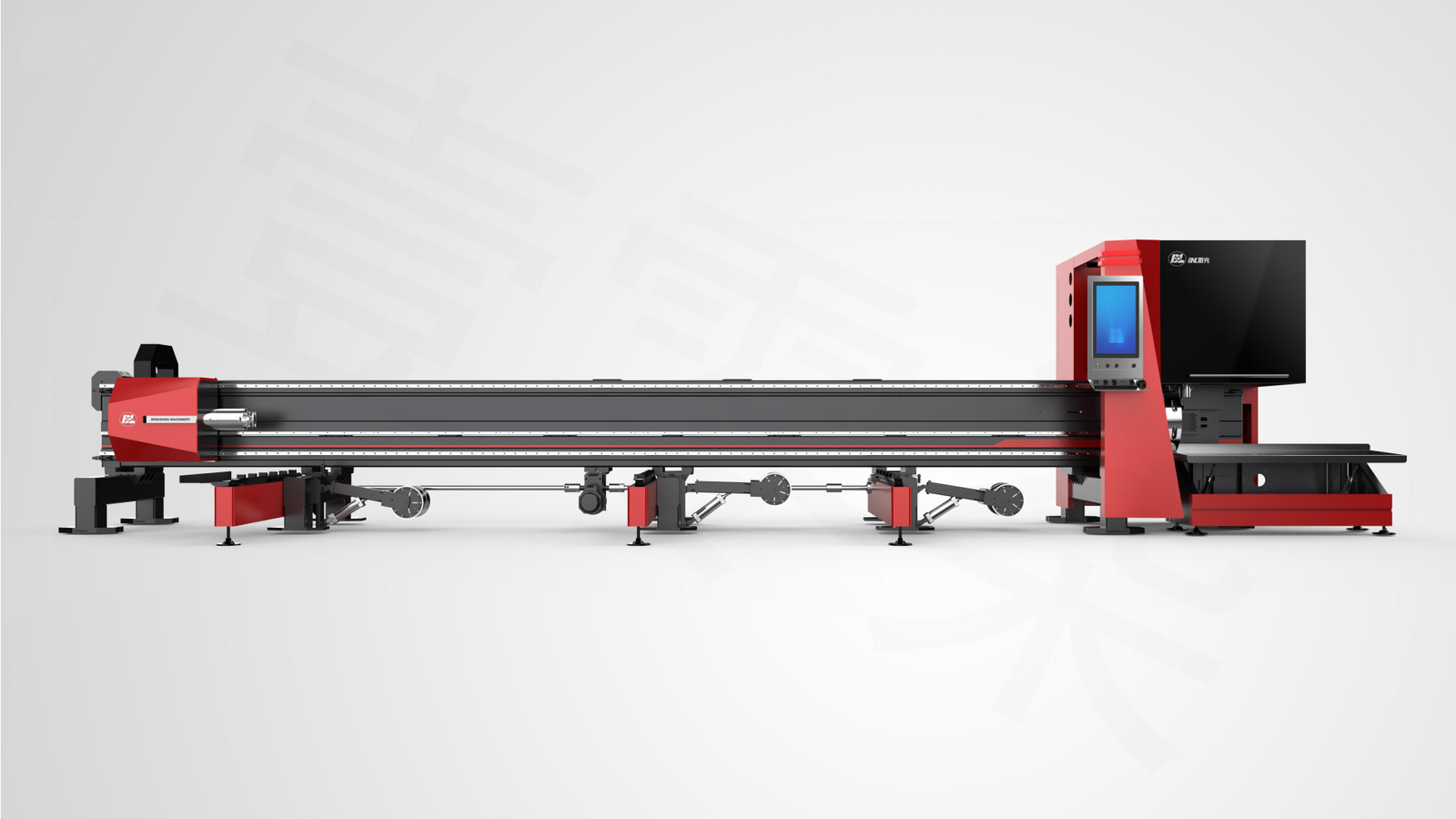
The Inner Workings of a Tube Laser Cutter Explained: Why It's Key to Your Production Efficiency?
Your production line feels slow, and material costs are climbing. Traditional methods are complex and inefficient, directly impacting your bottom line. A [tube laser cutter](https://www.dimarmfg.com/what-is-laser-tube-cutting/)[^1] is the transformative solution you need.
**A tube laser cutter is key to production efficiency because it combines high-speed precision cutting, drilling, and shaping into a single automated process. This integration drastically reduces manual labor, minimizes material waste, and accelerates turnaround times, fundamentally streamlining manufacturing workflows from start to finish.**
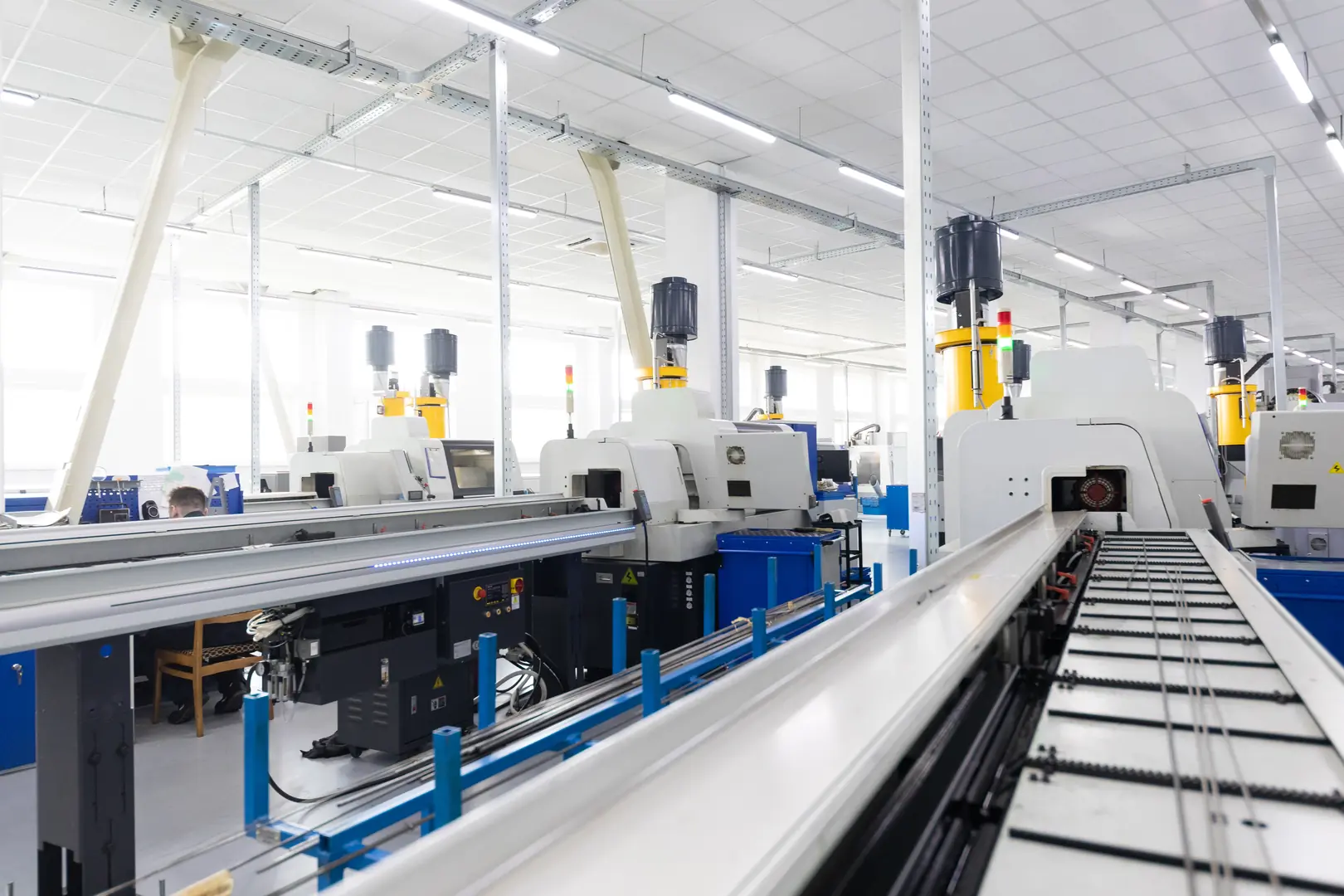
Over my years in this industry, I've seen countless workshops struggle with the same bottlenecks. They invest in powerful machinery but fail to see the expected returns. The problem often isn't the machine itself, but the ecosystem of processes surrounding it. In this article, I want to break down how tube laser cutters work, the common challenges users face, and, most importantly, the specific innovations that turn a good machine into the cornerstone of a highly efficient production line. Let’s dive in.
## What is the role of tube laser cutters in modern manufacturing?
Complex metal tube shapes are difficult to produce consistently. Multiple machines and manual steps lead to errors, rework, and costly delays. Tube laser cutters consolidate these processes with unmatched precision and speed.
**In modern manufacturing, tube laser cutters play a pivotal role by replacing traditional sawing, drilling, and punching machines. They provide a single-step solution for creating complex geometries with high precision and repeatability, essential for industries like automotive, furniture, and construction that demand intricate designs.**
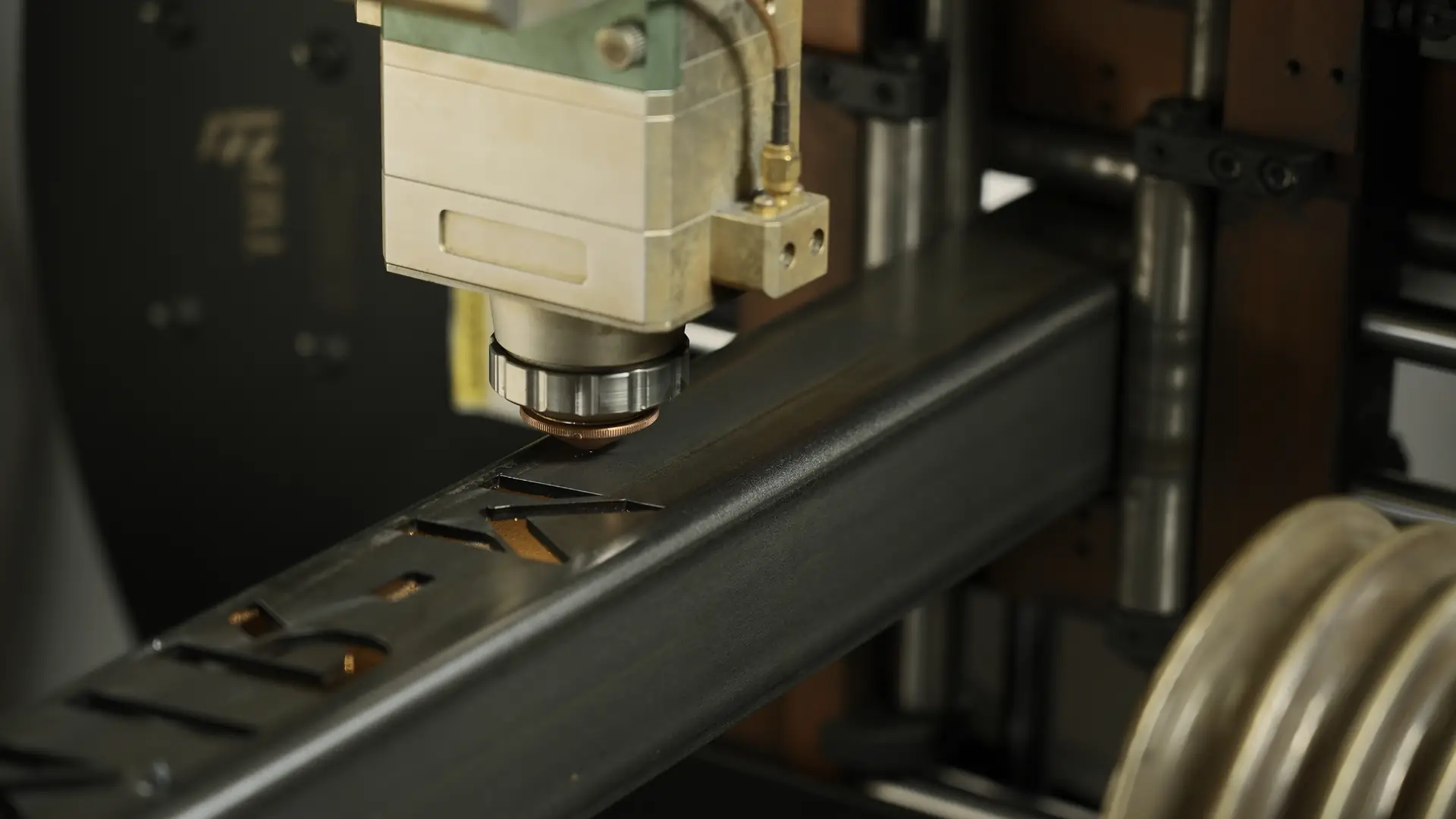
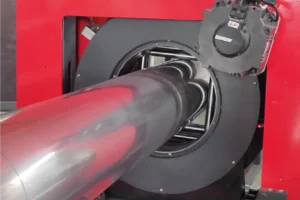
When I talk to factory owners, I often describe the tube laser cutter as the "great consolidator" of the modern workshop. Before this technology became accessible, processing a single metal tube for a piece of fitness equipment or an automotive frame was a multi-stage headache. You'd have one station for cutting to length, another for drilling holes, and perhaps a third for notching or creating specific joints. Each transfer between stations introduced opportunities for human error and added precious minutes—or hours—to the production cycle. A tube laser cutter changes this dynamic completely. It takes a raw piece of stock and performs all those operations in one continuous process, guided by a precise digital file. This not only speeds things up but also opens up new possibilities for design. Engineers are no longer constrained by the limitations of traditional tools. They can design complex, interlocking parts that are stronger, lighter, and easier to assemble, pushing the boundaries of what's possible in everything from architectural decoration to medical equipment. It's a fundamental shift from a fragmented, labor-intensive process to an integrated, automated, and highly versatile manufacturing hub.
## How do tube laser cutters currently impact production processes?
Your production line is fragmented, slow, and expensive to run. Each manual step adds time, labor costs, and the potential for critical error. Tube laser cutters integrate these operations, creating a seamless workflow.
**Tube laser cutters impact production by automating complex cutting tasks, which significantly reduces cycle times and labor dependency. This leads to faster throughput, improved consistency, and the ability to handle just-in-time manufacturing demands, making the entire production process more agile and responsive to market changes.**
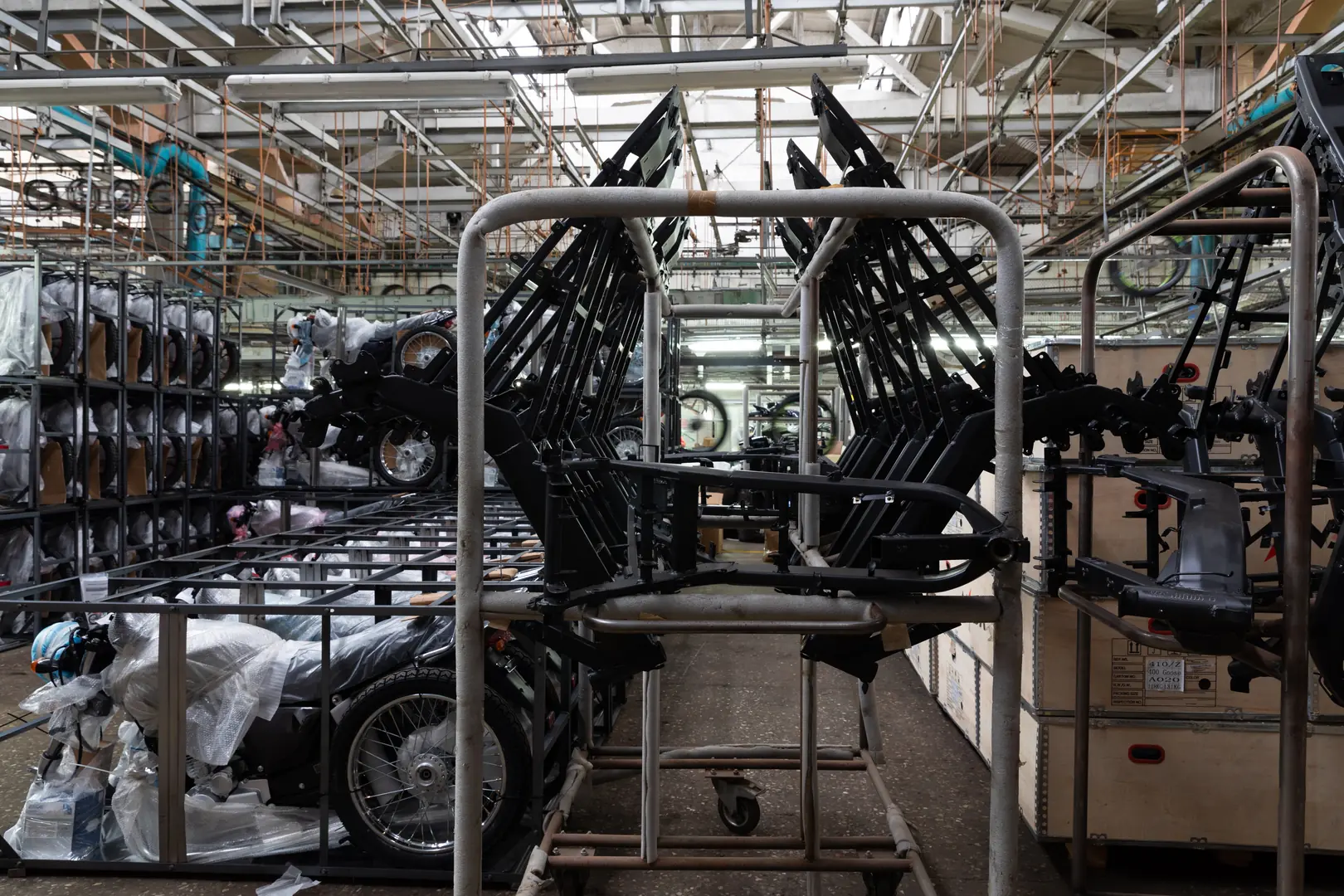
The impact on the shop floor is immediate and profound. I remember visiting a client in the furniture industry who was struggling to keep up with orders. Their process for creating chair frames was a perfect example of old-school inefficiency. It involved three machines and two operators, and the final quality was inconsistent. After we installed one of our integrated machines, the entire workflow was transformed. One operator could now manage the whole process, from loading the tube to stacking the finished, perfectly cut parts. Their cycle time per frame dropped by over 60%. This is not an isolated story. The core impact comes from eliminating non-value-added activities. Think about the time your team spends setting up jigs, changing tools, or manually inspecting parts between stages. A tube laser cutter renders much of that obsolete.
Here’s a simple comparison of the workflows:
| Traditional Process | Tube Laser Cutter Process |
| :--- | :--- |
| 1. Cut tube to length (Saw) | 1. Load tube bundle |
| 2. Manually move to next station | 2. Program cut file |
| 3. Drill holes (Drill Press) | 3. Machine cuts, drills, notches |
| 4. Manually move again | 4. Unload finished part |
| 5. Notch ends (Notcher/Mill) | |
| 6. Deburr and finish | |
This shift doesn't just make you faster; it makes your entire operation leaner and more agile, ready to adapt to whatever the market demands.
## What are the common challenges faced when using tube laser cutters?
Even the most advanced machines can have hidden bottlenecks. High operator skill requirements, slow loading, and material waste can erode your ROI. Identifying these challenges is the first step to overcoming them.
**Common challenges include the need for skilled operators to create complex CAD/CAM files, inefficient material loading and unloading processes, and significant tail material waste. These issues can create bottlenecks, increase operational costs, and limit the overall productivity gains expected from the technology.**
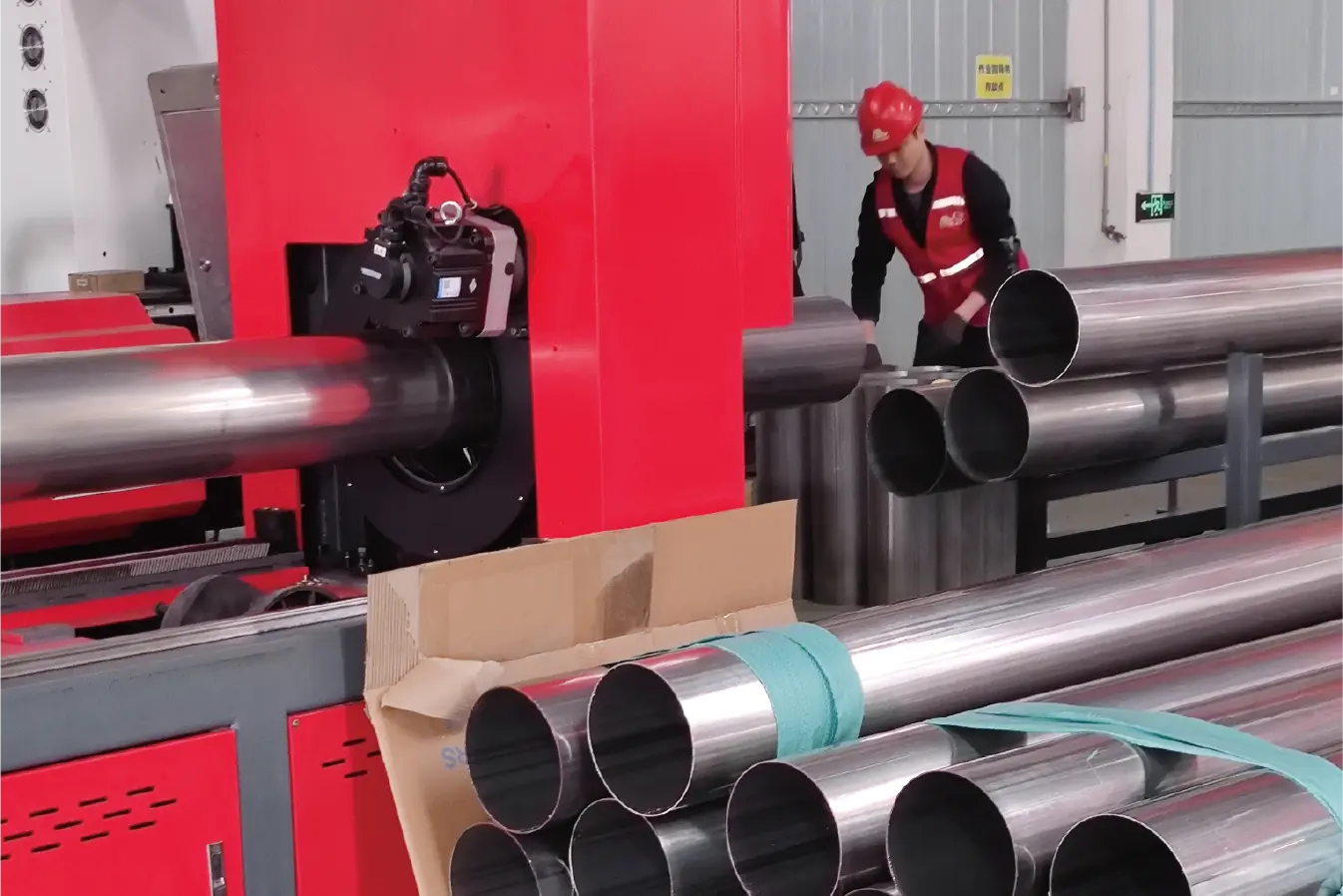
While tube laser cutters are powerful, they aren't a magic bullet. Over the years, I've seen many companies invest heavily in this technology only to be frustrated by persistent inefficiencies. The machine cuts fast, but the overall process remains slow. Why? Because they run into three fundamental challenges that standard machines don't solve.
### The CAD Drawing Bottleneck
The first major hurdle is programming. Traditionally, every part you want to cut requires a 3D CAD drawing and a corresponding CAM file to tell the machine what to do. This means you need a skilled—and often expensive—engineer or technician on staff. If they're busy or on vacation, your multi-million dollar machine sits idle. This dependency on specialized skills creates a significant bottleneck, especially for shops that produce standard shapes with minor variations.
### The Labor-Intensive Feeding Process
The second challenge is getting material into the machine. Most conventional systems use side-loading or rear-loading mechanisms. These require significant manual effort to position and load heavy tube bundles, and the process itself can be slow. It creates a "hurry up and wait" scenario where the high-speed cutter is constantly waiting for the operator to feed it more material.
### The Hidden Cost of Material Waste
Finally, there's the issue of tail material. In a typical cutting process, the rear chuck needs a certain length of tube to grip onto. Once the cutting is finished, this leftover piece—often 80mm or more—is unusable and gets discarded. It may not seem like much, but over thousands of cycles, this waste adds up to a substantial and unnecessary material cost.
## What solutions can enhance the efficiency of tube laser cutters?
Standard machines don't solve every operational problem. You need targeted innovations to unlock true efficiency and get the most from your investment. Smart systems for drawing, feeding, and material use are the answer.
**Solutions to enhance efficiency include software that eliminates the need for CAD drawings for standard cuts, automated front-feeding systems to speed up loading, and innovative cutting logic that minimizes or eliminates tail material waste. These advancements directly target common operational bottlenecks.**
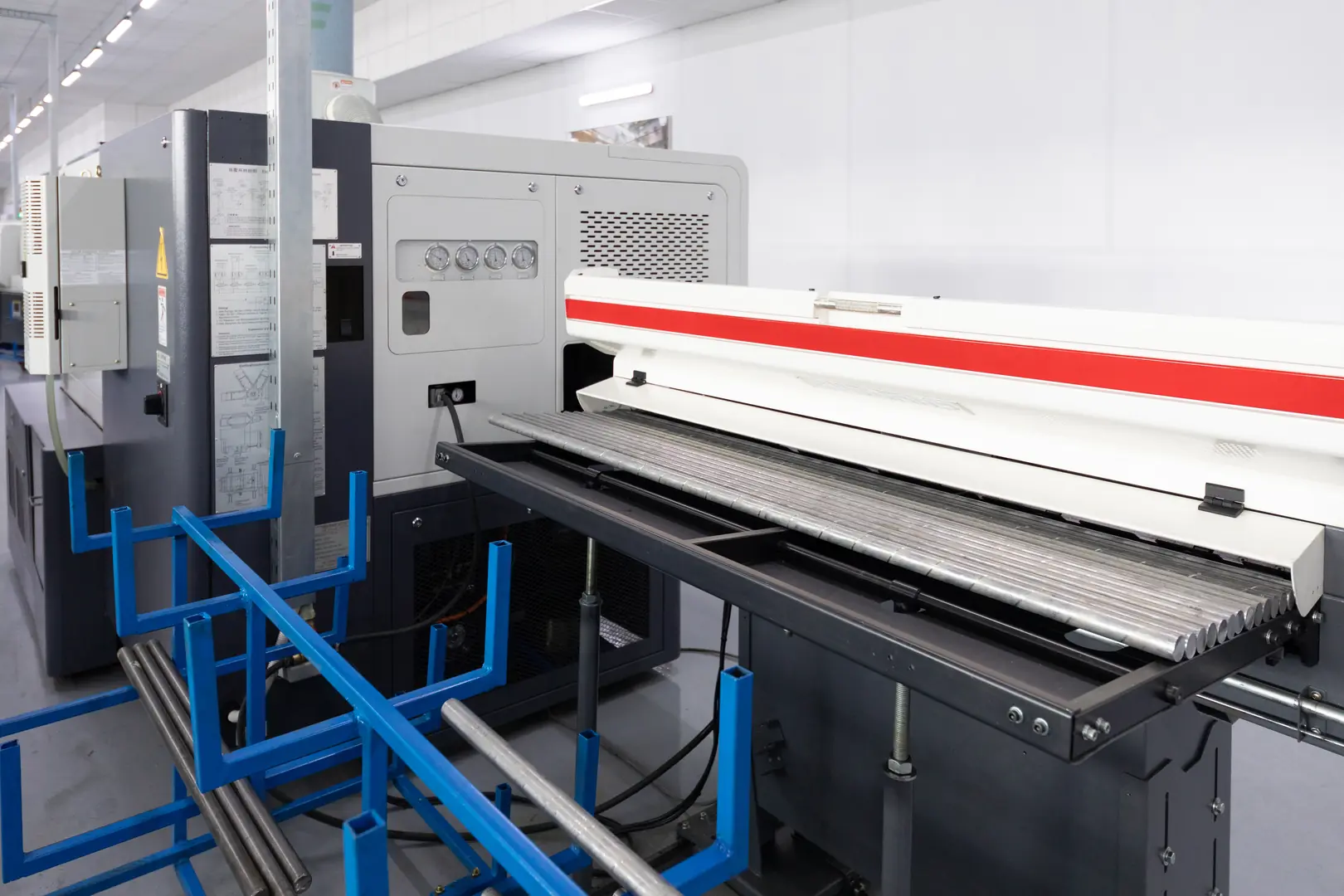
At MZBNL, we've spent years focusing on these exact challenges. We believe a machine's value isn't just in its cutting speed, but in the intelligence of its entire workflow. We engineered practical, high-impact solutions to transform these points of friction into sources of efficiency.
* **Our No-CAD System:** We tackled the programming bottleneck head-on. Our pioneering system allows operators to process standard tubes (round, square, rectangular) simply by entering the required parameters—like length, hole diameter, and position—directly into the machine's interface. This completely eliminates the need for 3D drawings for a huge percentage of jobs. The result? We've seen on-site operator training time drop from a typical 15 days to just 1 day. It democratizes the technology, making it accessible to any operator, not just CAD experts.
* **Our Front-Feeding Mechanism:** To solve the slow loading problem, we developed an automated front-loading system. It’s designed for simplicity and speed, allowing operators to stage material quickly and safely. This simple change in design increases feeding efficiency by approximately 40% and, just as importantly, reduces operator labor intensity by a similar margin. The machine spends more time cutting and less time waiting.
* **Our Zero-Waste Tail Material Innovation:** We re-engineered the cutting logic. Instead of leaving a final gripping piece, our system enables the machine to start the cutting process from the rear chuck's position. This allows it to use the entire length of the tube, effectively reducing tail material waste to zero. This innovation directly translates to maximizing material utilization and provides a clear, measurable cost saving on every single job.
## How can the adoption of tube laser cutters improve overall production efficiency?
You're seeking a sustainable competitive edge in a tough market. Small, incremental improvements aren't enough to get ahead. Adopting advanced tube laser technology provides a transformative leap in overall production efficiency.
**Adopting advanced tube laser cutters improves overall efficiency by creating a synergistic effect. It reduces labor costs through automation, cuts material expenses via waste reduction, and accelerates production cycles. This holistic improvement boosts profitability, enhances market responsiveness, and strengthens your competitive position.**
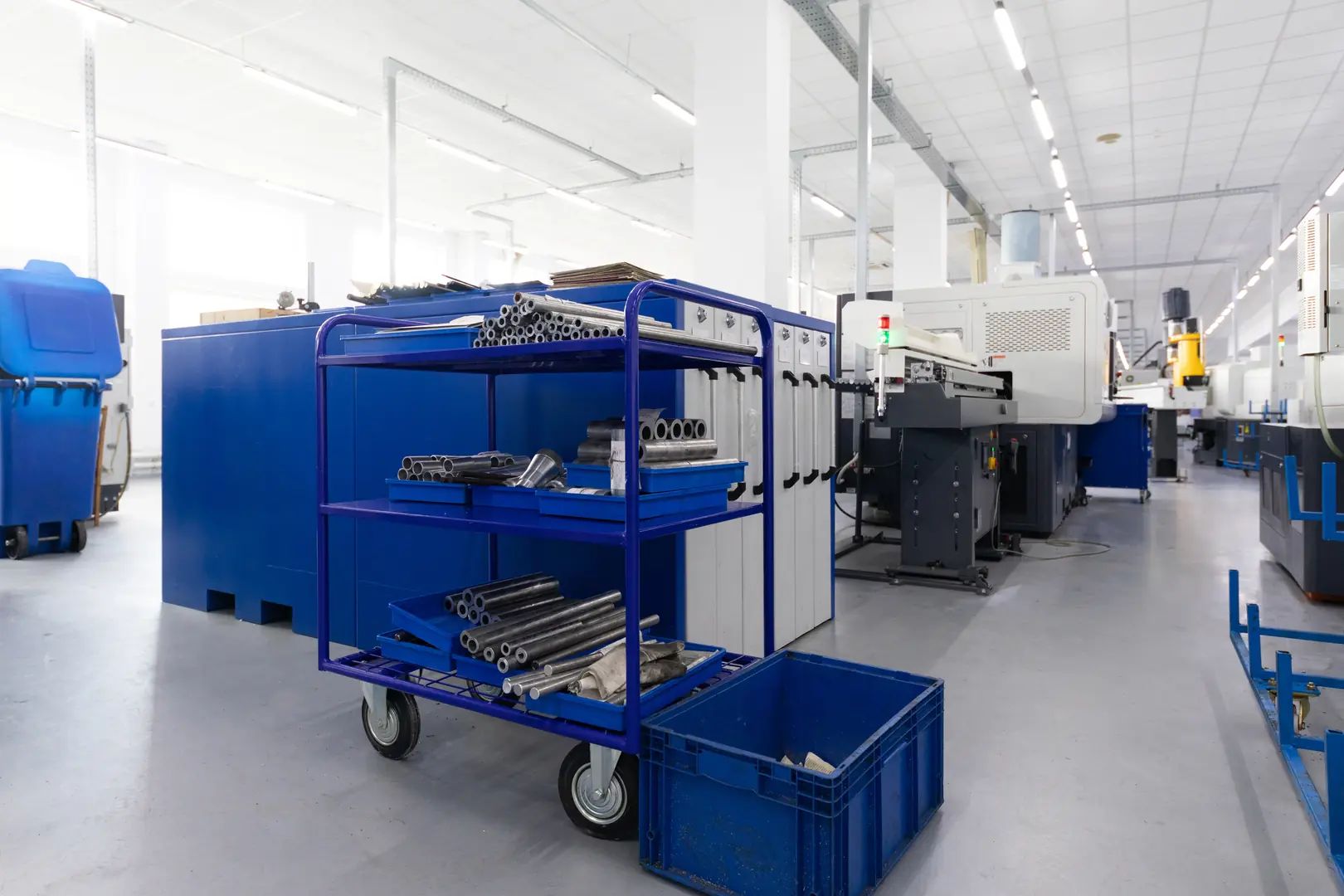
When you combine the inherent speed and precision of laser cutting with innovations that solve key workflow challenges, the impact on your business is compounded. It's not just about one metric improving; it's about the entire production ecosystem becoming smarter, faster, and leaner. Adopting this level of technology moves you from simply making parts to building a highly efficient manufacturing system.
Let's summarize the cumulative benefits that lead to this overall improvement:
* **Reduced Operational Costs:** You spend less on skilled labor due to simplified programming (No-CAD system), less on raw materials due to waste elimination (Zero-Waste), and less on secondary operations due to process consolidation.
* **Increased Throughput and Capacity:** Faster feeding and continuous operation mean you can produce more parts in the same amount of time. This allows you to take on more work, reduce lead times, and increase revenue without expanding your physical footprint.
* **Enhanced Agility and Flexibility:** The ability to quickly program new jobs without waiting for CAD drawings allows you to respond rapidly to customer requests and handle smaller, more customized orders profitably.
* **Improved Product Quality and Innovation:** The flawless precision of laser cutting ensures every part is identical, reducing rework and improving the quality of your final product. It also gives your engineers the freedom to design more complex and innovative products.
Ultimately, these improvements create a more resilient, profitable, and competitive business, setting a new standard for what's possible on your factory floor.
## Conclusion
A tube laser cutter is more than just a machine; it's a strategic asset for modern manufacturing. However, its true potential is only unlocked when you address the entire workflow. Innovations in programming, material handling, and waste reduction are what transform this technology into a true engine of efficiency and growth.
Have Questions or Need More Information?
Get in touch with us for personalized assistance and expert advice.


 English
  Русский
  Türkçe