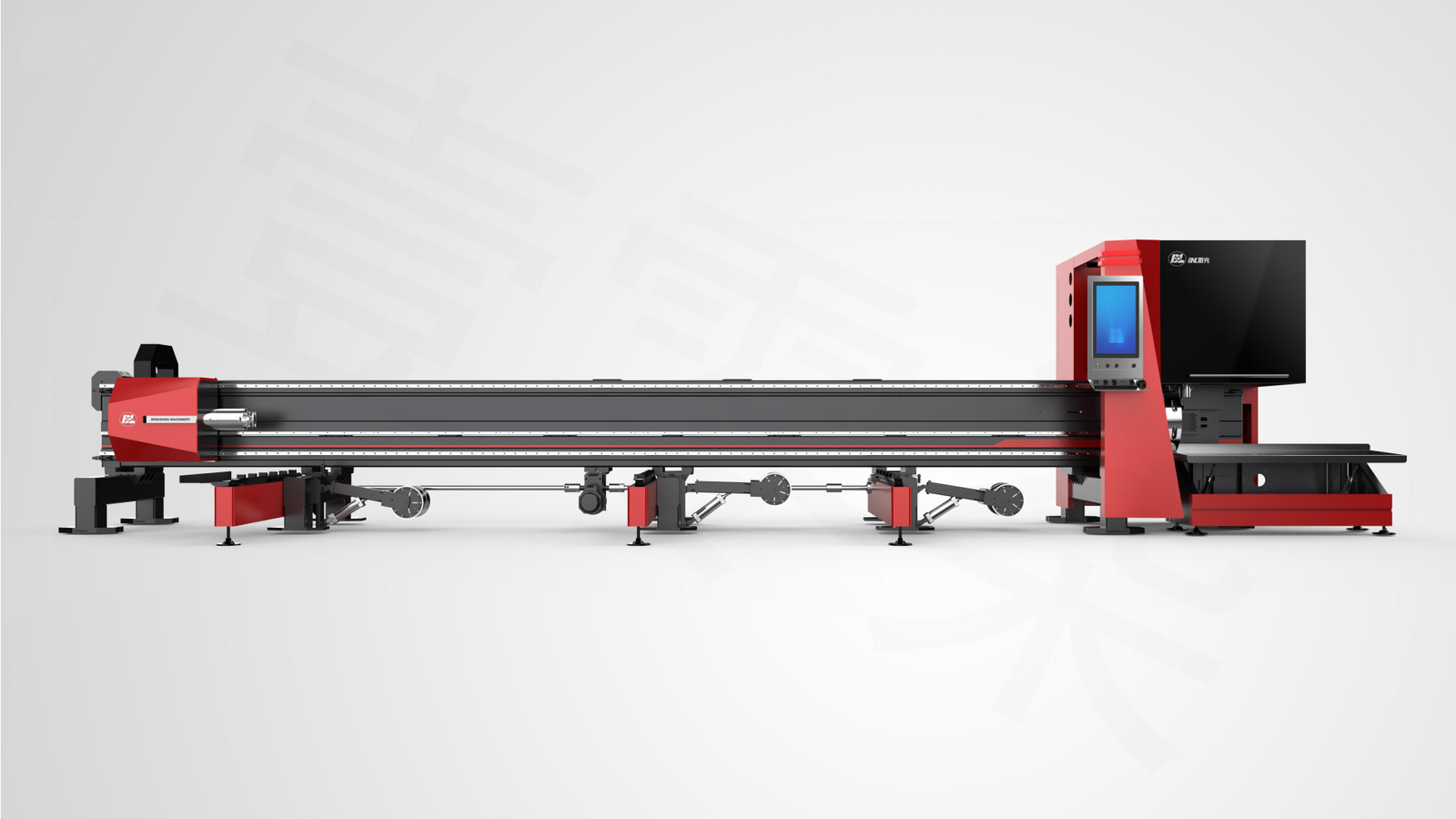
Steel Tube Laser Cutting: A Guide to High-Speed Processing
Struggling with slow production and high material waste? Traditional cutting methods are costly and inefficient, threatening your competitive edge in today's fast-paced market. High-speed laser cutting is the solution.
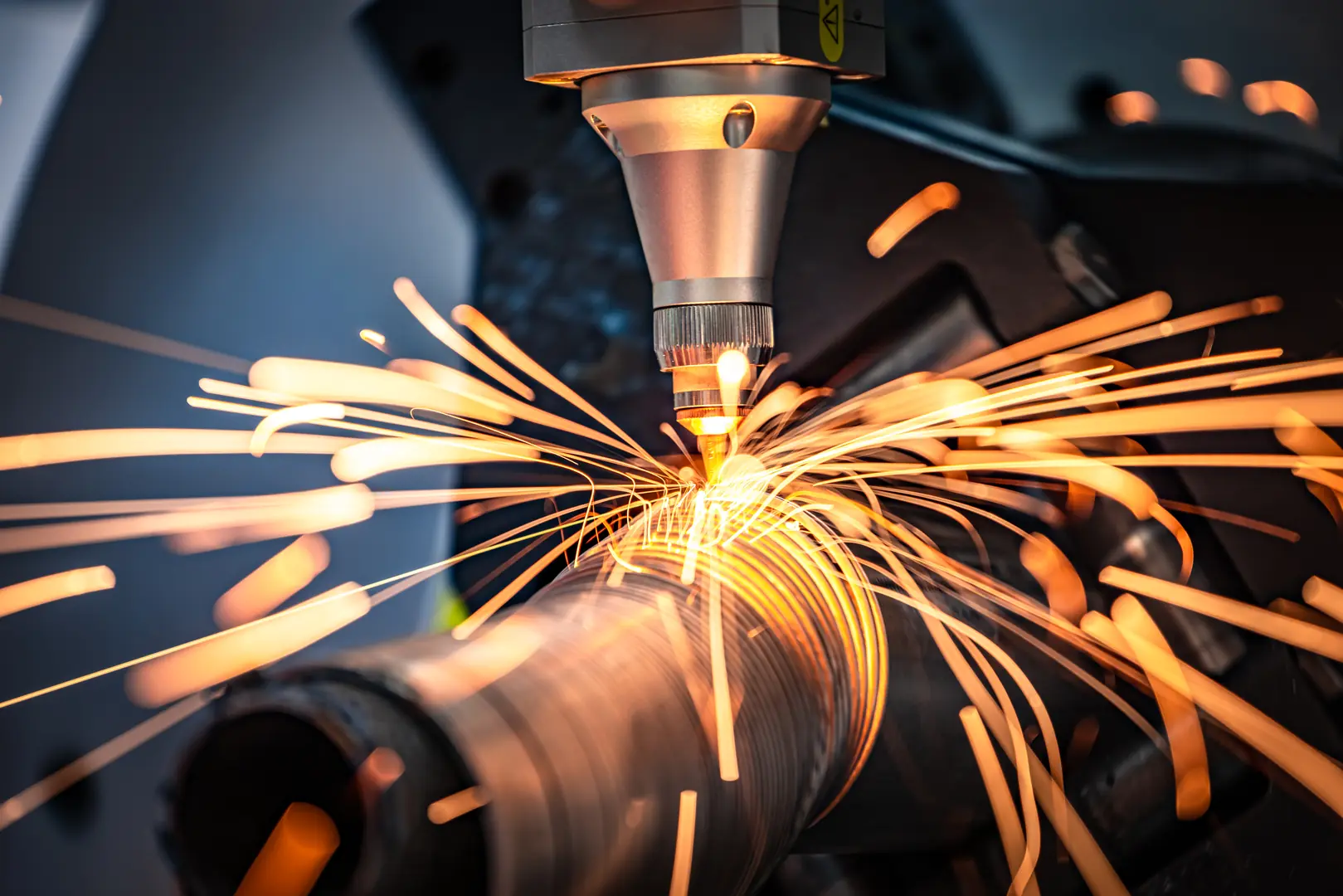
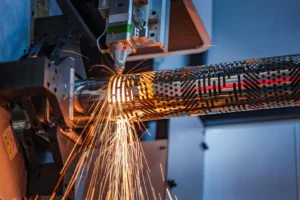
High-speed steel tube laser cutting uses a focused laser beam to melt, burn, or vaporize material with extreme precision. It dramatically increases production speed, reduces material waste, and lowers operational costs, making it essential for modern manufacturing in sectors like automotive, furniture, and medical equipment.
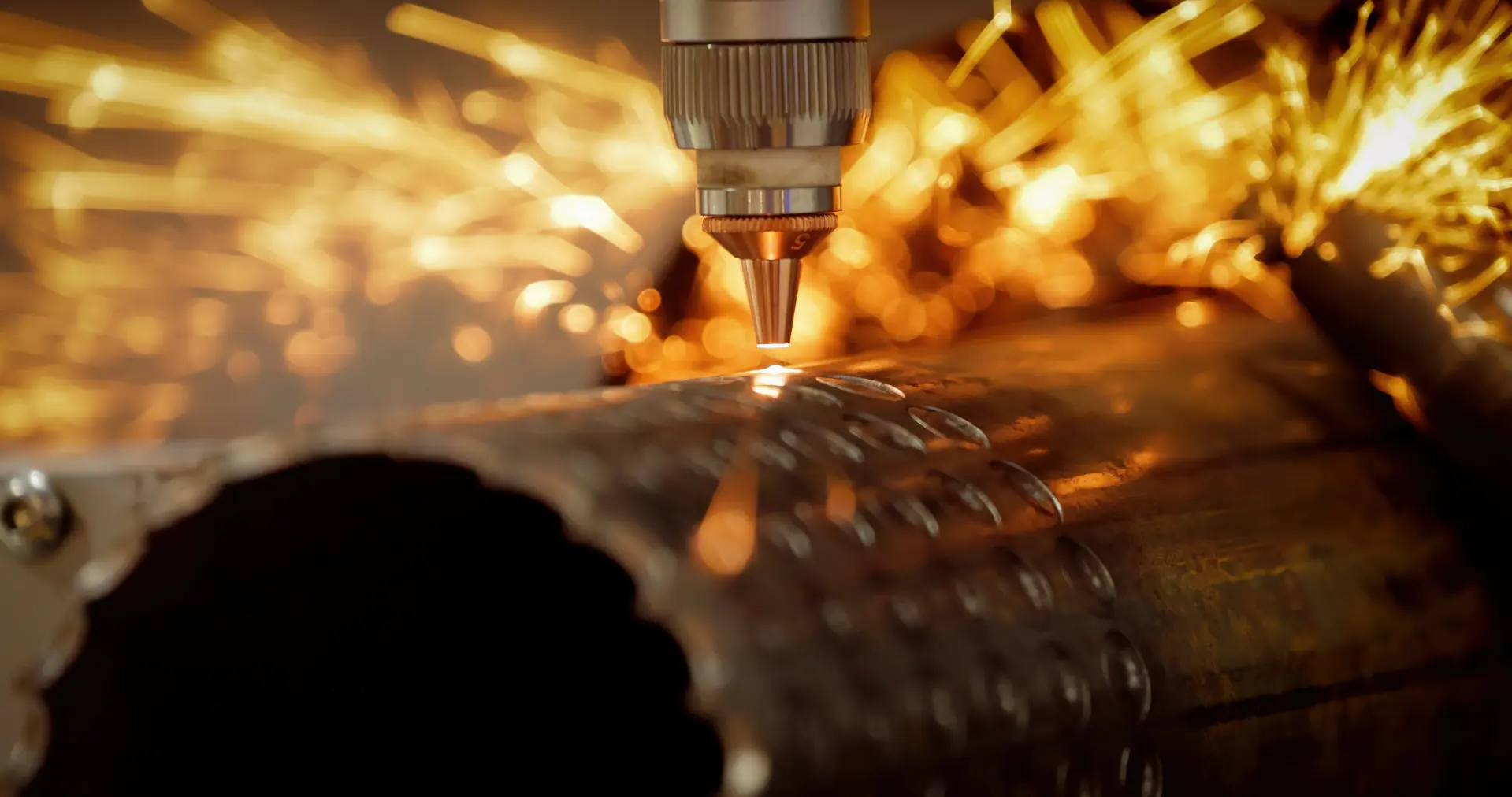
Over the years, I've walked through countless manufacturing facilities. I've seen firsthand the difference between shops that struggle with old technology and those that thrive by embracing innovation. The leap to high-speed laser cutting isn't just an upgrade; it's a complete transformation of what's possible on the factory floor. It’s about moving faster, working smarter, and delivering superior quality. Let's break down how you can master this technology and unlock its full potential for your business.
What Are the Fundamentals of Steel Tube Laser Cutting?
Confused by the technical jargon of laser cutting? This complexity can prevent you from truly understanding its potential for your business. Let's break down the core principles together.
The fundamentals involve a high-power fiber laser, a computer numerical control (CNC) system, and an assist gas. The CNC directs the laser to cut precise patterns on the steel tube, while the gas clears molten material, ensuring a clean edge and high-quality finish.
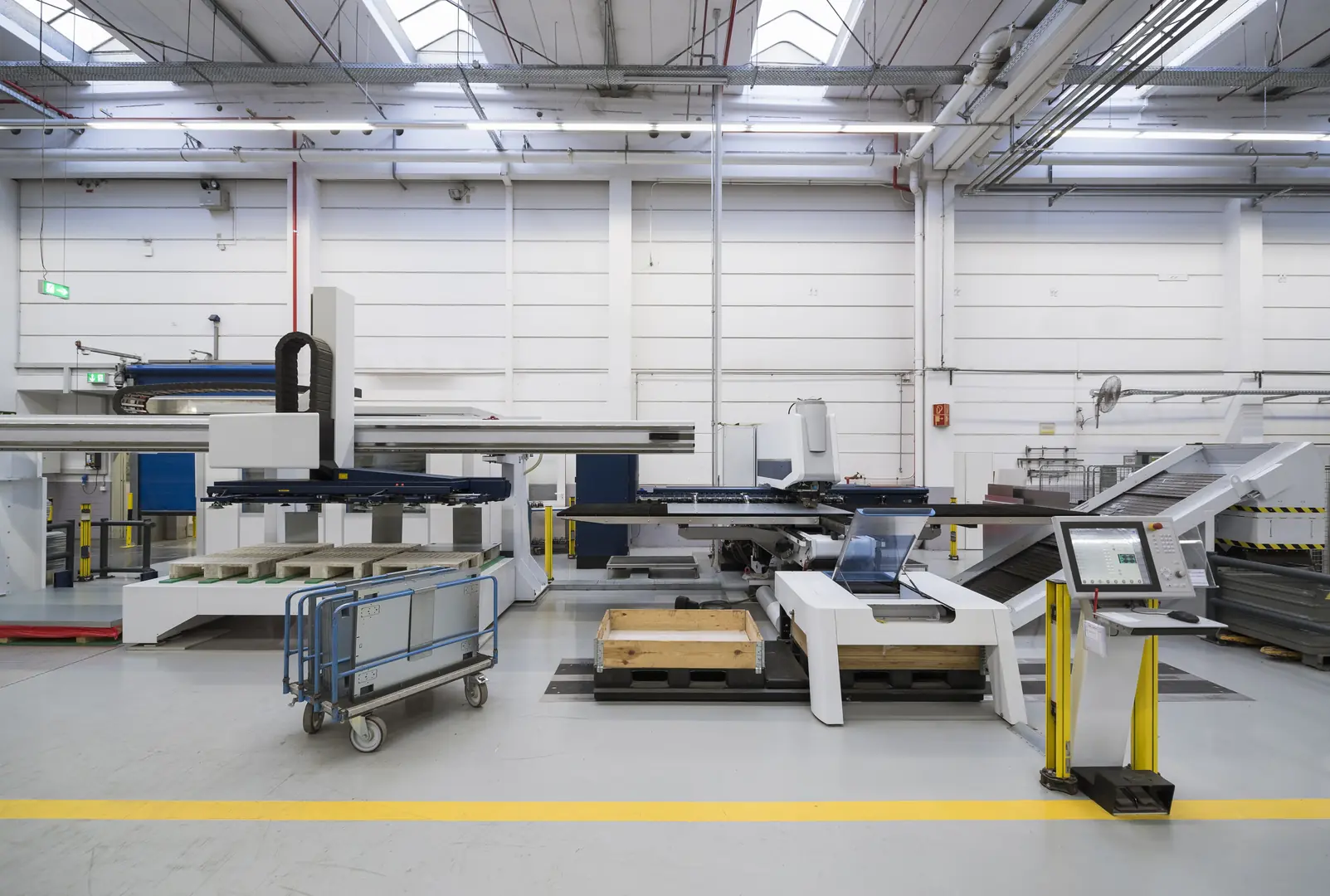
When I talk to clients, I always start with the basics because mastering them is the first step toward efficiency. Think of the process like a three-part orchestra. First, you have the laser source, which is the heart of the machine. In modern systems, this is almost always a fiber laser, renowned for its stability, power, and low maintenance needs. It generates the intense beam of light that does the actual work. Second is the brain: the Computer Numerical Control (CNC)[^1] system. This is what translates a digital design into physical movements, telling the cutting head exactly where to go, how fast to move, and when to fire the laser. Finally, you have the assist gas—typically oxygen or nitrogen—which acts as the cleanup crew. It blows the molten metal away from the cut path, preventing slag and ensuring a perfectly clean, smooth edge. At MZBNL, we've focused on integrating these fundamentals into a single, seamless system that’s incredibly easy to operate, removing the complexity so our clients can focus on production.
How Do You Prepare Steel Tubes for Optimal Laser Processing?
Are imperfections in your raw materials causing cutting errors? Poor preparation leads to wasted time, material, and money. Proper setup is the key to flawless, high-speed results.
Optimal preparation involves inspecting tubes for straightness and surface defects, cleaning them of oil or rust, and ensuring they are correctly loaded. Proper material handling and alignment are critical for preventing errors and maximizing the efficiency and precision of the high-speed cutting process.

I can't stress this enough: your final product is only as good as the raw material you start with. A successful high-speed cutting operation begins long before the laser is ever fired. The process is simple but non-negotiable.
Inspection and Cleaning
First, every tube must be inspected. Look for bends, dents, or significant surface corrosion, as these imperfections can interfere with the laser's focus and the machine's feeding mechanism. After inspection, a quick cleaning to remove any grease, oil, or loose scale ensures the laser can interact directly with the metal surface for a clean, consistent cut.
The Loading Revolution
Traditionally, loading has been a major bottleneck. Manual side-loading or rear-loading is slow, physically demanding, and prone to human error. This is precisely why we developed our Front-Feeding Mechanism. I remember visiting a client who was losing nearly 20% of his shift time to material handling. Our automated front-loading system solved that. It increases feeding efficiency by about 40% and, just as importantly, reduces operator labor intensity by a similar margin. The system automatically aligns and feeds each tube, ensuring perfect positioning for the first cut and every cut after. This automation is a cornerstone of true high-speed processing.
How Do You Execute the High-Speed Laser Cutting Process?
Is the complexity of CAD software slowing down your production line? The traditional design-to-cut bottleneck costs you valuable time and money. There's a faster, more direct way to operate.
Execution involves three steps: programming the cut, setting machine parameters like power and speed, and initiating the automated process. Modern machines simplify this, allowing operators to input dimensions directly, which the system then uses to execute precise, high-speed cuts without manual intervention.
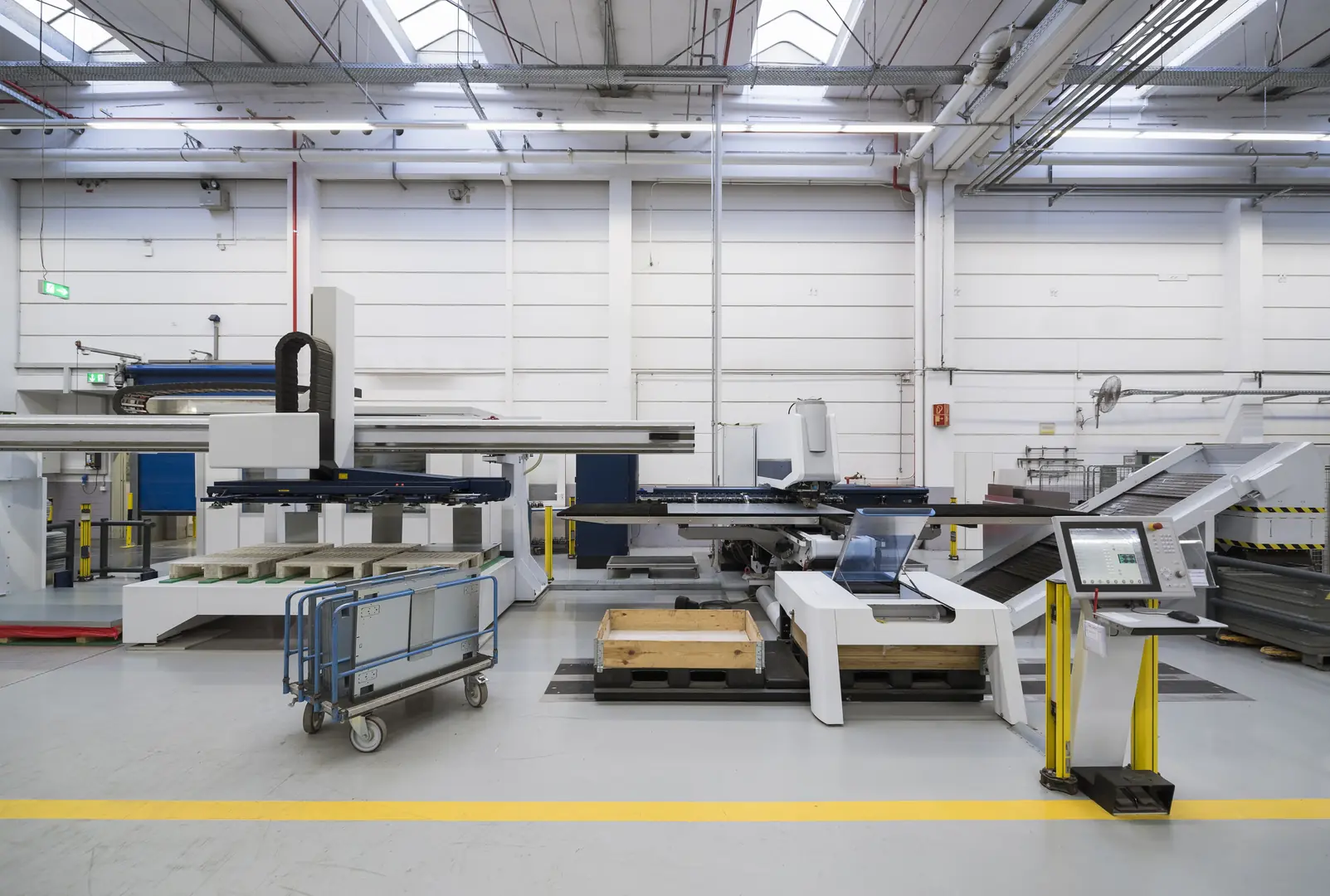
The biggest barrier to productivity I've seen in the metal processing industry isn't machine speed—it's workflow inefficiency. The old way involved an engineer creating a 3D drawing, sending it to the shop floor, and having a skilled operator interpret and program it into the machine. This process is slow and requires highly trained personnel. We saw this as the primary obstacle to agility. That's why we pioneered our No-CAD System. This innovation completely redefines the workflow for standard tube processing. Instead of relying on complex drawings, an operator can walk up to our machine, enter the required parameters—like length, hole diameter, and position—directly into the interface, and press "start." The machine handles the rest. This simple yet powerful change reduces on-site training from a standard 15 days to just one day. It empowers our clients to be more responsive, eliminate programming bottlenecks, and get straight to what matters: high-speed, high-quality cutting.
How Do You Ensure Precision and Quality in Laser Cutting Outcomes?
Are you getting inconsistent cuts and high reject rates? Poor quality control undermines the benefits of laser technology. Precision isn't automatic; it must be managed and optimized.
Ensuring precision involves using a high-quality machine, calibrating the focus and nozzle, and using the correct assist gas. Real-time monitoring and automated adjustments in modern systems are key to maintaining tight tolerances and achieving a smooth, burr-free finish on every single part.
In high-speed manufacturing, quality and efficiency are two sides of the same coin. You can't have one without the other. Achieving consistent, high-quality results comes down to controlling the key variables and leveraging smart technology. But for me, true quality goes beyond just a clean cut; it extends to how intelligently you use your resources. This is where our Zero-Waste Tail Material innovation comes in. In traditional tube cutting, the final segment of the tube held by the rear chuck—known as the tail material—is often discarded as scrap. It can be a significant source of waste. We redesigned the cutting logic. Our machines can advance the rear chuck forward through the front chuck, allowing the laser to cut the entire length of the tube. This simple change completely eliminates tail material waste. This not only saves our clients significant money on raw materials but also demonstrates a higher level of process control and a commitment to sustainable, efficient manufacturing. It’s a perfect example of how innovative engineering can boost both precision and profitability.
How Can You Maintain and Optimize Your Laser Cutting Equipment?
Is unexpected downtime killing your productivity and profitability? Neglecting maintenance leads to costly repairs and missed deadlines. Proactive care is essential for peak performance and equipment longevity.
Regular maintenance includes cleaning optics, checking the nozzle and gas delivery system, and inspecting the machine's mechanical components. Optimization involves periodically reviewing cutting parameters and leveraging the machine's smart diagnostics to prevent issues before they occur, ensuring consistent high-speed operation.
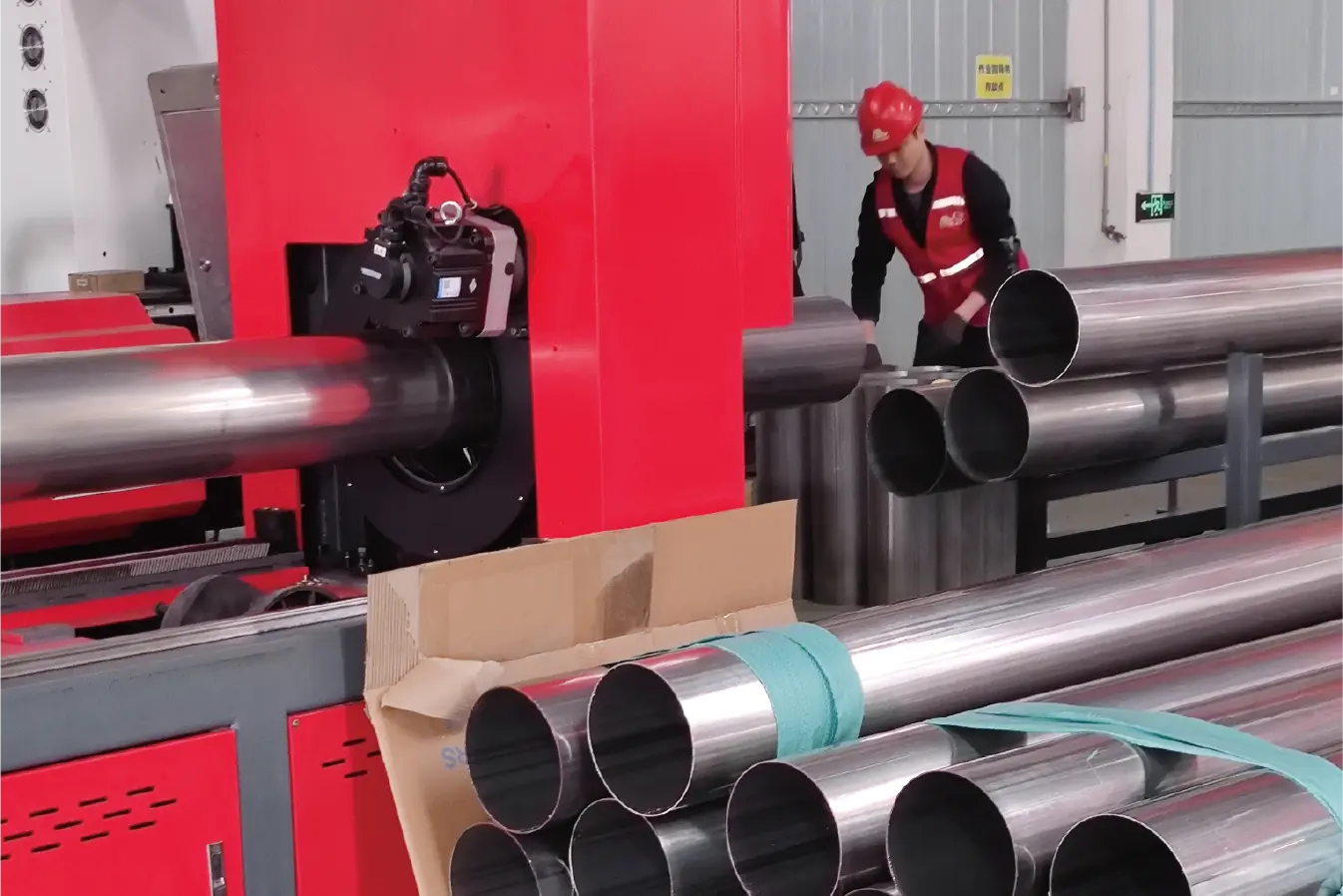
A high-performance machine is like a race car—it needs regular tune-ups to stay on top of its game. The good news is that modern machines, like the ones we build at MZBNL, are designed for easy maintenance. Smart, digitalized systems often alert you to potential issues before they become serious problems. However, a disciplined, proactive approach from your team is still crucial. I always advise my clients to implement a simple maintenance schedule to ensure nothing gets overlooked.
- Daily Checks: Inspect the cutting nozzle for wear and debris. Clean the protective lens to ensure the laser path is clear. Check assist gas pressures.
- Weekly Checks: Clean dust and debris from inside the machine enclosure and check the lubrication levels for all moving parts.
- Monthly Checks: Inspect the water chiller and filters to ensure the laser source is being cooled effectively. Check the tension and condition of drive belts.
By following a simple routine, you ensure your equipment runs reliably at its maximum speed and precision day in and day out. This discipline is the foundation of a truly optimized, high-speed production environment.
Conclusion
Mastering high-speed steel tube laser cutting is about integrating fundamentals with innovation. By focusing on proper preparation, streamlined execution, and smart technology like our No-CAD, Front-Feeding, and Zero-Waste systems, you can transform your operation, boosting efficiency, quality, and your competitive edge in the market.
Have Questions or Need More Information?
Get in touch with us for personalized assistance and expert advice.


 English
  Русский
  Türkçe