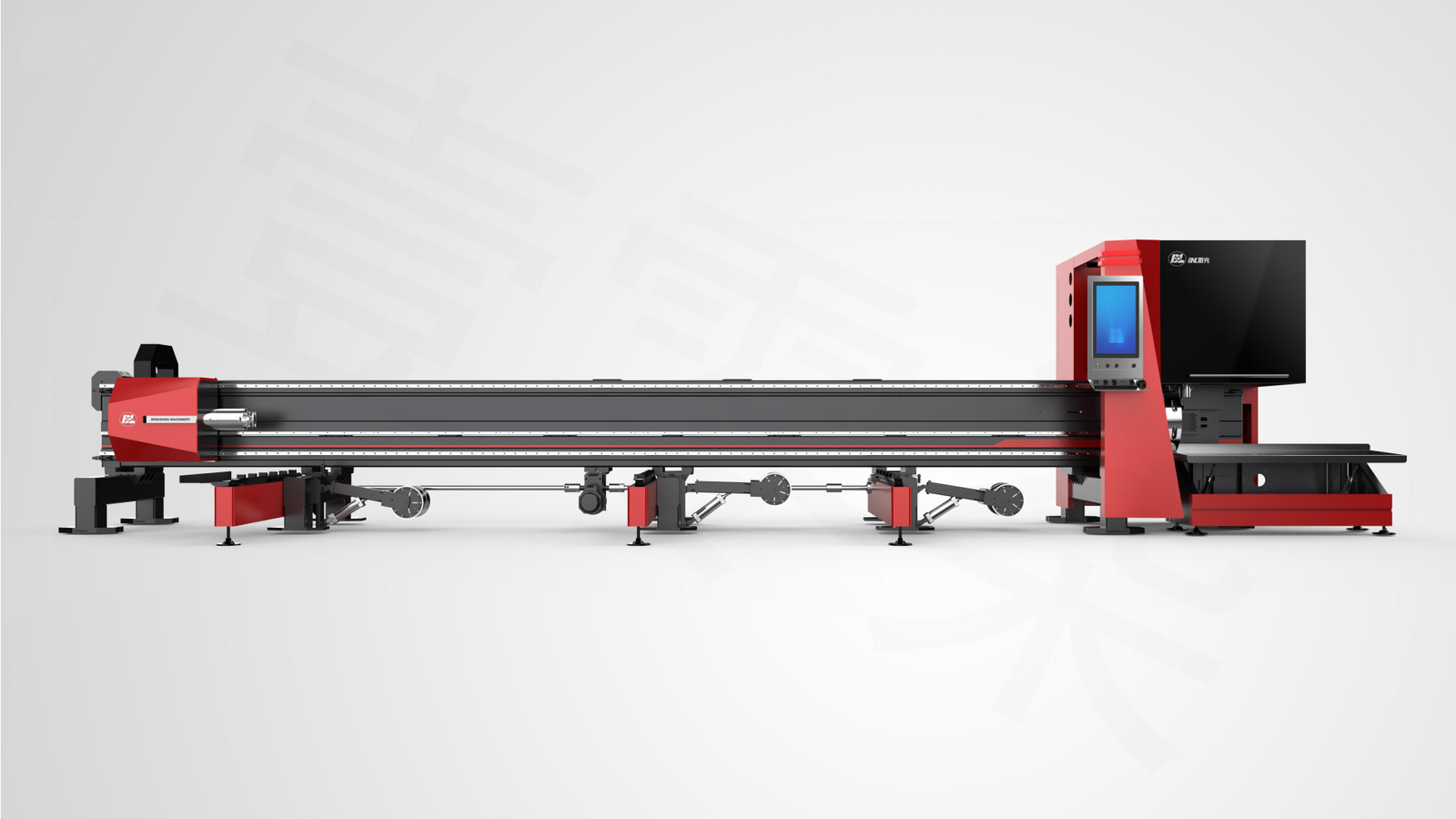
How to Choose Fiber Laser Cutter: B2B Buyer's Guide
Choosing a new fiber laser cutter[^1] is a major decision. A wrong choice leads to wasted capital and production bottlenecks. A suitable machine, however, can transform your entire operation.
To choose the right fiber laser cutter, you must align your specific production needs—materials, thickness, and volume—with the machine's features, evaluate the total cost of ownership beyond the price tag, and verify the vendor’s reputation for support and training to ensure a profitable long-term investment.
As the General Manager of MZBNL, I've spoken with thousands of business owners and plant managers since 2010. I’ve seen firsthand how the right equipment can unlock growth and how the wrong one can become a very expensive problem. This guide is built on that experience. It's a simple, five-step framework to help you make an informed, confident decision for your company's future. Let’s walk through it together.
Step 1: How do you identify your specific cutting needs?
Unclear requirements lead to buying the wrong machine. You might overspend on unneeded power or underspend and face immediate limitations. So, defining your needs is the critical first step.
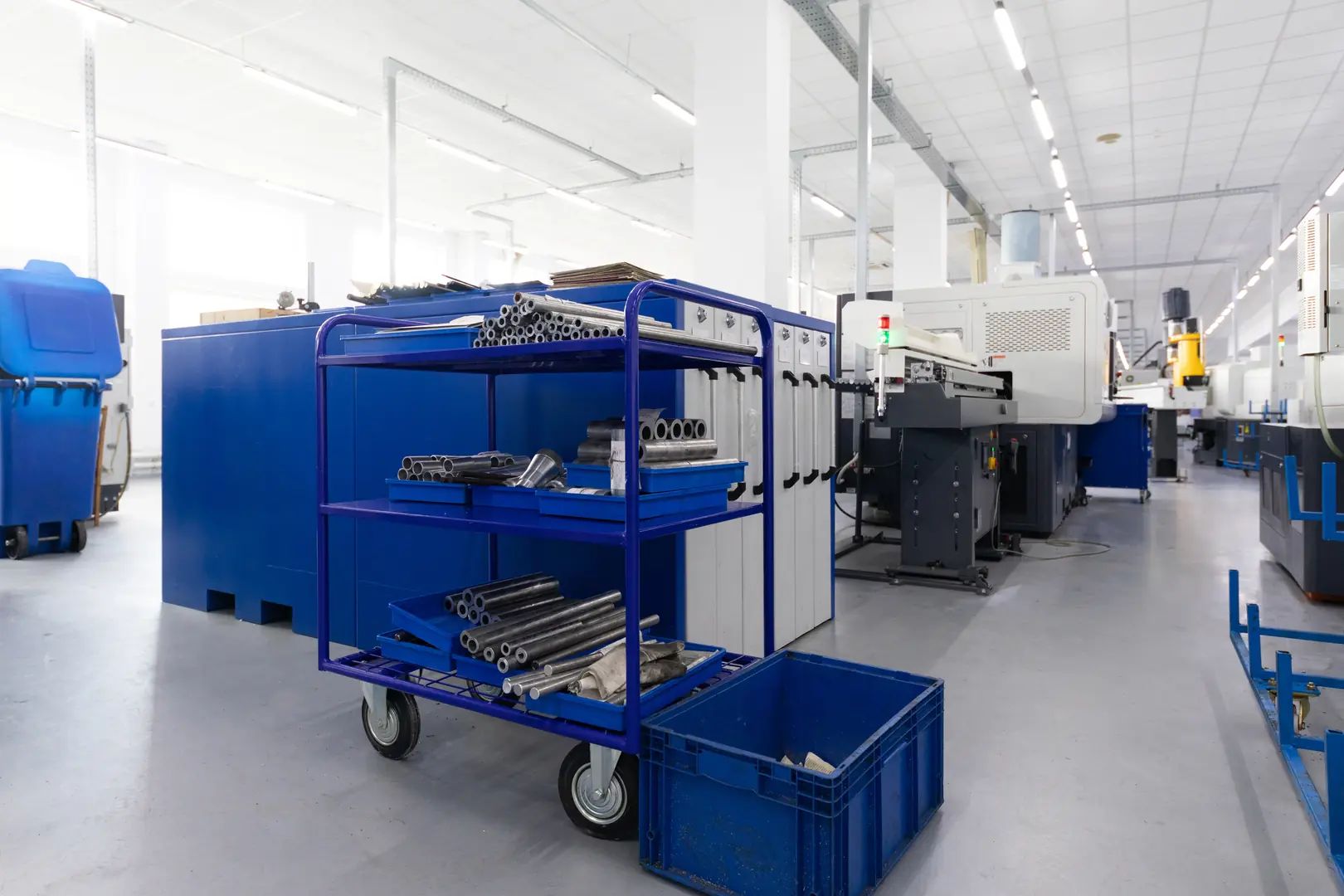
First, document the types and thicknesses of metals you process, like stainless steel or aluminum. Then, calculate your required daily production volume and precision tolerances. This data forms the foundation for selecting a machine that precisely fits your operational reality and maximizes your return on investment.
To dive deeper, you must get specific. I always advise clients to create a simple "needs matrix." It’s not complicated. Just a simple table can make all the difference.
Define Your Materials and Dimensions
Start with the basics.
- Material Types: Are you cutting mild steel, stainless steel, aluminum, brass, or copper? Each metal reacts differently to the laser.
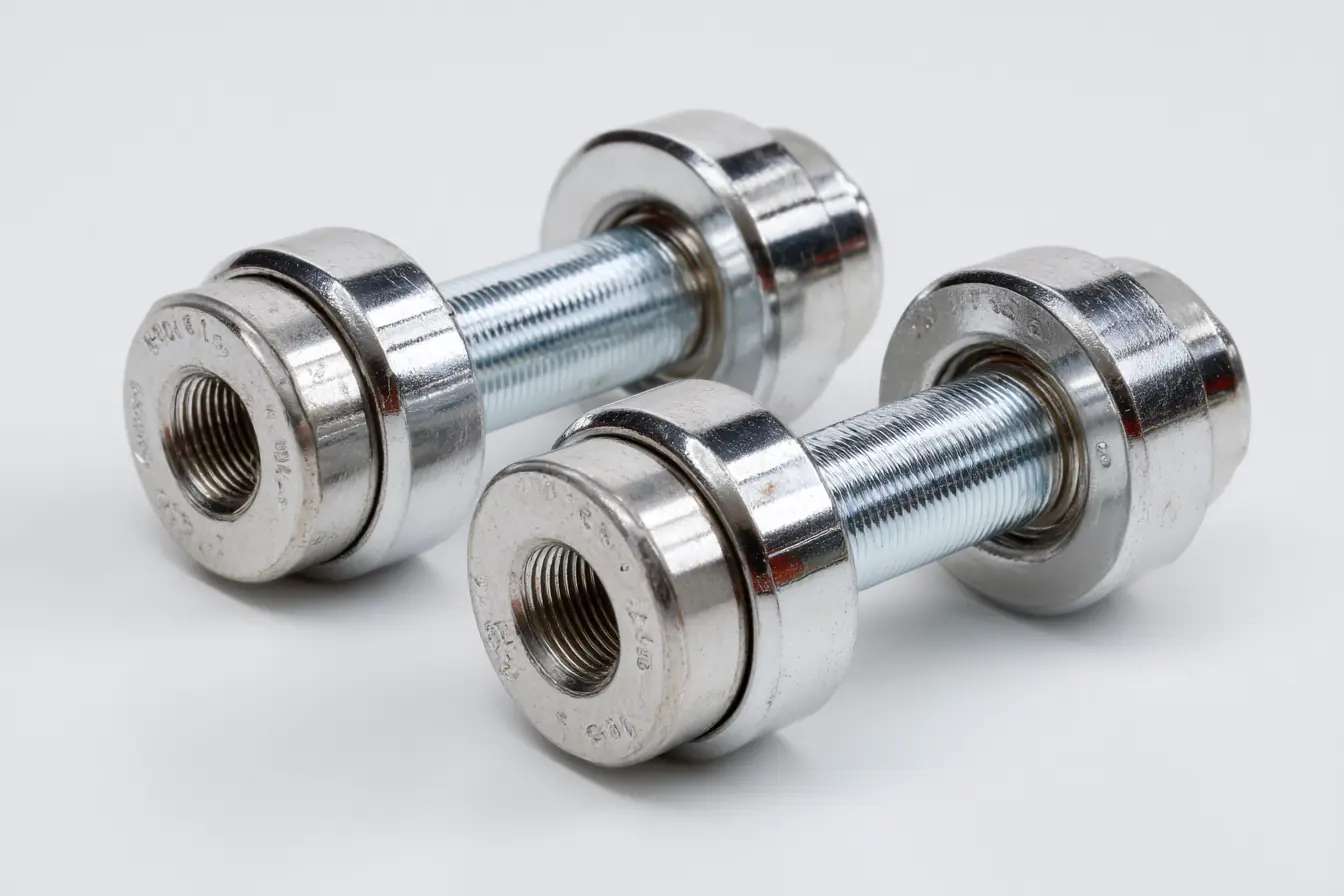
- Material Shapes: Are you working with round tubes, square tubes, rectangular profiles, or angle iron? The machine's chuck and support system[^2] must handle your specific profiles.
- Maximum Thickness: What is the thickest material you will cut regularly? This directly determines the required laser power (e.g., 1.5kW, 3kW, 6kW). It's wise to plan for slightly more power than you need today to accommodate future projects.
Quantify Your Production Volume
Next, think about speed and capacity. How many parts do you need to produce per shift? This calculation helps you evaluate features like automatic loading and unloading[^3], which can dramatically increase throughput. I remember a client in the automotive parts sector who initially overlooked this. They bought a machine with great cutting quality but manual loading. Within six months, their orders grew, and the machine's loading time became their biggest bottleneck. We helped them upgrade to an automated system, but planning for it from the start would have saved them time and money.
Step 2: How do you evaluate different fiber laser cutter features?
The market is full of complex features. It's easy to get lost in technical jargon. But focusing on features that solve your biggest operational pains is the key to success.
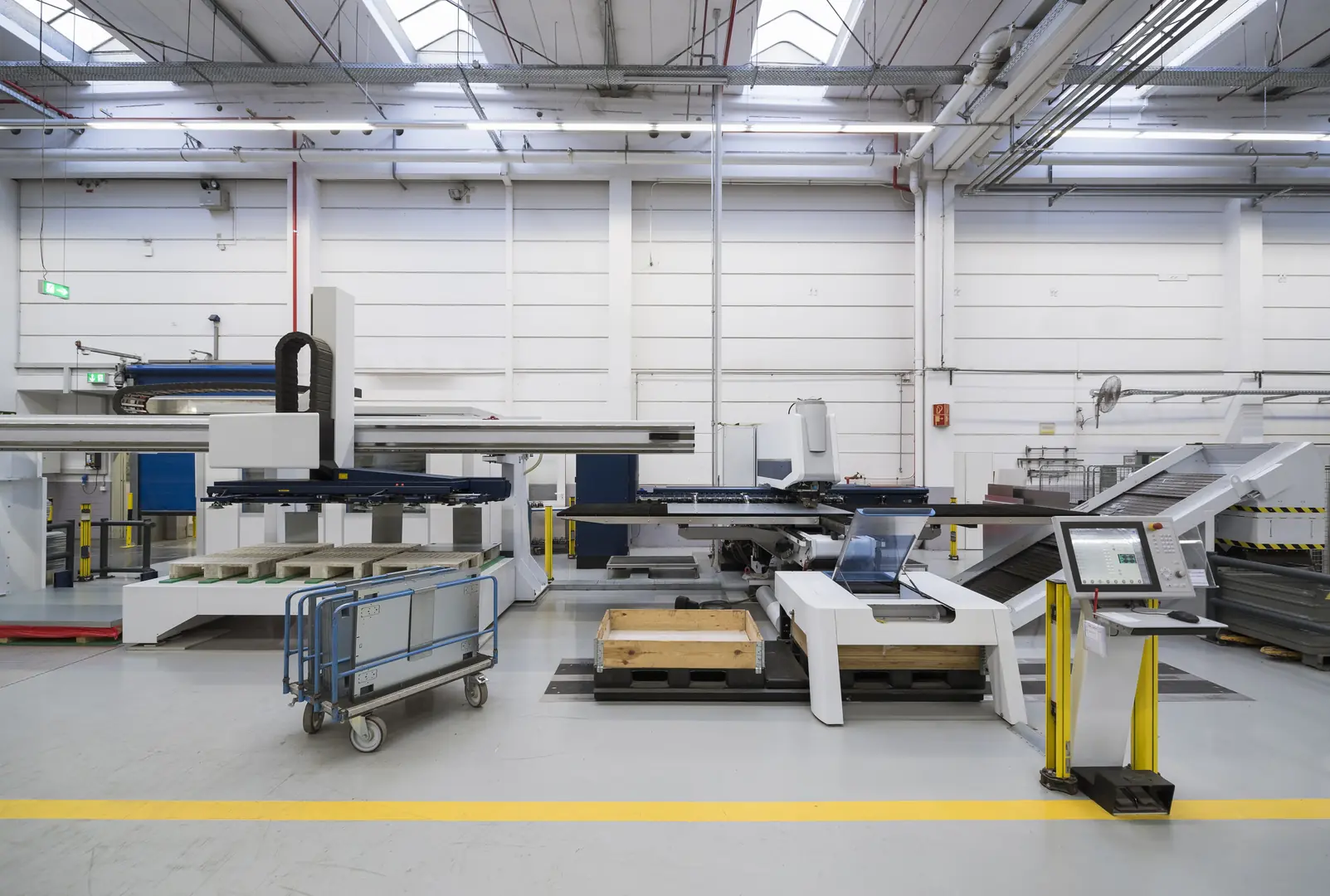
Focus on features that directly impact your bottom line: operational simplicity to reduce labor costs, material utilization to cut waste, and automation capabilities to increase throughput. These are far more important than raw power or speed figures alone, as they deliver tangible daily savings.
At MZBNL, we design technology with the operator in mind. We believe powerful technology should be accessible, not intimidating. That’s why we’ve focused our R&D on solving the most common and costly problems in tube processing.
Simplicity and Labor Costs
The biggest challenge for many factories today is finding and retaining skilled labor. Complex machines require weeks of training, and if that trained operator leaves, your production stops.
- Our Solution: The No-CAD System. We designed a system where an operator doesn't need any CAD software experience. They can select pre-programmed shapes, input dimensions directly on the screen, and start cutting. We’ve successfully reduced the training time from several weeks to a single day. This makes our clients more agile and less dependent on a few highly skilled individuals.
Material Efficiency and Waste
Material is one of the largest costs in manufacturing. Every inch of wasted tube is money lost.
- Our Solution: Zero-Waste Tail Material Innovation. Traditional cutters often leave a significant, unusable piece of the tube at the end. Our patented chuck and feeding design[^4] allows for cutting the final piece with minimal waste, often saving 5-10% on material costs over the machine's lifetime. For a high-volume shop, this translates to tens of thousands of dollars in savings each year.
Future-Proofing and Agility
Your business will grow, and your production needs will change. Your investment should be able to adapt.
- Our Solution: The Front-Feeding Mechanism. This feature allows for flexible feeding of different tube profiles without complex adjustments, enabling your team to switch between jobs quickly. It ensures your machine can handle not just today's work, but also the new opportunities you'll have tomorrow.
Step 3: How do you consider the total cost of ownership?
The initial purchase price is just one part of the equation. Focusing only on the sticker price is a common mistake. A cheaper machine can easily become more expensive over time.
Calculate the Total Cost of Ownership (TCO) by adding the initial price to ongoing operational costs. This includes consumables, energy, maintenance, labor, and the financial impact of material waste. A machine with a higher initial price but lower operational costs often provides a better ROI.
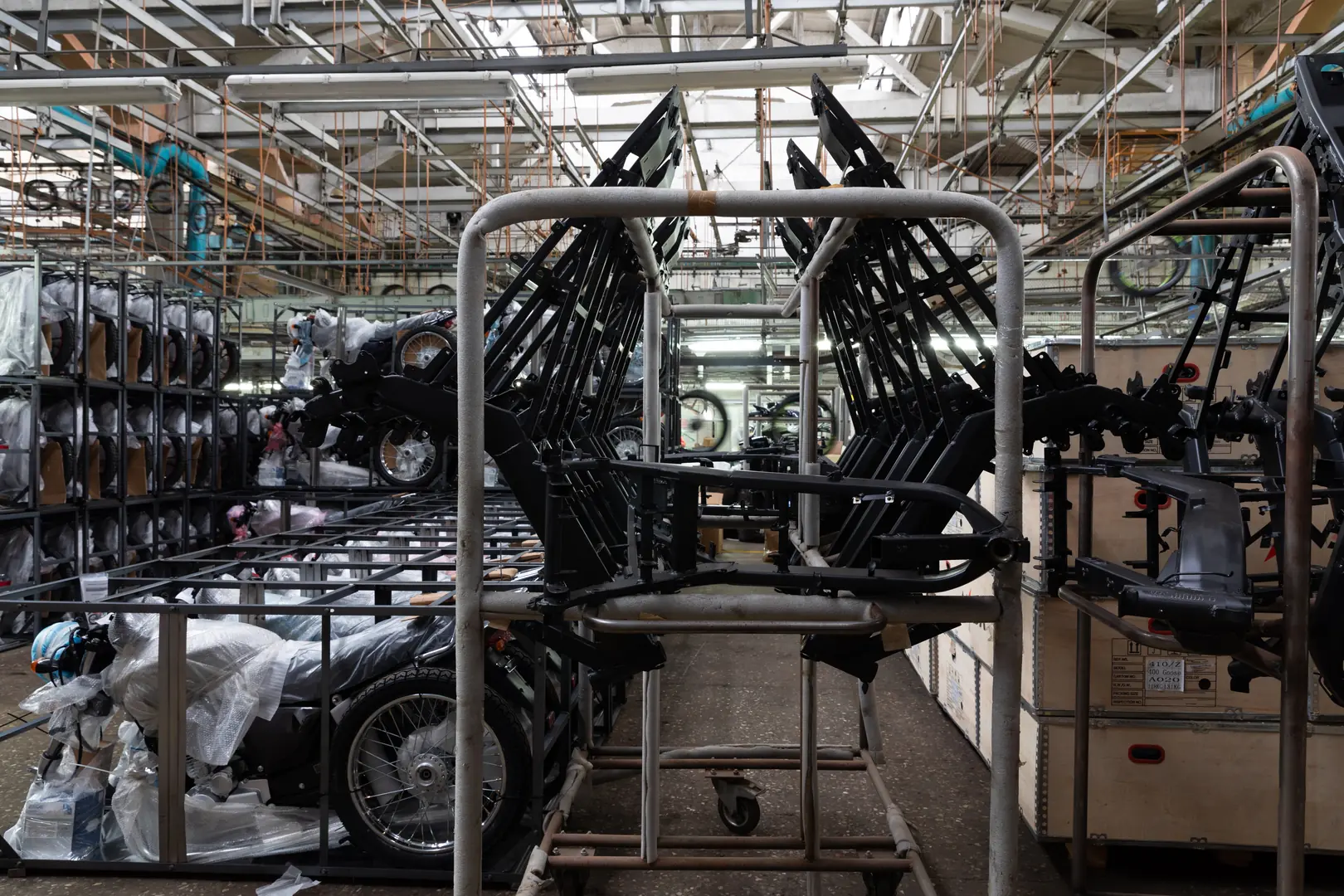
To dive deeper, let's break down the hidden costs that are often overlooked. A true evaluation of your investment must account for the daily expenses and savings that a machine generates. I encourage our prospective clients to think about a three-year or five-year operational window.
Beyond the Purchase Price
Here’s a simple breakdown of what to consider when calculating TCO:
- Initial Investment: The price of the machine itself.
- Labor Costs: How much time and money will you spend on training and operation? A machine like ours with a one-day training cycle offers significant savings here compared to a machine that requires a month of training.
- Material Costs: How efficient is the machine? A system with our Zero-Waste innovation can directly reduce your raw material budget.
- Consumables & Energy: Factor in the cost of nozzles, protective lenses, and electricity. Modern fiber lasers are highly energy-efficient, but it's still a significant operational expense.
- Maintenance & Downtime: What is the cost of routine maintenance? More importantly, what is the cost to your business if the machine is down for repairs? This is where vendor support becomes critical.
Thinking in terms of TCO shifts your perspective from buying a piece of equipment to making a strategic investment in your company's productivity and profitability.
Step 4: How do you assess the vendor's reputation and support?
A machine is only as good as the company that stands behind it. When you buy a fiber laser cutter, you are not just buying steel and electronics; you are starting a long-term partnership.
Assess a vendor by researching their history, reading case studies, and asking for client references. Critically evaluate their after-sales support structure, including technician availability, spare parts inventory, and the quality of their training programs. A strong partner ensures your machine runs reliably for years.
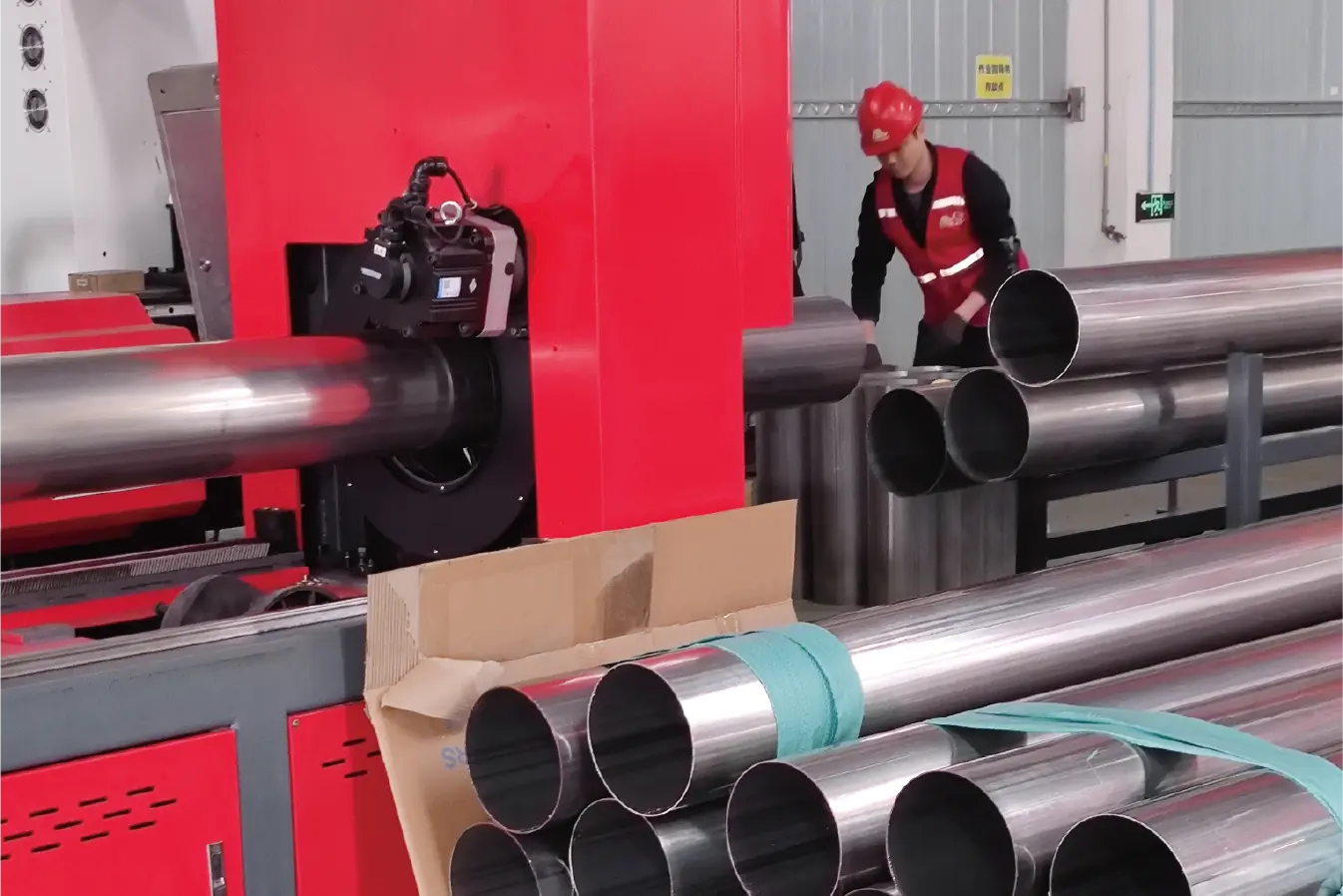
To dive deeper, this step is about trust and reliability. I am proud that MZBNL has served over 4,000 clients globally since 2010. Our reputation is built on more than just our technology; it's built on our commitment to our customers' success.
Key Areas to Investigate
When you evaluate a potential partner, look for concrete evidence of their commitment.
- Certifications and Patents: Do they have internationally recognized certifications like ISO 9001[^5]? This demonstrates a commitment to quality management. We hold over 30 patents, which shows our dedication to innovation and solving real-world problems.
- Installation and Training: Does the vendor provide on-site installation and comprehensive training? Ask them to detail what their training program covers. As I mentioned, our goal is to get your team operating the machine confidently in a single day.
- After-Sales Service: What happens when you have a problem? How quickly can they get a technician to you? Do they keep spare parts in stock locally? Downtime is expensive, and a vendor's ability to respond quickly is a critical part of the value they provide.
- Client Base: Ask who their clients are, especially in your industry. A vendor with a strong presence in furniture manufacturing, for example, will understand the unique challenges and opportunities you face.
Your vendor should be a resource you can call on not just for repairs, but for advice on how to optimize your production process.
Step 5: How do you make an informed decision based on your criteria?
You've done the research. Now it's time to bring it all together. This final step is about making a logical, data-driven choice, not an emotional one.
Create a simple scorecard to compare your top 2-3 machine options. Rate each one against your specific needs, key features, total cost of ownership, and vendor support. The machine with the highest score is your most logical and defensible choice for long-term success.
To dive deeper, this final step organizes your thoughts and prevents you from being swayed by a single impressive feature or a low price. The scorecard method provides clarity.
Building Your Decision Scorecard
Your scorecard can be a simple spreadsheet. List your top vendors or machines in the columns. In the rows, list your most important criteria. Here are some examples:
- Technical Fit (Weight: 30%): Does the laser power match your thickness needs? Can the chuck handle all your tube profiles?
- Operational Impact (Weight: 30%): How easy is it to operate? How much material waste will it save? Does it improve workflow?
- Total Cost of Ownership (Weight: 25%): What is the projected 5-year cost? How does this compare to the projected savings in labor and materials?
- Vendor Partnership (Weight: 15%): How confident are you in their support, training, and long-term viability?
Assign a score from 1 to 5 for each category, multiply by the weight, and sum the results. This isn't a perfect science, but it forces you to consider every factor systematically. It transforms a complex decision into a clear, comparative analysis. By the end of this process, you won't just feel like you have the right machine; you will know it, backed by your own research and data.
Conclusion
Choosing the right fiber laser cutter is about matching technology to your specific operational needs. By identifying your requirements, focusing on value-driving features, calculating the true total cost, and partnering with a reliable vendor, you can ensure your investment drives efficiency, profitability, and growth for years to come.
Have Questions or Need More Information?
Get in touch with us for personalized assistance and expert advice.
 English
  Русский
  Türkçe