
Doğru Lazer Kesim Makinesi Seçimi: Çeşitli Türlere, Özelliklere ve Uygulamalara Derinlemesine Bakış
Production is slow and material costs are rising. The wrong machine choice can cripple your business. We understand this challenge because we have engineered the solution for over a decade.
Choosing the right laser cutting machine means aligning its capabilities with your specific business needs. Focus on features that boost efficiency, like front-feeding systems, and reduce costs, like zero-waste tail material innovations. Prioritize machines that simplify operations to overcome skill shortages and ensure rapid ROI.
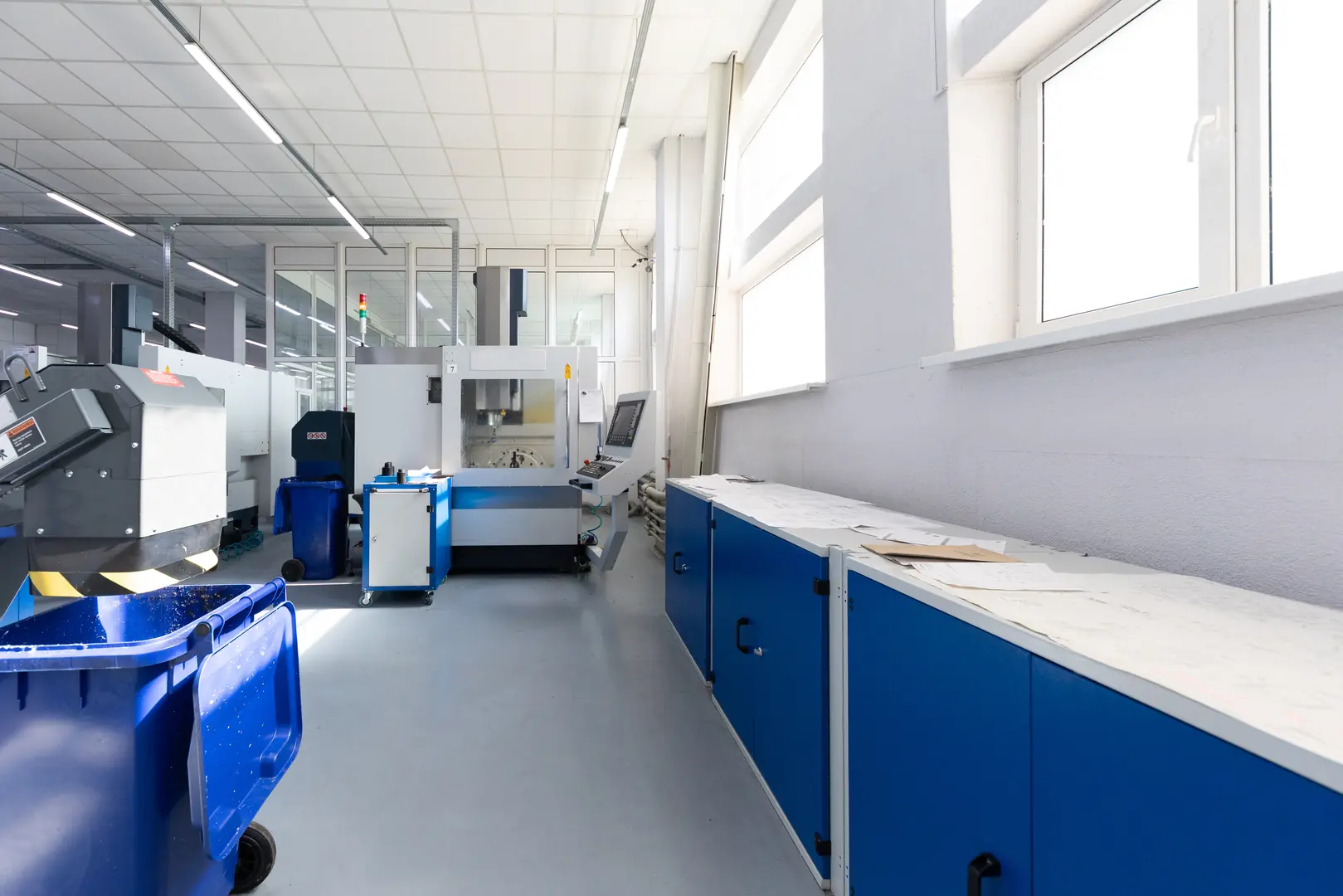
Selecting a new laser cutter is more than a purchase; it's a strategic investment in your company's future. It directly impacts your production efficiency, cost management, and competitive position. As the General Manager of MZBNL, I've spoken with thousands of plant managers and business owners. I've seen firsthand how the right equipment can transform an operation. Let's walk through how to make the best choice for your factory.
What is the History of Laser Cutting Technology?
Old cutting methods were slow and imprecise. This created waste and limited design possibilities. Laser technology changed everything by offering incredible speed and accuracy for manufacturers.
Laser cutting technology evolved from bulky, complex CO2 systems to highly efficient and versatile fiber lasers. This evolution has democratized precision manufacturing, making advanced capabilities accessible to more industries and reducing operational complexity for businesses globally.
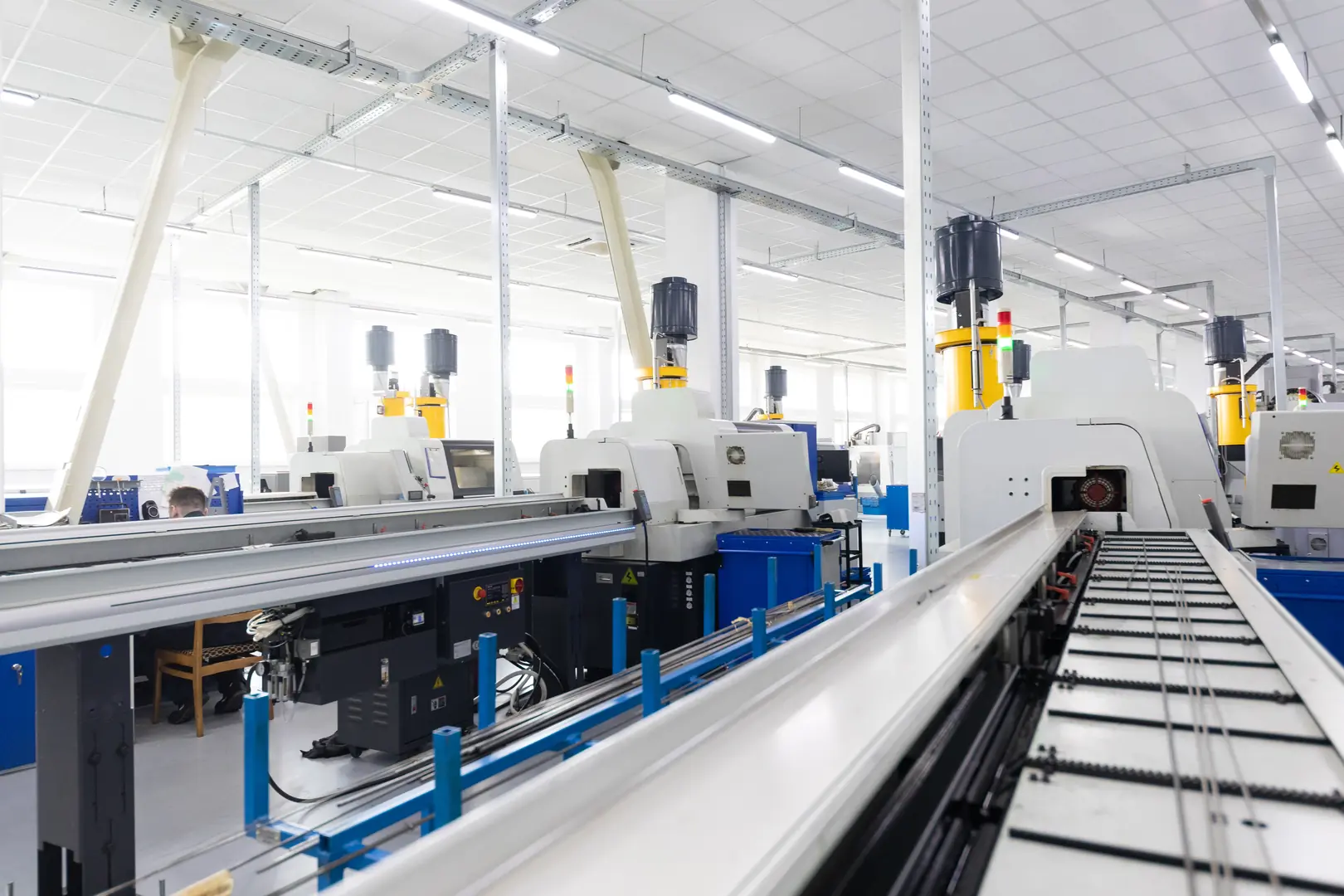
When I first entered this industry, CO2 lasers were the standard. They were powerful but required constant maintenance and highly skilled technicians to operate and align the mirrors. I remember visiting a factory 15 years ago where a single machine required a dedicated operator with months of training. This created a huge barrier for smaller businesses. The arrival of fiber laser technology was a revolution. Fiber lasers are more energy-efficient, require less maintenance, and can cut a wider range of materials, especially reflective metals. This shift made advanced cutting technology more accessible. At MZBNL, we saw this as an opportunity. Our mission became not just to build powerful machines, but to make them incredibly easy to use. We wanted to eliminate the need for weeks of training. This philosophy is at the core of all our innovations, from our control systems to our automated processes. We believe powerful technology should empower your team, not create bottlenecks.
What Are the Current Market Trends in Laser Cutting Machines?
The market is full of options. It's hard to know what's a gimmick and what's a real advantage. Falling behind on key trends means losing your competitive edge.
Current market trends focus on automation, efficiency, and sustainability. Key innovations include integrated feeding systems for non-stop production, software that simplifies the design-to-cut process, and features that minimize material waste, directly addressing modern manufacturing cost pressures.
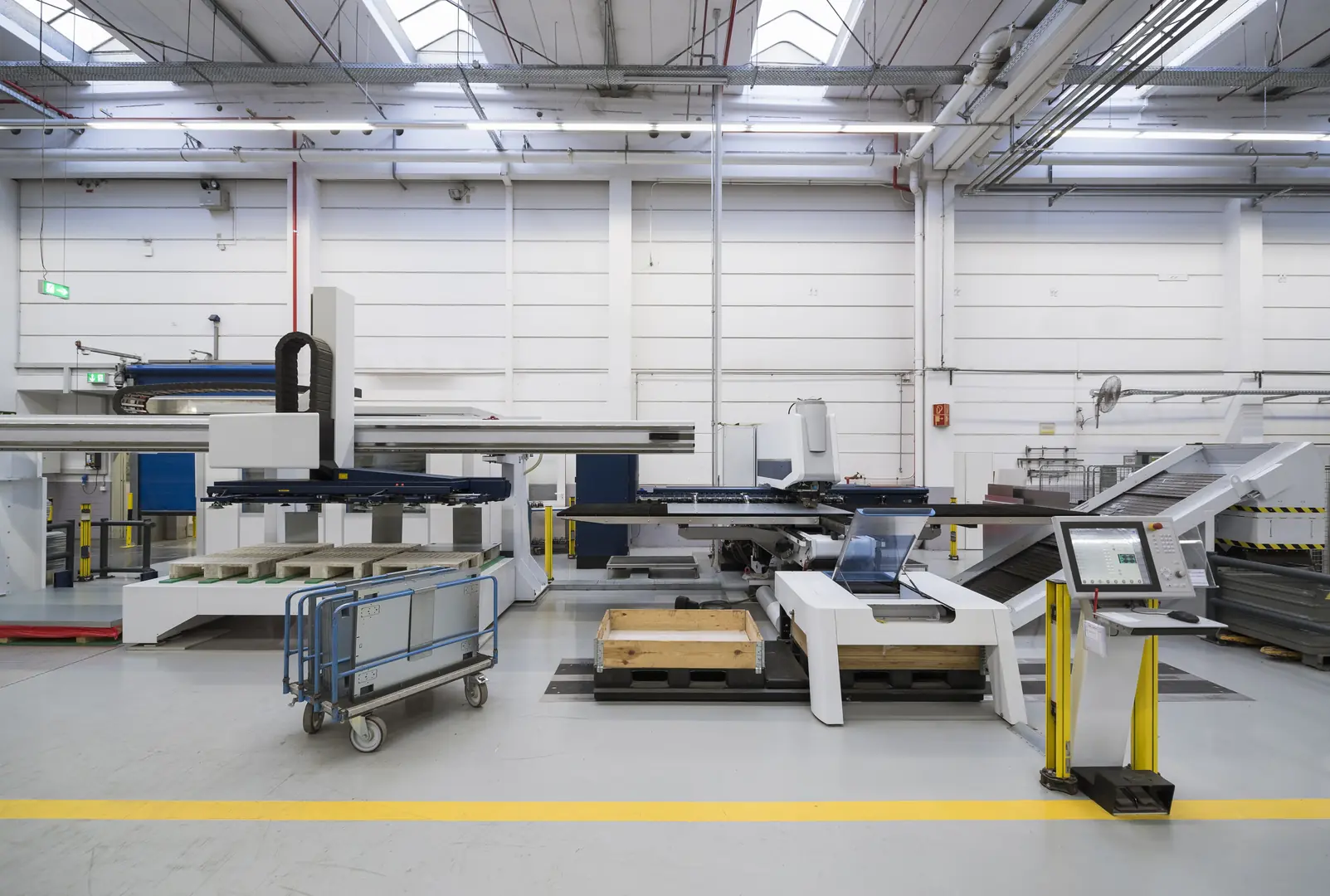
In my experience, the most impactful trends are those that solve real-world problems on the factory floor. It's not just about cutting faster; it's about making the entire workflow smarter and more profitable. Here are the three trends we have focused on perfecting at MZBNL.
Trend 1: Full-Process Automation
The biggest drain on productivity is often the time between cuts. Manually loading long tubes or heavy sheets creates downtime. That’s why we developed our Front-Feeding innovation. It allows for continuous processing, dramatically enhancing efficiency. It’s about creating a smooth, uninterrupted flow from raw material to finished part.
Trend 2: Operational Simplicity
The shortage of skilled labor is a major challenge. Businesses cannot afford to have a machine sit idle while they search for a highly trained operator. Our No-CAD system tackles this head-on. It simplifies the entire process so that an operator can be fully trained in a single day, not weeks. This makes your production line more agile and resilient.
Trend 3: Extreme Material Efficiency
With material costs constantly rising, every inch of waste hurts your bottom line. The tail material left at the end of a metal tube was a long-accepted source of waste. We refused to accept that. Our Sıfır Atık Kuyruk Malzemesi[^1] innovation was a breakthrough, allowing our clients to maximize their material usage and directly boost their profitability.
What Are the Common Challenges in Selecting a Laser Cutting Machine?
You need a new machine, but the choices are overwhelming. A wrong decision costs money and time. You fear making a mistake that impacts your bottom line for years.
The most common challenges in selecting a laser cutter are a high skills gap for operators, significant material waste, and production bottlenecks. Decision-makers often struggle to find a single machine that solves all three without a massive capital investment or complex integration.
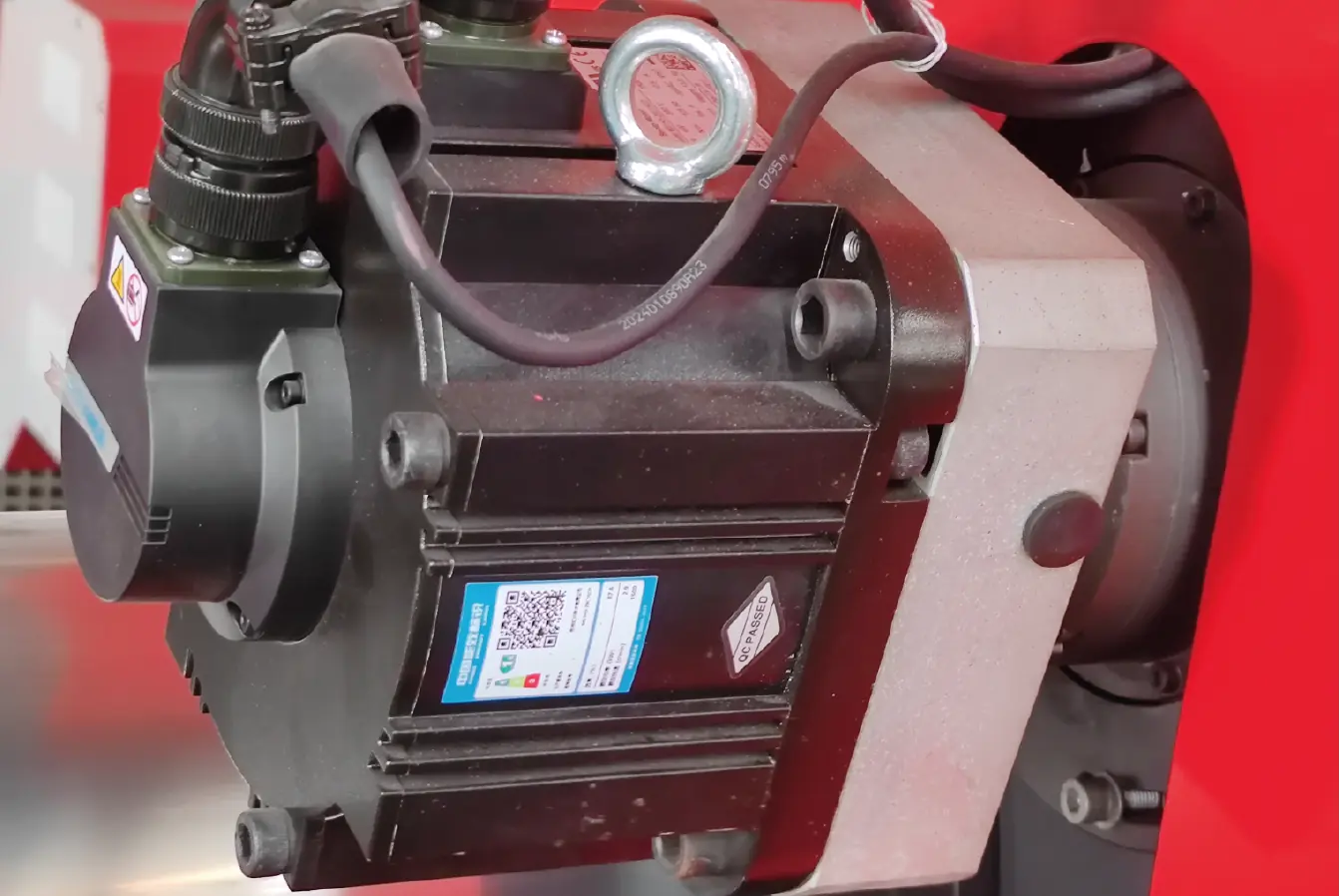
I speak with business owners every day, and their concerns are almost always the same. They are under pressure to increase output while controlling costs. The equipment they choose is central to solving this puzzle. The first challenge is the skills gap. Many high-end machines require complex CAD/CAM knowledge, and finding and retaining operators with these skills is difficult and expensive. This is why we invested heavily in our intuitive No-CAD system. The second major challenge is material waste. For a tube processing factory, tail material waste can add up to thousands of dollars in losses each month. Our Zero-Waste feature provides an immediate and measurable return on investment by turning that waste back into profit. Finally, there's the issue of workflow inefficiency. A fast machine is useless if it's waiting for materials. Manual loading and unloading create bottlenecks that kill productivity. Our Front-Feeding system[^2] was designed specifically to eliminate this downtime and keep the machine running.
What Are the Best Strategies for Choosing the Right Laser Cutting Machine?
You need a clear plan to choose a machine. Without one, you rely on guesswork or a sales pitch. This can lead to buying a machine that doesn't fit your real-world needs.
The best strategy is to map machine features directly to your biggest operational pain points. Analyze your material flow, operator skill level, and waste percentage. Prioritize solutions that offer quantifiable ROI in these specific areas, not just raw power or speed.
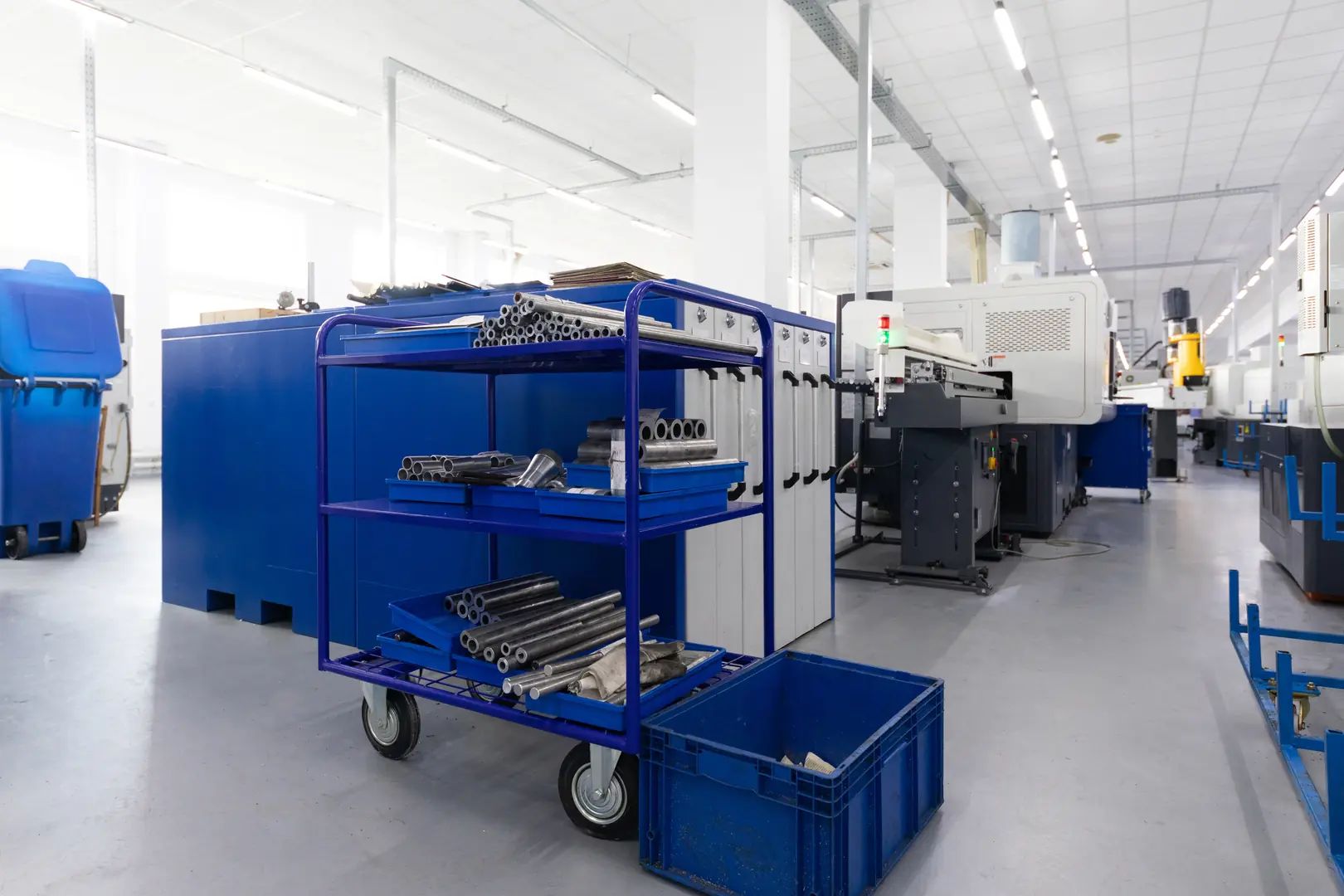
Don't start by looking at machine catalogs. Start by looking at your own operation. I always advise potential clients to follow a simple, three-step process.
Step 1: Audit Your Pains
First, identify your top three biggest problems. Is it the high cost of skilled labor? Is it the amount of scrap metal you generate? Is it the amount of time your current machines are idle? Be specific and assign a dollar value to these problems if you can. For example, calculate how much money you lose to tail material waste each year.
Step 2: Match Features to Pains
Next, look for machine features that directly solve those specific problems.
- Problem: High operator training costs. Solution: Look for a machine with a simplified control system, like our No-CAD interface.
- Problem: Material waste. Solution: Demand a feature like our Zero-Waste Tail Material innovation.
- Problem: Production bottlenecks. Solution: Prioritize automation, such as a Front-Feeding system.
Step 3: Calculate the True ROI
Finally, look beyond the initial purchase price. A cheaper machine that doesn't solve your core problems is not a good investment. Calculate how quickly a machine with the right features will pay for itself through reduced labor costs, material savings, and increased output. A machine that saves you $5,000 a month in material waste pays back an extra $60,000 of its cost in the first year alone.
What Are My Technical Recommendations for Optimal Machine Performance?
You've narrowed your choices. Now you need to check the technical details. Overlooking key specs can lead to poor performance and maintenance headaches down the line.
For optimal performance, I recommend focusing on the laser source (fiber is best for versatility), the control system's ease of use, and the machine's structural stability. Also, verify the availability of features like automatic feeding and waste reduction for long-term efficiency.

When you're ready to talk specs, here is what I believe matters most for long-term success.
The Laser Source and Power
For most applications in furniture, automotive parts, or metal processing, a fiber laser is the clear choice. It's reliable, efficient, and excellent for cutting a variety of metals. The power you need depends on your material thickness, but don't just chase the highest number. A well-built 3kW machine can often outperform a poorly designed 6kW one.
Kontrol Sistemi
This is the brain of the machine, and it's where most companies fall short. A complex system creates a permanent dependency on highly skilled staff. This is why our No-CAD system is so important. It makes advanced manufacturing accessible to any worker, ensuring your production is never held hostage by a skills shortage. It's the single most important technical feature for ensuring operational agility.
Build Quality and Support
Look for a company with a proven track record. We are an ISO-certified[^3] company with over 30 patents for a reason. Our machines are built to last. But more than that, you are choosing a partner. With over 4,000 clients globally, we have a deep understanding of what it takes to succeed. We provide the service and support to ensure your investment continues to deliver value for years to come.
Sonuç
Choosing the right laser cutter is a strategic business decision. Focus on solving your core problems: skill gaps, inefficiency, and waste. The right technology, like our No-CAD and Zero-Waste systems, empowers your business to become more agile, profitable, and competitive in today's demanding market.
Sorularınız mı var veya daha fazla bilgiye mi ihtiyacınız var?
Kişiselleştirilmiş yardım ve uzman tavsiyesi için bizimle iletişime geçin.
 Türkçe
  English
  Русский